


The Shifting Political Landscape in South Texas: A Focus on the Rio Grande Valley GOP
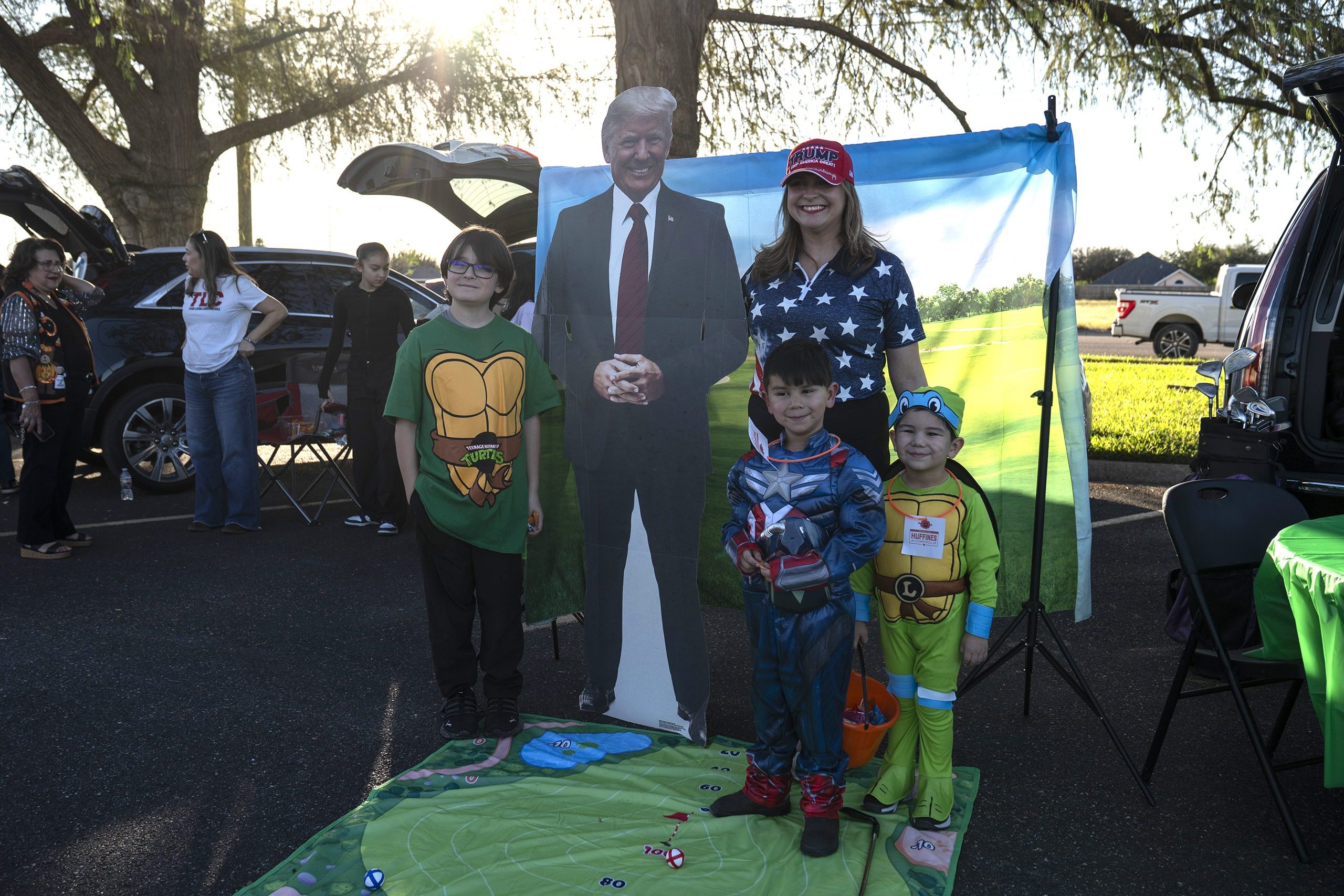
As South Texas gears up for the upcoming election year, the political dynamics within the Rio Grande Valley are evolving significantly. Just before Halloween, Alma Pérez, the field director for Texas Latino Conservatives, visited a local candy store in McAllen. Her goal was clear: find affordable candy for a community trunk-or-treat event hosted by the local Republican office. However, when faced with soaring prices, Pérez expressed her disappointment. “It’s outrageous for the typical family out there right now,” she remarked, highlighting the broader economic woes affecting many families in the region.
Economic Woes and Political Promises
The rising prices of basic goods serve as a reminder of the unmet promises made during President Donald Trump’s previous campaigns to tackle affordability. Pérez, like many others, grapples with the current economic climate that is shaping voter sentiments. Her participation in community events aims to reaffirm the Republican Party’s presence in this once solidly Democratic stronghold.
The backdrop of economic challenges resonates deeply amid political discourse in South Texas. With inflation reportedly easing, local activists like Pérez are doubling down on grassroots efforts to engage voters and elevate the Republican brand.
The Growing Influence of Young Republican Activists
In recent years, young activists such as Pérez and Jordan De La Garza have been pivotal in reshaping the Republican narrative within the region. De La Garza, now the president of the Hidalgo County Young Republicans, previously worked as the political director for Republican candidate Monica De La Cruz. He stands firm in the belief that Hispanics, who he describes as inherently conservative, are gradually shifting toward the Republican Party as they disengage from what they view as a radicalized Democratic agenda.
“Our outreach is not about pushing politics—it’s about fostering relationships,” De La Garza explained. His commitment to community engagement emphasizes the importance of talking to voters about their concerns in settings where they feel comfortable, such as local events.
Shifting Latino Vote: A New Outlook
One of the most striking changes in recent elections was Trump’s achievement in gaining nearly half of the Latino vote nationwide in 2024, a significant increase from previous years. Political analysts, like Mark Lopez of Pew Research, acknowledge this trend as potentially transformative, emphasizing that its permanence will depend largely on future candidates and the economic landscape.
The Rio Grande Valley’s electoral behavior shifted notably during the 2024 elections, marking a departure from traditional voting patterns. Enhanced Republican engagement in the area followed notable election results that saw Trump flip 14 of 28 border counties. The sustained efforts to connect with Latino voters are evident through events, rallies, and community initiatives designed to embed conservative values into the local zeitgeist.
Community Engagement and Future Outlook
Community-oriented events—like the trunk-or-treat—are vital for conservative outreach in the valley. Pérez articulates a strategy focused on normalizing the Republican presence by curating activities that are enjoyable and accessible to families. “We realized that the more we open the doors to the community, the more new people we would see,” she noted, underscoring the need for genuine interaction to alter perceptions of the party.
The challenges posed by economic conditions have not gone unnoticed among voters. Luis Valdez, a college student who participated in recent Republican events, voiced concerns about the administration’s economic promises. With many young voters now expressing disillusionment, Pérez and her team recognize the urgency of maintaining momentum within a changing political landscape.
Preparing for the 2026 Elections
As the 2026 elections approach, strategic planning is underway. The GOP aims to penetrate deeper into communities that previously held Democratic majorities. With changes in voter demographics leading to more Latinos reaching voting age, Pérez emphasizes the imperative of actively engaging new voters. "We need to have representation that reflects our concerns and aspirations," she stated.
Through grassroots efforts that include voter registration drives, social events, and face-to-face dialogues, the Republican Party is searching for ways to address logistical and economic concerns faced by residents—especially around the rising costs of living and inflation.
Conclusion
The Rio Grande Valley presents a unique case study of shifting political allegiances amid economic challenges. With a blend of community engagement and targeted outreach, Republican activists like Alma Pérez and Jordan De La Garza are working tirelessly to reshape the political narrative in South Texas. As the region prepares for the crucial 2026 elections, how effectively they can translate engagement into electoral success will be closely watched.
For those interested in further information about the evolving political landscape, consider checking out Pew Research and local news outlets focusing on Texas’s electoral shifts.
