


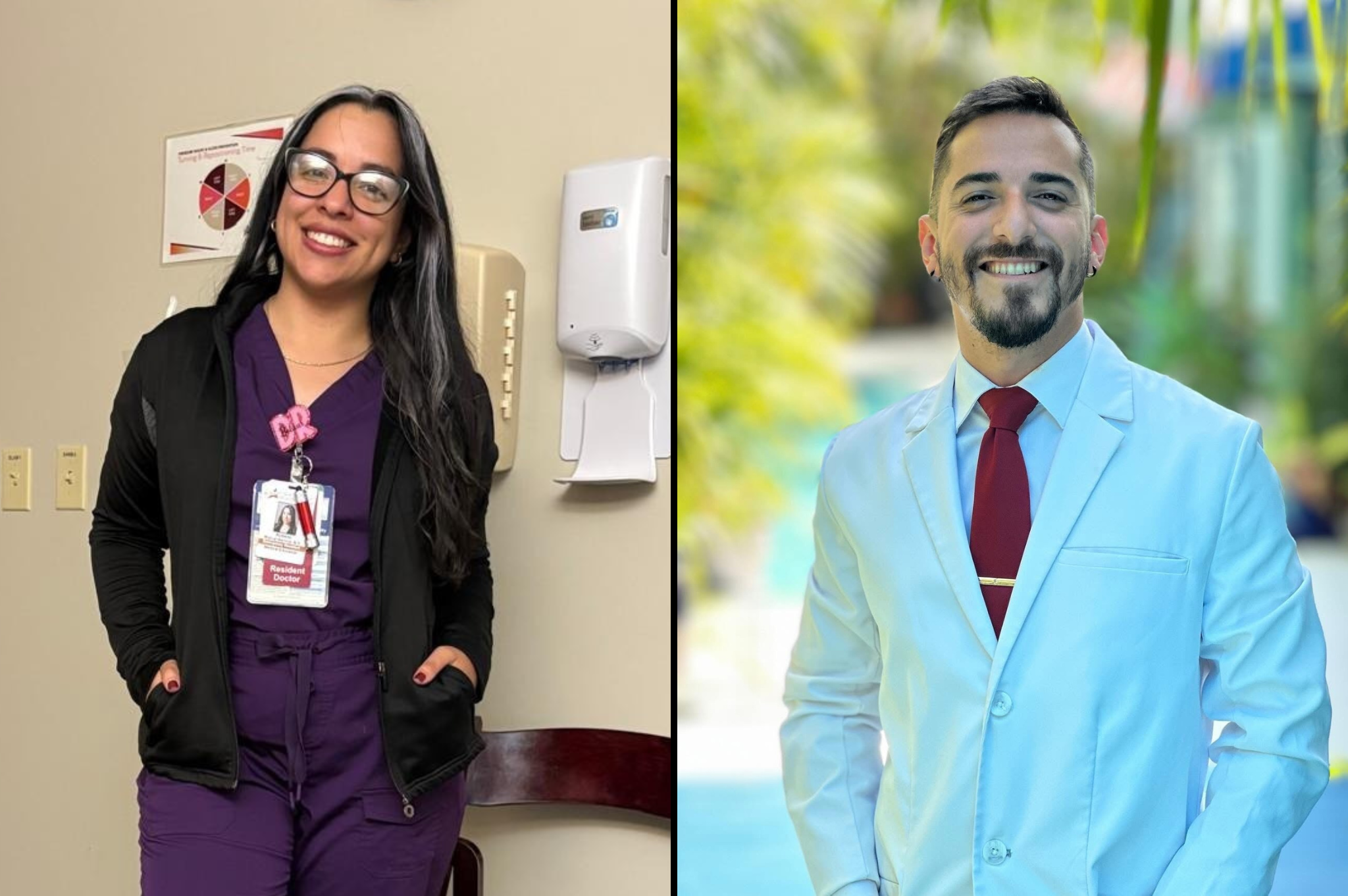
Immigration Detention of Texas Physicians: A Crisis in Healthcare Access
Two physicians providing essential medical services in one of Texas’ most underserved regions have been detained by immigration authorities, prompting widespread concern among lawmakers and medical organizations about the potential ramifications for local healthcare accessibility.
Overview of the Detained Physicians
On April 6, 2023, Dr. Ezequiel Velize, a Venezuelan physician, was apprehended at a U.S. Border Patrol checkpoint while traveling from the Rio Grande Valley to Houston. Just a few days later, Dr. Rubeliz “Bibi” Bolivar, also from Venezuela, was detained at McAllen International Airport on her way to a scheduled asylum interview in California, accompanied by her 5-year-old daughter.
Though both doctors had previously obtained legal status, the complexities related to their work permits have placed them in precarious situations. Dr. Velize’s work permit had expired due to a recent federal visa pause, which hindered his renewal process. As a result, he is currently being held in a migrant detention facility in McAllen.
Background on Dr. Ezequiel Velize
Dr. Velize is celebrated for his contributions to the community, having worked at Knapp Medical Center in Weslaco as a resident doctor through the UT Health RGV program. His dedication to patient care earned him the title of "best resident doctor" in 2025. With around nine years of experience in the U.S., he entered the country legally and has played a vital role in addressing healthcare gaps in the area.
Background on Dr. Rubeliz Bolivar
Dr. Bolivar is an emergency room physician affiliated with South Texas Health Systems (STHS), one of the largest hospital networks in the region. With a valid work permit ensuring her stay through 2030, she has built a life in the U.S. over the past decade. On the day of her detainment, Dr. Bolivar and her daughter were on their way to meet her husband in California for an asylum interview.
Political and Professional Reactions
The detentions have sparked outrage from various stakeholders, with U.S. Rep. Joaquin Castro (D-San Antonio) leading the charge against what he describes as the targeting of healthcare professionals who serve vulnerable populations. In his remarks, Castro emphasized that the actions of U.S. Immigration and Customs Enforcement (ICE) are detrimental to the communities they aim to protect.
Concerns Raised by Local Leaders
Local leaders, including McAllen city commissioner Victor “Seby” Haddad, have condemned the actions taken against Dr. Velize and Dr. Bolivar. Haddad, whose father is an immigrant and a physician, articulated that “an attack on one of our physicians is an attack on the dignity of the entire region.” Such sentiments reflect a growing frustration within communities that rely heavily on these doctors.
The Stance of Medical Organizations
The American College of Emergency Physicians (ACEP) has also voiced its concerns. In a statement, ACEP President Dr. L. Anthony Cirillo remarked that detaining physicians serving legally in underserved areas poses a “threat to the health of the American people.” Such comments underscore the broader implications of these detentions, which extend beyond individual cases and touch on the fundamental healthcare needs of communities.
The Impact on Healthcare Access
The detentions of Dr. Velize and Dr. Bolivar serve as a glaring reminder of the ongoing healthcare shortage in the Rio Grande Valley. The region has historically faced challenges in maintaining a robust medical workforce, and the loss of even a few healthcare professionals can exacerbate existing issues. As the community grapples with limited medical resources, the continued targeting of physicians—especially those who are dedicated to serving underserved populations—raises alarms about the future of healthcare access in the area.
Conclusion
The detention of these two prominent physicians underscores a significant crisis within the healthcare system of the Rio Grande Valley. As lawmakers and healthcare advocates raise their voices against this troubling trend, it is clear that the implications extend far beyond individual cases of immigration enforcement. The ongoing situation demands urgent attention, as the community’s health is at stake, and access to healthcare must remain a priority.
