


The Persecution of Christian Values: A Closer Look at Recent Events
In recent days, discussions surrounding Christian persecution have gained traction on social media, particularly following the Olympics opening ceremony. Critics took to online platforms to express outrage over performances that they believed mocked Christianity, including Leonardo da Vinci’s "The Last Supper." However, this focus on perceived disrespect overshadowed a more pressing issue of genuine persecution faced by certain Christian organizations right here in the United States.
Genuine Persecution of Christian Organizations
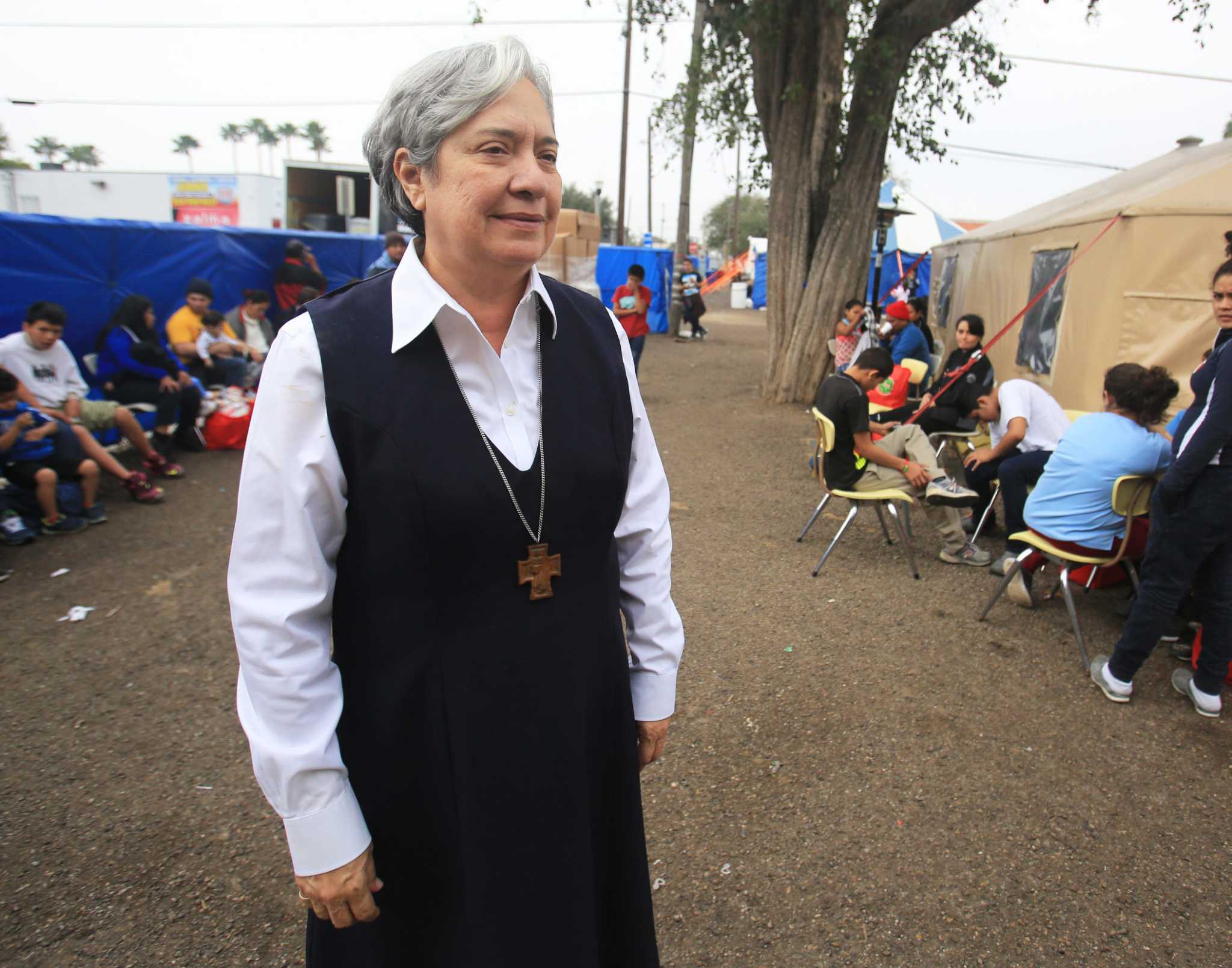
A series of events in South Texas offers a poignant illustration of the troubling dynamics at play. Local leaders who are committed to serving asylum seekers and migrants have found themselves under scrutiny, not from outside entities, but from fellow Christians who have aligned themselves with politically motivated agendas. Recent investigations by Texas Attorney General Ken Paxton have targeted organizations such as Catholic Charities of the Rio Grande Valley, led by Sister Norma Pimentel. This organization operates shelters that provide critical services to migrants in dire situations.
The Political Targeting of Christian Compassion
Sister Norma, known for her grace and compassion, faced a deposition regarding accusations that her organization assists migrants in entering the U.S. illegally. Paxton, a figure whose impeachment for corruption charges is still fresh in public memory, has shifted his focus to these organizations, seemingly to advance a politically charged narrative. This approach isn’t unique; similar actions have been directed at the Catholic Annunciation House in El Paso, which also faced a politically motivated investigation.
Fortunately, local judges have dismissed these actions thus far, recognizing them as unwarranted assaults on crucial humanitarian efforts. However, the fear remains that these dismissals may be appealed to higher, more conservative courts, raising concerns for the future of faith-based assistance to vulnerable populations.
Wider Implications for Christian Institutions
The scrutiny isn’t limited to Catholic Charities. Other organizations, like a nonprofit in Brownsville led by a former Episcopal minister, are also under investigation for their efforts to assist migrants. These actions serve as a harbinger of a dangerous trend; such targeting could extend beyond Texas and become a national issue.
It feels inconceivable that a well-established organization like Catholic Charities would be vulnerable to such investigations, especially under the leadership of a governor, Greg Abbott, who identifies as Roman Catholic. Yet, the alliance of some Christian leaders with political figures like Donald Trump demonstrates how political loyalty can override foundational religious teachings.
The Real Christian Crisis: Xenophobia and Nationalism
Ultimately, the most significant threat to authentic Christian values is not from individuals of different faiths or those who are non-religious, but from those who profess a Christian faith while embracing xenophobia and nationalism. This contradiction in values raises alarming questions: Are we sacrificing the essence of Christianity—caring for "the least of these" and "welcoming the stranger"—at the altar of political expediency?
A Call to Action for American Christians
The situation in Texas is a wake-up call for the broader American church. It’s crucial for Christians to recognize that true discipleship may often require standing against a burgeoning Christian nationalism that has little to do with the teachings of Jesus Christ. Those who genuinely heed the call to discipleship may find themselves labeled as outsiders within their faith communities, much to the detriment of their spiritual mission.
Conclusion: Reinforcing True Christian Teachings
As discussions around faith and politics continue to evolve, it’s imperative to refocus on the teachings of Jesus and acknowledge that compassion and support for the vulnerable are foundational tenets of the Christian faith. Engaging in meaningful dialogue about these challenges will be vital if the church is to fulfill its mission amidst increasing political pressures.
For more insights into the complexities of faith in the current sociopolitical landscape, explore themes around Christian teachings and humanitarianism. Building a community that prioritizes these principles over political agendas can foster a more profound understanding of what it means to be true followers of Christ.
