


Rewrite a fully new long article using the information from
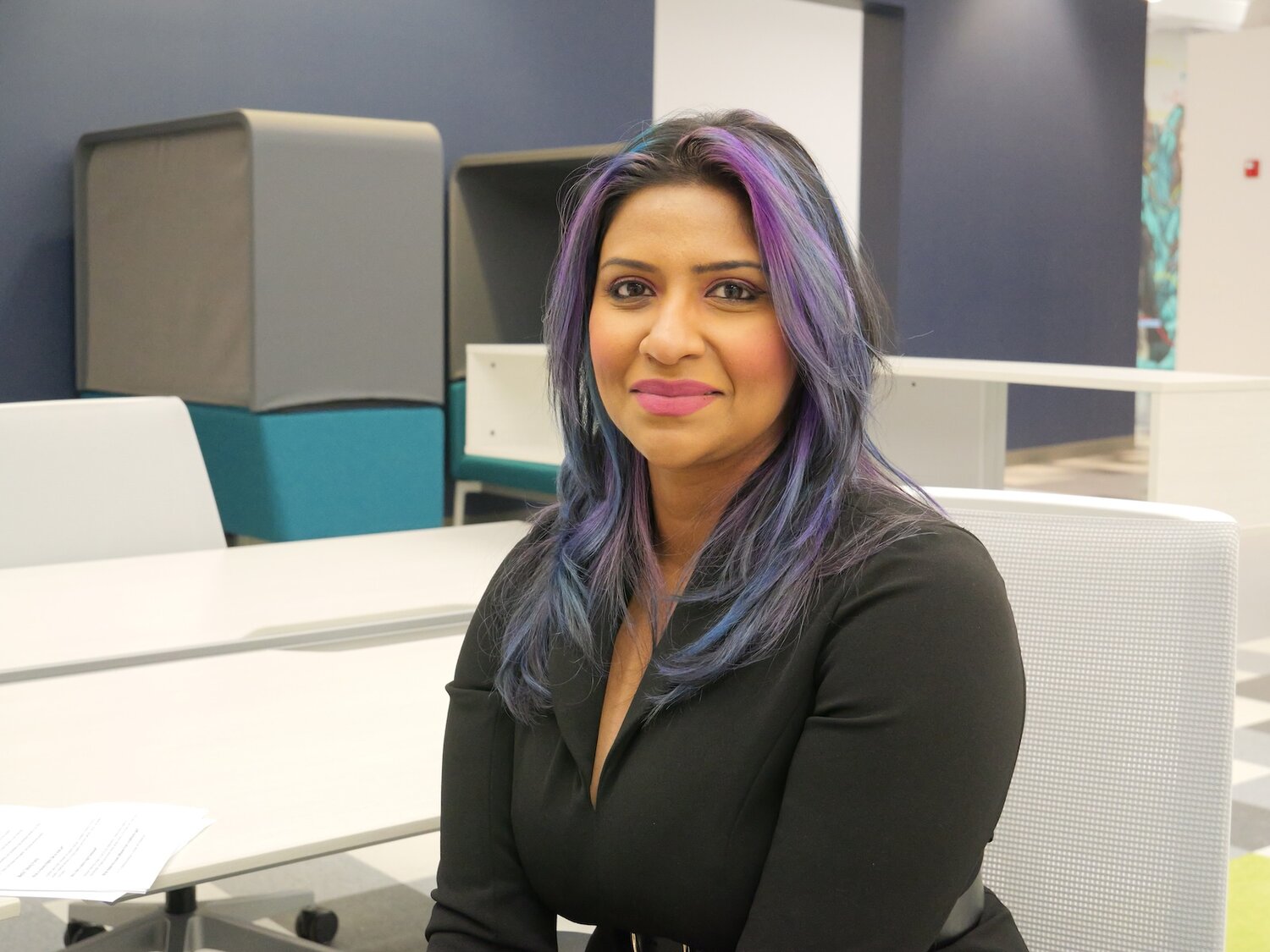
By Dr. Rashmi Chandran
At AltaCair Foundation, data is more than a number.
It is a way of listening.
Every community event, resource request, partner conversation, website visit, health screening, and survey response helps us better understand what families across the Rio Grande Valley are searching for, asking for, and showing up for.
This year, AltaCair is focusing on the connection between data and impact: how community insight can help guide programs, strengthen partnerships, and bring access closer to home.
Across the region, families continue to face barriers that affect health, stability, and quality of life. These barriers may include limited access to healthcare, food insecurity, transportation challenges, financial hardship, lack of household essentials, and difficulty navigating available community resources.
AltaCair’s work is rooted in responding to those needs through community-based outreach, collaborative partnerships, and direct support.
Recent Impact at a Glance
Through AltaCair programs, outreach, and community initiatives, the organization supports approximately 1,000–2,000 individuals annually.
Recent impact includes:
- Nearly 150 families supported through the Community Care Closet since November 2025
- 74 individuals and 7 families served through the Community Care Closet since January 2026
- 80 families supported through food distribution efforts
- Approximately 40 families reached monthly through ongoing food distribution in San Carlos
- 27 individuals received lab work at the San Carlos Health Fair in March 2026
- 60–75 community members reached per resource fair through screenings, education, referrals, and community resources
- 10 Cluster Meetings convened across 2024 and 2025
- 50+ participants per Cluster Meeting from healthcare, education, nonprofit, business, government, and faith-based sectors
- 3 years of Accelerator Health Summits completed, with Accelerator 2026 scheduled for October 15, 2026
Each of these numbers represents more than participation. They represent a need identified, a conversation started, a resource shared, or a barrier better understood.
What the Data Is Helping Us See
Through community resource fairs, AltaCair is learning what families need most when they gather in one place to access support. These events connect residents with healthcare providers, social service organizations, educational resources, emergency preparedness services, and other local partners.
Through the Community Care Closet, AltaCair is seeing the ongoing need for practical household support, including clothing, infant items, cookware, and essential goods.
Through food distribution, we are seeing how food access connects directly to family stability, chronic disease prevention, and long-term wellness.
Through Cluster Meetings, we are listening to healthcare leaders, nonprofits, schools, businesses, community organizations, and local stakeholders as they identify gaps and opportunities for stronger collaboration.
Through Accelerator, AltaCair continues to bring regional leaders together for bigger conversations around health equity, access, data, innovation, and community impact.
Turning Insight Into Action
Data helps AltaCair move with greater clarity.
It helps us identify where needs are emerging. It helps us understand which resources families are seeking. It helps us strengthen partnerships in specific communities. It helps us prepare for future programs, resource fairs, and regional conversations. It helps us ask better questions before designing solutions.
This is especially important as AltaCair continues to build roots in communities such as San Carlos, Cameron Park, Monte Alto, La Grulla, and Santa Rosa.
AltaCair is currently continuing monthly support in San Carlos, working toward establishing a Community Care Closet presence in Cameron Park, preparing for a Community Resource Fair in Monte Alto at the end of July, and building community partnerships in La Grulla and Santa Rosa.
The goal is not to enter a community with assumptions.
The goal is to listen first, understand the local needs, and work with trusted partners to determine how AltaCair can be most beneficial.
Preparing for Accelerator 2026
Accelerator 2026 will continue AltaCair’s focus on data, access, and collaboration by exploring how AI and technology can support better health outcomes.
The conversation is not only about innovation.
It is about responsibility, equity, and understanding how new tools can help organizations respond smarter, serve better, and bring access closer to home.
As AltaCair prepares for Accelerator 2026, the data gathered through local programs and partner conversations will help inform the questions, priorities, and discussions ahead.
Because at AltaCair, data is not just something we collect.
It is something we use to listen better, respond smarter, and turn insight into action.
From Data to Impact
Every number represents a person, a family, a question, a barrier, or a need.
When someone attends a resource fair, receives lab work, requests household items, participates in food distribution, joins a community conversation, visits the website, or connects with one of our partners, they are helping us better understand what access looks like in real life.
That is why data matters.
It helps us move from assumption to understanding. From understanding to action. And from action to meaningful community impact.
Editor’s Note: The above guest column was penned by Dr. Rashmi Chandran, CEO of the AltaCair Foundation. The column first appeared on the group’s social media pages. It appears in the Rio Grande Guardian with the permission of the author.
make sure the article is SEO-optimized following all the SEO Guides, from Focus Keyword to H2 and H3 titles and so on.
the article must explain all the details in a very clear and engaging structure.
very important: Use external links for keywords and sentences inside the article you will generate to boost the SEO.
Avoid writing any author related or donation related texts.
Avoid writing what you did in the articles because the article is published for visitors to read.
