


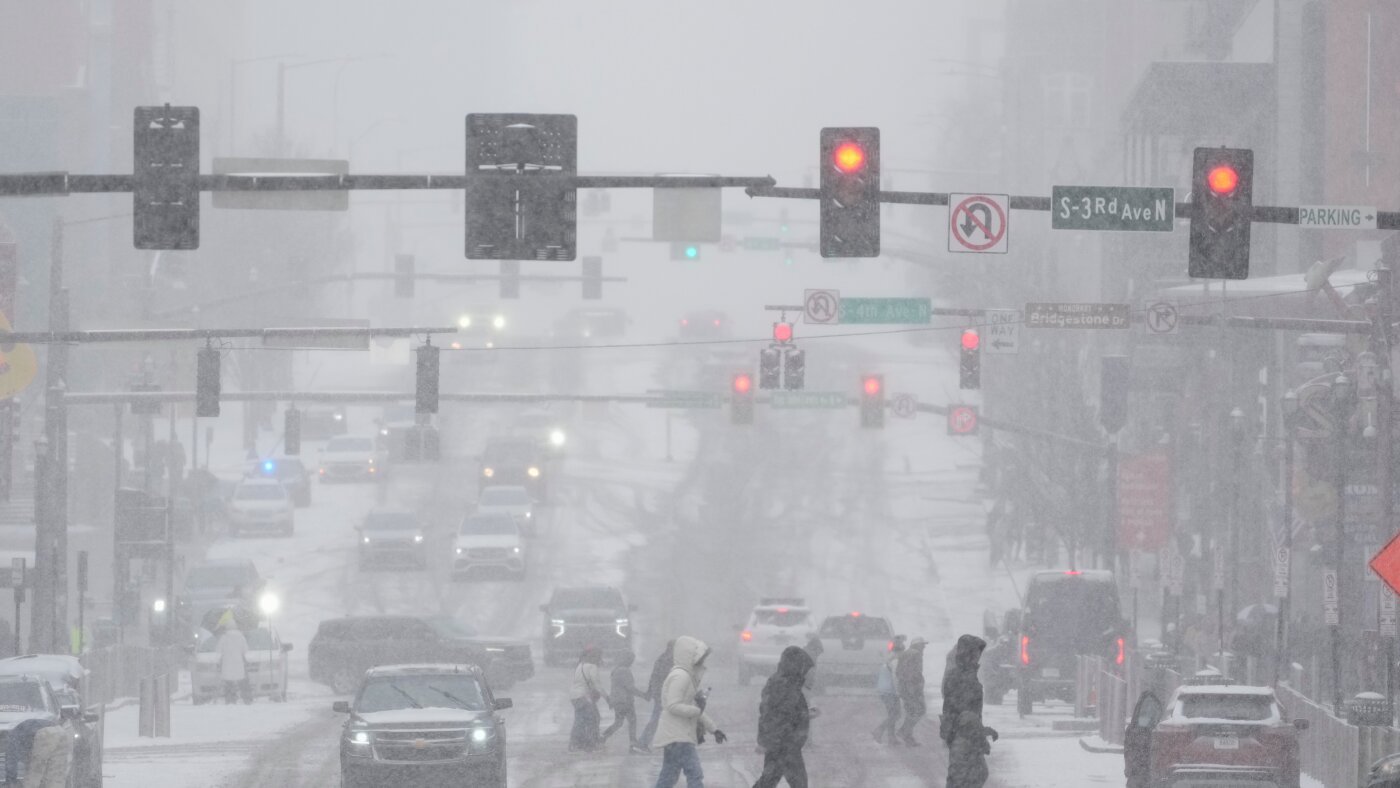
Winter Storm 2026: A Comprehensive Overview of the Ongoing Weather Crisis Across the U.S.
A powerful winter storm is currently sweeping across the eastern two-thirds of the United States, projected to bring a dangerous mix of heavy snow, icy conditions, and bone-chilling temperatures from New Mexico to New England. This winter storm is particularly concerning, with millions of residents bracing for potential disruptions, hazardous travel, and power outages.
Areas Affected by the Storm
As of Saturday, over 30 states have been placed under watches, warnings, or advisories by the National Weather Service (NWS). From Texas to New England, forecasts indicate not only snow accumulation but also catastrophic ice build-up posing a severe risk to public safety and infrastructure. In southern New Mexico and Texas, tens of thousands of residents are already facing electricity outages.
Travel Impact: With over 10,000 flight cancellations reported and more than 18,000 delays, air travel is significantly impacted as travelers attempt to navigate the storm’s fallout.
Weather Warnings and Advice
According to Nicholas Price, an NWS meteorologist based in Texas, travelers should be wary of the dangerous conditions posed by icy bridges and overpasses. He cautions that fallen trees could obstruct roadways and damage property.
To navigate these conditions safely, it’s vital to:
- Stay informed: Regularly check updates from the National Weather Service.
- Prepare well in advance: Ensure your vehicle is equipped for winter conditions and stock up on essential supplies before traveling.
State-Specific Responses
Alabama
Governor Kay Ivey has declared a state of emergency for 19 northern counties, urging residents to remain vigilant and prepared for the unexpected.
Arkansas
Governor Sarah Huckabee Sanders has also announced a state of emergency, noting that the storm is unlike previous winter events in the state, which will complicate clearance efforts.
Connecticut
Governor Ned Lamont has activated the state’s Severe Cold Weather Protocol to assist vulnerable populations in finding shelter as snow accumulations could exceed a foot in some areas.
Georgia
A state of emergency was declared by Governor Brian Kemp, allowing for the deployment of National Guard troops to assist with emergencies. Residents have been advised to stock up on essentials as travel conditions are expected to deteriorate.
Illinois and Chicago
Chicago has implemented emergency measures, including the distribution of vital supplies through non-profit organizations to support unhoused individuals amidst the harsh winter.
Impending Snowfall and Ice Conditions
Forecasts project extremely low temperatures and substantial snowfall in various regions. Here are some noteworthy predictions:
- Kentucky may experience its highest snowfall in a decade, with central areas potentially seeing double-digit accumulations.
- Pennsylvania anticipates significant snowfall totals, with Philadelphia quenching its thirst for preparedness ahead of a snow emergency starting Saturday evening.
- Texas officials urge residents in over 130 counties to be ready for a severe winter freeze, marking the region’s first major winter weather event since last year.
Safety Precautions During Winter Storms
When managing the impending winter conditions, it’s crucial to remember:
- Limit exposure to extreme cold to prevent frostbite.
- Pets may also require extra care; ensure they are kept warm and sheltered.
- Stay indoors during severe weather to minimize risks, and if travel is necessary, use extreme caution to avoid accidents.
Resources and Support
For additional resources on how to prepare and respond to winter weather conditions, residents can consult local emergency services. This includes useful links for accessing shelter information and staying updated with ongoing weather reports:
- Check the American Red Cross for safety tips.
- Regional news outlets often provide local emergency announcements and preparedness tips tailored to specific areas.
Conclusion
As this storm impacts many states, it’s essential to heed local warnings and take proactive measures to ensure safety. Stay updated on weather reports and prepare for conditions that may disrupt daily life, especially travel.
By remaining informed and prepared, residents can mitigate the risks associated with winter storms and protect themselves and their communities from the dangers that accompany extreme winter weather.
For more information on how to navigate such emergencies, consider visiting your state’s emergency management website or local news sources for timely updates.
