


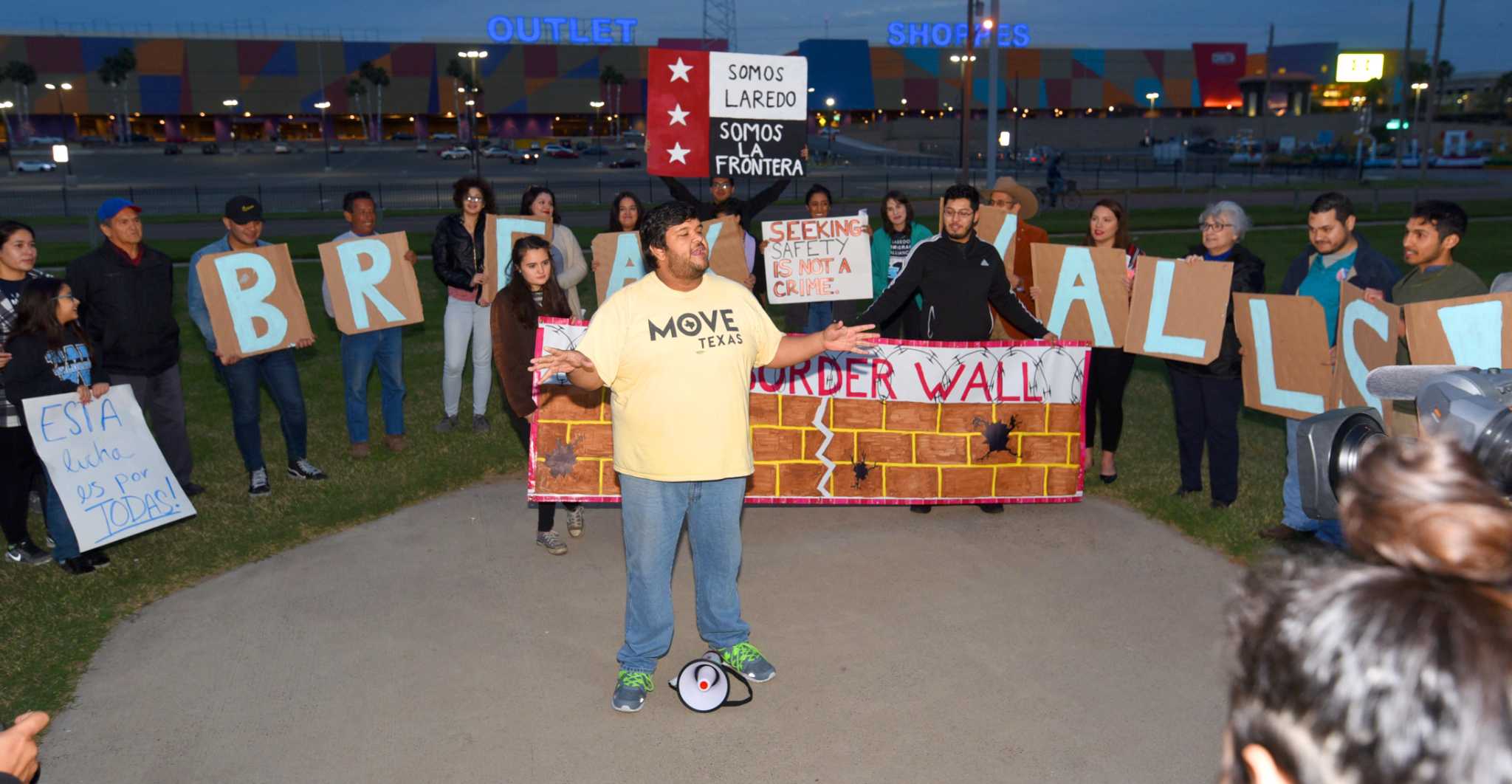
The Controversial Proposal for a Border Wall in Laredo: A Community on Edge
Introduction
U.S. Customs and Border Protection (CBP) officials recently visited Laredo, Texas, to evaluate potential locations for a controversial border wall within this vibrant South Texas community. This proposal, aimed at reinforcing U.S. border security, has sparked significant debate among local residents, environmentalists, and policymakers.
Assessing the Need for a Border Wall
During a State of the Border address on February 1, Felix Chavez, acting chief for the U.S. Border Patrol’s Laredo sector, outlined plans for a massive 171 miles of wall construction within Webb and Zapata counties. The CBP argues that a permanent and impermeable barrier is essential for achieving "operational control" of the border. However, it has raised alarms in multiple sectors of the community, particularly within Laredo’s urban center.
The Heart of the Community at Risk
Alarmingly, the proposed location of the wall includes central Laredo, an area rich in cultural heritage and community significance. This region encompasses:
- Downtown Laredo: The economic hub of the city.
- Laredo College Campus: A critical educational institution.
- Residential Areas: Densely populated neighborhoods that are predominantly middle- and low-income families.
- Parks and Trails: Laredo’s natural habitats that attract eco-tourists for recreation such as kayaking and birdwatching.
The plan to erect a wall in such a vital area has met with fierce opposition from community members and environmental advocates.
A Lack of Justification for a Wall
Research indicates that there is currently no urgent border crisis. Historical data highlight a significant decline in illegal apprehensions, reaching levels comparable to the early 1970s. In 2017, apprehensions were at an all-time low and the 2018 statistics showcased a shocking one-fourth of the peak numbers recorded in the year 2000. Moreover, over 90% of illegal drug seizures occur at designated ports of entry, rather than between them.
Given these findings, many question the necessity of a vast border wall that disrupts both the landscape and local lives.
Environmental Implications
The proposal comes with significant environmental concerns. The Trump administration’s decision to waive various regulations for the wall construction undermines crucial protections that safeguard Laredo’s unique biodiversity. During this process, several pivotal acts, including the Clean Water Act and the Safe Drinking Water Act, have been disregarded. This raises questions about the safety of Laredo’s sole source of drinking water, which serves over six million people along the Rio Grande.
Flooding and Ecosystem Damage
Constructing a wall could result in severe flooding in Laredo and nearby areas, with environmental ramifications that directly threaten hundreds of species dependent on river access for survival. The potential costs associated with relocating critical city infrastructure situated along the river’s edge provide additional arguments against the wall’s construction.
Changing Dynamics of Immigration
The current dynamics of immigration are more complex than ever before. Historically, the migrant population primarily consisted of single males from Mexico. Today, however, 78% of migrants are from countries other than Mexico, and family units as well as unaccompanied minors account for 60% of illegal apprehensions. Factors such as violence and poverty in Central America, alongside an overloaded court system, have significantly altered the landscape of migration, complicating crossings at legal points of entry.
A Call to Action
Given the lack of justification for a border wall, community leaders are urging congressional representatives to allocate zero funding towards this initiative. Instead, they advocate for investing in more pressing security measures, such as increasing personnel and enhancing technology at ports of entry.
Conclusion
The possibility of a border wall in Laredo’s urban center threatens to devastate the landscape, ecology, and cultural heritage of this historic community. With the valuable Rio Grande serving as the lifeblood of Laredo since its founding in 1755, any decision to construct an unjustifiable wall purely for political motivation is not only reckless but a direct threat to the wellbeing of millions.
By placing emphasis on factual data and advocating for constructive solutions, community efforts can steer the narrative toward a more integrated and sensible approach to border security. For those interested in supporting sustainable development and ecological preservation, it is vital to stay informed and engaged in ongoing discussions surrounding this pertinent issue.
For detailed insights and statistics about border security, visit the U.S. Customs and Border Protection website. For environmental implications of border constructions, refer to resources from the National Park Service and other conservation organizations.
