


Strengthening Ties in the Rio Grande Valley: Texas Secretary of State David Whitley’s Visit
Introduction
In a critical initiative aimed at enhancing local governance and economic development, Texas Secretary of State David Whitley made a significant visit to the Rio Grande Valley. This journey served as a platform for strengthening relationships with community leaders, exploring issues crucial to the border region, and fostering collaboration on voter engagement strategies as well as economic development opportunities.
Focus on Education and Civic Engagement
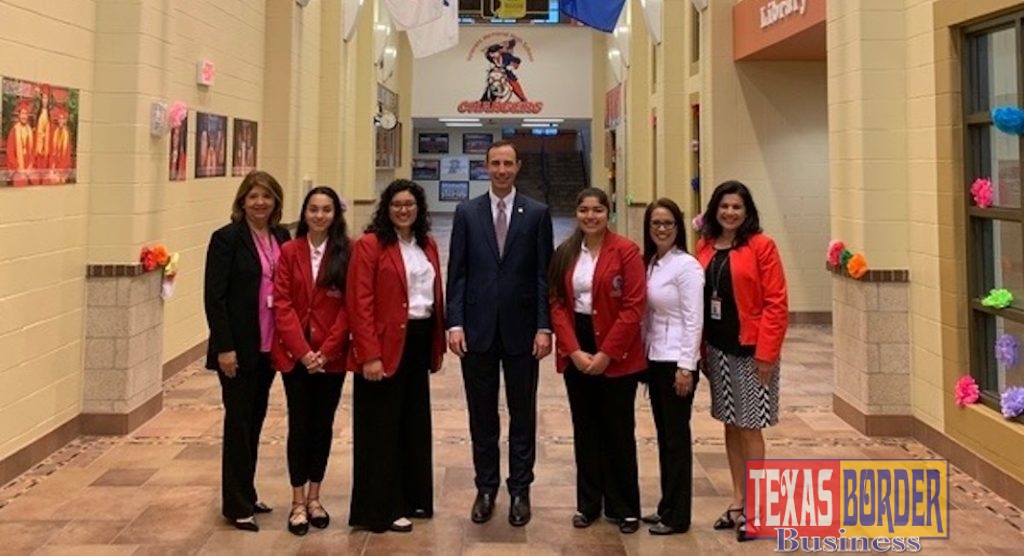
Secretary Whitley kicked off his visit at the Veterans Memorial Early College High School in Brownsville. Here, he engaged with students and faculty about their civic engagement programs. He praised Principal Dr. Linda Gallegos and the Brownsville Independent School District for their effective initiatives aimed at ensuring voter registration among eligible students. This interaction underscores the significance of empowering the younger generation to participate in democratic processes, contributing to greater societal involvement.
Enhancing Voter Registration Efforts
The office of the Secretary of State emphasizes the importance of voter registration. In meetings with local Election Administrators and education leaders, Whitley discussed methods to boost voter turnout in the Rio Grande Valley. The engagement included feedback mechanisms that could streamline efforts to cultivate a culture of voting among residents, particularly focusing on young voters.
Economic Development and Regional Cooperation
Next on the agenda was a vital roundtable discussion with public officials and economic development leaders at the Greater Brownsville Incentives Corporation (GBIC). Attendees, including Brownsville Mayor Tony Martinez, assessed the regional economic climate and strategies for attracting investments to the area. This collaboration is essential, as economic growth in the region can significantly impact job creation and overall prosperity.
Transportation and Cross-Border Trade
An essential part of Secretary Whitley’s visit involved discussions with Cameron County’s Department of Elections and Voter Registration, meeting with Elections Administrator Remi Garza to address election administration and voter engagement. He expressed gratitude to Garza for his unwavering dedication to serving Cameron County voters.
Following this, Whitley consulted with Josue Garcia, Executive Director of the Cameron County International Bridge System, to gain insights into the status of transportation infrastructure, specifically aimed at enhancing cross-border trade with Tamaulipas, Mexico. He highlighted the importance of effective infrastructure for fostering economic exchanges and noted the relevance of his role as Chair of the Border Trade Advisory Committee (BTAC).
Strengthening Diplomatic Relations
Whitley also engaged in discussions with Carlos Cue Vega, the Consul General of Mexico in Brownsville, focusing on the dynamics of cross-border commerce and the importance of reinforcing historic ties between Texas and Mexico. Emphasizing a collaborative approach, they explored avenues for improved coordination and communication among public officials from both countries.
Economic Impact of the Port of Brownsville
Concluding his first day, Secretary Whitley toured the Port of Brownsville, the second-largest Foreign Trade Zone (FTZ) for exports in the U.S. This facility significantly contributes to Texas’s economy, with an annual economic impact exceeding $3 billion and supporting over 44,000 jobs. The port’s expansion and growth opportunities were key talking points, stressing the role of such infrastructures in fostering economic prosperity.
Future Infrastructure Projects
On the second day of his visit, Secretary Whitley toured the Pharr-Reynosa International Bridge, followed by a working discussion with the RGV Partnership and the Pharr Economic Development Corporation. Participants in this dialogue identified crucial priorities for future infrastructure projects and highlighted the importance of stakeholder participation in BTAC. Whitley reaffirmed his commitment to serving as a liaison between local leaders and state authorities, ensuring that the voices of Rio Grande Valley residents are heard.
Conclusion
The visit of Secretary David Whitley to the Rio Grande Valley is a testament to the importance of local engagement in driving economic growth, enhancing voter participation, and nurturing cross-border relationships. By fostering collaboration among community leaders, educational institutions, and local governments, these efforts lay a solid foundation for a prosperous and inclusive future for the Rio Grande Valley area. Through initiatives that empower the younger generation and fortify economic ties, the region stands poised for sustainable growth and an enriched quality of life for its residents.
This comprehensive overview captures the essence of Secretary Whitley’s visit while seamlessly integrating external links to boost SEO optimization.
