


New Refund System for Tariff Payments Launches for Businesses
Overview of the Refund System
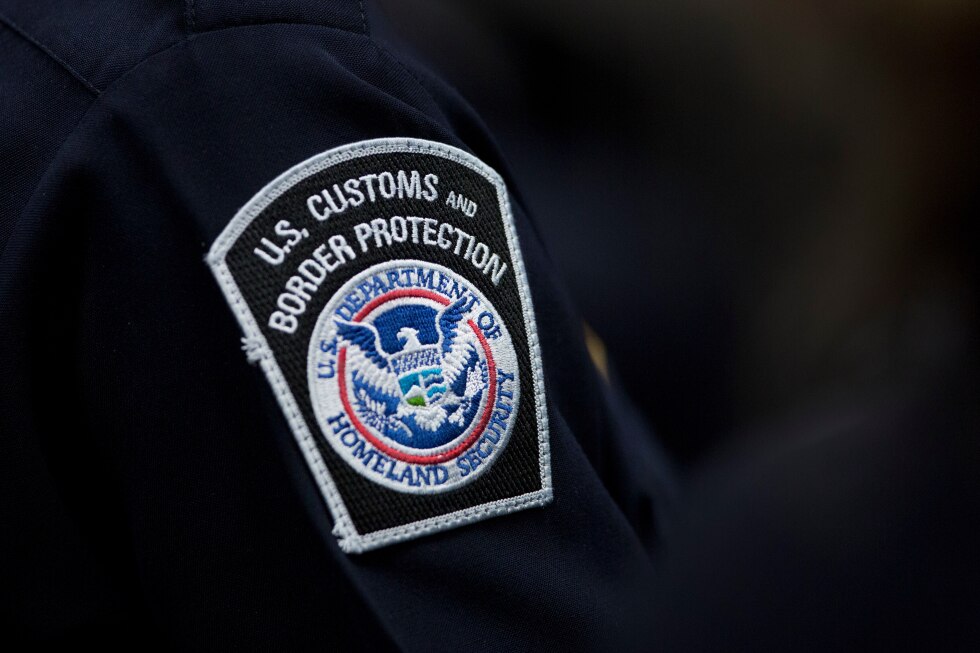
Starting Monday, a newly established refund system is set to assist businesses that paid tariffs imposed by former President Donald Trump, which the U.S. Supreme Court ruled lacked constitutional authority. Businesses and import brokers can begin submitting claims through an online portal provided by U.S. Customs and Border Protection (CBP) at 8 a.m. This rollout signifies the initial move towards addressing the financial burden of tariffs on countless American businesses and potentially on consumers as well.
Refund Process: What Businesses Need to Know
To receive refunds, companies must declare the specific goods subjected to the tariffs, on which they have collectively spent billions. Once the CBP processes these claims, businesses can expect refunds to be issued within 60 to 90 days. However, the federal government plans to handle these refunds in phases, prioritizing recent tariff payments. Importers should be prepared for possible delays due to various technical factors and procedural challenges.
Supreme Court Ruling and Its Implications
In a landmark 6-3 decision on February 20, the Supreme Court determined that Trump overstepped his authority when imposing new tariff rates on imports from numerous countries, citing the U.S. trade deficit as a national emergency. While the ruling focused on the legality of the tariffs, the U.S. Court of International Trade recently clarified that companies subjected to these tariffs are indeed entitled to receive refunds.
Eligibility and Registration for Refunds
According to court documents, over 330,000 importers contributed approximately $166 billion towards more than 53 million shipments subjected to these tariffs. However, not all tariffs are immediately eligible under the new refund system. The first phase of the rollout focuses on cases where tariffs were estimated but not finalized, or those within 80 days of a final accounting.
Importers must register for CBP’s electronic payment system to qualify for refunds. As of mid-April, approximately 56,497 companies had completed their registration and were collectively eligible for refunds approximating $127 billion.
Importance of Accuracy in Applications
Meghann Supino, a partner at Ice Miller law firm, emphasizes the necessity for businesses to carefully include all documentation numbers that detail the imported goods and their corresponding values. Errors in the submission could lead to rejections, complicating the process further.
Nghi Huynh, a partner at Armanino, stresses the significance of having a systematic approach to track submissions and payments. Each submission could contain thousands of entries, and maintaining accuracy is crucial to avoid potential rejections due to formatting issues.
Small Businesses and Their Anecdotes
Small businesses have been particularly keen on accessing this refund process. For example, Brad Jackson, co-founder of After Action Cigars, immediately began organizing records as soon as the launch date was announced. The company imports cigars and accessories, paying an estimated $34,000 in tariffs last year. Jackson expressed concern over the turnaround time for refunds, noting that lengthy processes could hinder cash flow.
Will Consumers Benefit from the Refunds?
While tariffs are paid by importers, they often pass these costs on to consumers through elevated prices. The new refund system primarily targets businesses, which are not required to transfer the proceeds back to their customers. There are ongoing class-action lawsuits aiming to ensure that various companies refund their customers for these charges.
Consumers might see refunds from delivery companies such as FedEx and UPS, which have collected tariff payments directly. FedEx has publicly committed to returning any tariff refunds it receives to its customers once the CBP processes those refunds.
Conclusion
The launch of the tariff refund system marks a significant step for businesses that have been navigating the financial implications of import tariffs. Although the intricate process may pose challenges, particularly for small businesses, thorough preparation and accurate submissions will be key for securing refunds. Stakeholders eagerly await the positive impact this refund system could have on businesses and, ultimately, consumers.
For further information, visit U.S. Customs and Border Protection and stay updated on developments related to tariffs and refunds.
