


U.S.-Iran Ceasefire Talks Set to Resume in Pakistan Amid Escalating Tensions
Islamabad, Pakistan — A new round of ceasefire negotiations between the United States and Iran is anticipated to take place in Pakistan, as both nations prepare for the potential expiration of a two-week truce. Regional officials have indicated that top negotiators from both sides are expected to arrive in Islamabad shortly.
Ceasefire Negotiations on the Horizon
Leaders from Washington and Tehran have issued stark warnings about the consequences of failing to extend the existing ceasefire, which began on April 8 and is set to expire soon. Though neither the United States nor Iran has publicly confirmed the details of the scheduled talks, sources have revealed that U.S. Vice President JD Vance and Iran’s Parliament Speaker Mohammad Bagher Qalibaf will participate in the discussions.
Iranian state media, however, disputed these reports, asserting that no delegation from the Islamic Republic had yet arrived in the Pakistani capital.
Escalating Rhetoric and Stakes
Amidst the backdrop of these talks, rhetoric from both sides remains heated. U.S. President Donald Trump has famously warned that a lack of agreement could lead to significant conflict, stating that “lots of bombs” would soon follow a failure to negotiate. Conversely, Iran’s chief negotiator indicated in recent comments that the country possesses “new cards on the battlefield,” suggesting that Iran has strategic advantages yet to be revealed.
U.S. Military Actions Heighten Tensions
As the clock ticks down on the ceasefire, U.S. military actions have further strained relations. The Pentagon recently announced that its forces boarded the M/T Tifani, an oil tanker previously sanctioned for smuggling Iranian crude oil, asserting that “international waters are not a refuge for sanctioned vessels.” This follows the seizure of an Iranian cargo vessel over the weekend, which Iran has described as an act of piracy.
Importance of the Strait of Hormuz
The strategic Strait of Hormuz remains a critical point of contention in negotiations. This vital waterway is responsible for a significant percentage of global oil and natural gas transport. U.S. efforts to enforce a blockade are intended to challenge Iran’s tight control over the strait, which has contributed to rising oil prices—Brent crude was trading near $95 per barrel, a considerable spike since the onset of the conflict.
Focus on Energy Stability in Europe
The ongoing conflict has repercussions beyond the immediate regions involved. European officials have expressed concern over potential energy shortages, with the International Energy Agency warning that Europe may only have “maybe six weeks” of jet fuel supplies remaining. As a result, transportation ministers from the EU convened in Brussels to strategize on consumer protection amidst the crisis.
Internal Dynamics in Iran
Iran’s leadership is grappling with internal divisions about how to respond to U.S. pressures and military actions. State media narratives reflect these tensions, which could influence Iran’s stance in upcoming talks, particularly following the recent seizure of its cargo vessel by U.S. forces.
Prospects of Resuming Ceasefire Talks
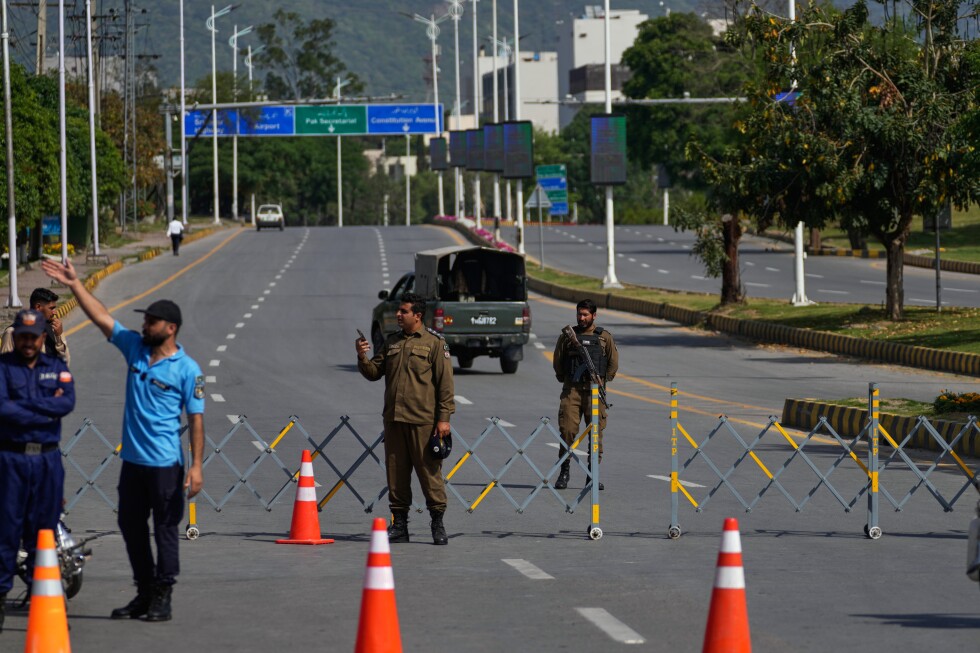
Confidence among Pakistani officials regarding the resumption of negotiations is palpable. Security measures around Islamabad have been intensified, suggesting that high-level discussions may be on the table if the situation progresses favorably.
Parallel Diplomatic Efforts: Israel and Lebanon
Meanwhile, parallel diplomatic efforts are underway involving Israel and Lebanon. Representatives from both nations are slated to resume historic talks in Washington aimed at reaching a peace agreement and disarming Hezbollah. These discussions come amid a fragile ceasefire that has seen significant violence, highlighting the intricate and volatile nature of Middle Eastern geopolitical dynamics.
Conclusion
As the U.S. and Iran prepare for another round of ceasefire negotiations, the stakes are higher than ever. The potential ramifications of these talks extend far beyond their immediate context, influencing not only regional stability but also global energy markets and international diplomatic relations. With tensions inflating alongside military actions, the world watches closely as both sides convene in Islamabad, hoping for a pathway to peace amid chaos.
Learn more about the U.S.-Iran relationship and understand the geopolitical implications of the Strait of Hormuz.
