


The President, the Pope, and the Politics of Faith: A Reflection on Recent Events
In a political landscape increasingly defined by polarization, the intersection of faith and politics has garnered substantial attention. This intersection came into sharp focus recently when President Donald Trump publicly criticized Pope Leo XIV after the pontiff condemned war and immigration policies. This public feud raises critical questions about respect, faith, and the moral responsibilities of political leaders.
The Role of Faith in Public Life
Growing up in a culturally rich environment like the Rio Grande Valley, where Catholicism permeates daily life, many find their faith to be an intrinsic part of their identity. This backdrop serves as a point of reference for understanding why many are disturbed by the current political climate, especially as it pertains to religion. The feeling of faith being dismissed or disrespected is becoming alarmingly common.
The Pope’s recent statements reflect deep moral concerns about issues such as war and humanitarian crises. His criticism of certain government policies isn’t merely a matter of political positioning; it’s a heartfelt condemnation rooted in church teachings on human dignity and the sanctity of life.
The Clash: Trump vs. Pope Leo XIV
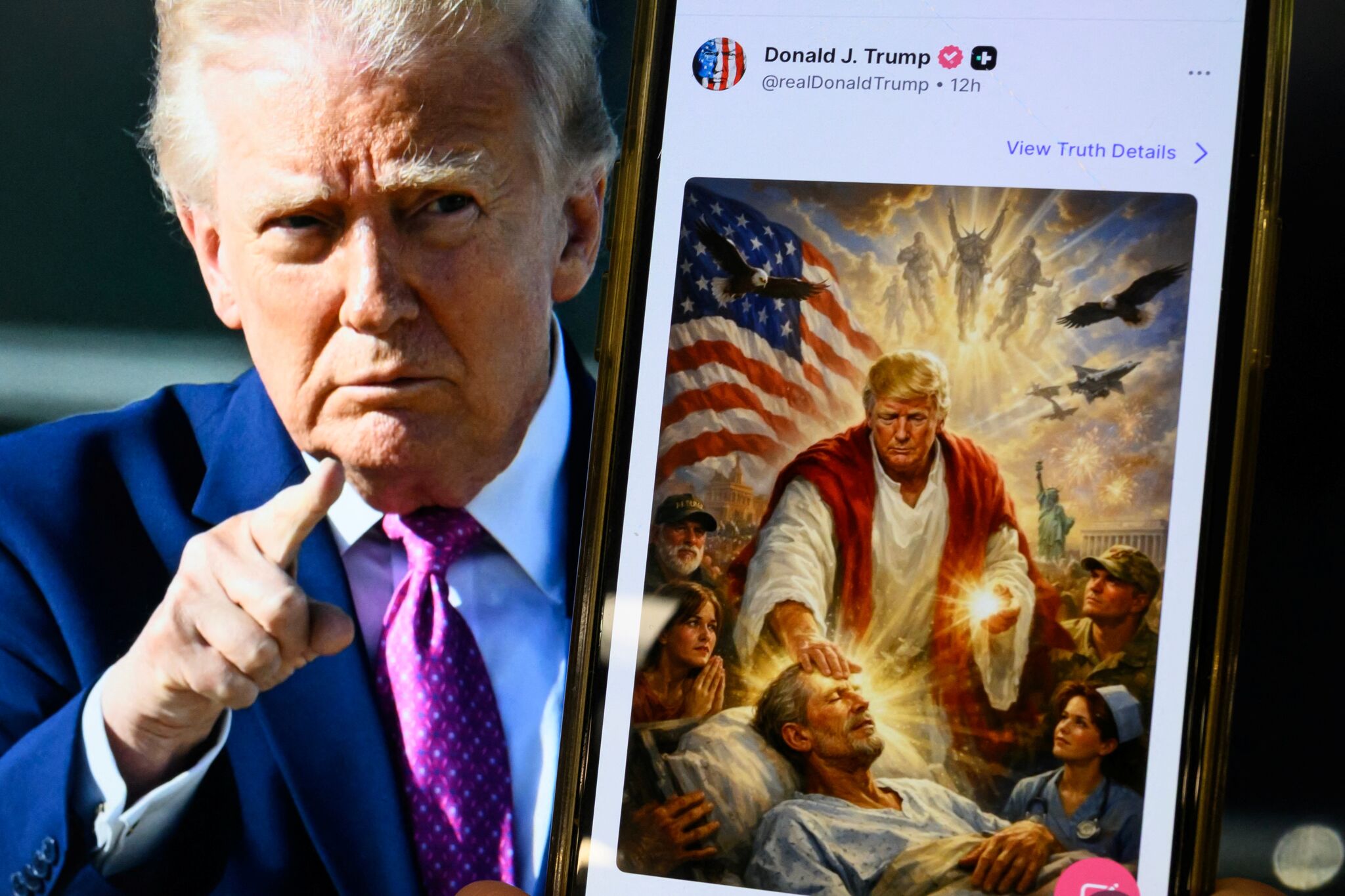
The recent tensions escalated when President Trump labeled Pope Leo XIV as "weak on crime" and "terrible for foreign policy." These comments came after the Pope’s critique of the administration’s military and immigration strategies. Trump also controversially shared an AI-generated image portraying himself in a Christ-like role, which further complicated his relationship with faith leaders.
This incident isn’t a matter of mere political disagreement; it raises fundamental issues about how faith influences leadership. While Catholics can have diverse opinions on papal directives concerning public policy, it is imperative to distinguish between a legitimate policy debate and an outright mockery of religious authority.
The Importance of Respect for Religious Leaders
It’s crucial for public officials who profess to uphold Christian values to approach their faith leaders with respect. The Pope’s call for peace and human dignity should be viewed as an invitation for deeper conversations rather than an opportunity for ridicule. This becomes particularly poignant when considering the moral language employed by the Pope, which should resonate with anyone claiming to defend Christianity in the political arena.
So, where do political leaders, especially those representing Texas Republicans, stand on this issue? Silence on such a contentious dialogue might suggest that they prioritize convenience over respect for their constituents’ faith. Given that many Texans look to their leaders for guidance on moral and ethical issues, a lack of clarity on this topic sends mixed messages about the importance of faith in public life.
An Alternative Approach: Faith and Politics with Integrity
In contrast to the recent tensions, figures like State Rep. James Talarico are demonstrating an alternative approach to faith in politics. Talarico, a Presbyterian seminarian, exemplifies a leadership style that prioritizes decency, humility, and respect for all faiths, including Catholicism. His candidacy stands as a refreshing reminder of how faith can positively impact public discourse.
Emphasizing inclusivity rather than exclusivity is vital in politicized discussions about religion. For those weary of seeing faith manipulated for division, Talarico’s perspective offers a hopeful alternative.
A Call for Action: Defending Religious Dignity
The situation calls for immediate reflection and action among Texas Republicans. They need to articulate their stance regarding President Trump’s comments toward the Pope. The implications are significant for Catholic voters who expect their faith to be honored consistently, not merely when it’s politically expedient.
As discussions around faith in public life continue, it becomes increasingly important that respect for religion is not selective. If political leaders seek the support of the Catholic community, they must genuinely defend the dignity of the faith, even if it means taking a stand against prominent figures like Donald Trump.
Conclusion: Navigating Faith, Politics, and Morality
The ongoing dialogue about the intersection of faith and politics necessitates a mature and respectful approach. As political leaders grapple with their roles, it’s essential to remember that the language of conscience, peace, and human dignity should be prioritized. Ultimately, whether or not one agrees with all perspectives presented, the call for an authentic moral compass in leadership remains imperative.
Related Resources:
By fostering a culture of respect and genuine dialogue, communities can mend the fractures created by divisive rhetoric, renewing hope for a more compassionate political future.
