


The Tense Intersection of Politics and Faith: A Call for Respect Towards Religious Leaders
In recent events, Pope Leo XIV has once again emphasized the need for global peace and compassion, particularly in light of the ongoing war in Ukraine and the complexities surrounding immigration. His efforts to advocate for these issues stand in stark contrast to some political responses that have called for a more aggressive and militaristic stance. This article delves into the contentious interaction between the Pope and former President Donald Trump, resulting in wider implications for Catholic communities, particularly in states like Texas.
The Context: Pope Leo XIV’s Advocacy for Peace
Pope Leo XIV hosted a Prayer Vigil for worldwide peace at St. Peter’s Basilica, urging a reconsideration of rhetoric that glorifies violence and focusing on the treatment of migrants. His appeal was not just coincidental; it followed broader discussions about the dire consequences of contemporary conflicts. The Pope’s stance is rooted in moral imperatives, calling upon leaders to reflect deeply on humanity’s dignity.
Trump’s Response
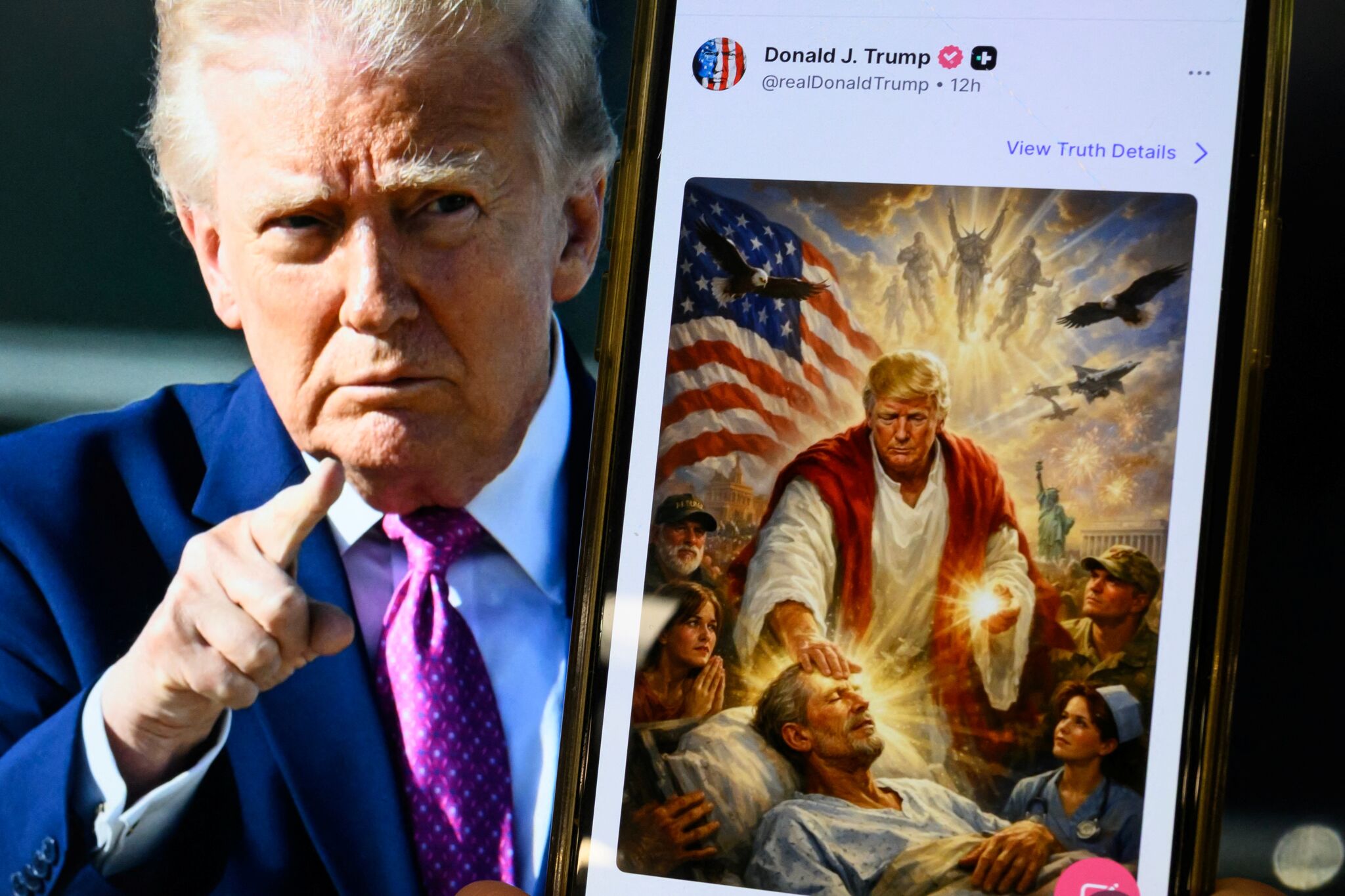
In a recent social media post, former President Trump launched into a personal attack against the Pope, labeling him "weak on crime" and "terrible for foreign policy." This exchange exemplifies a troubling trend where political figures wield rhetoric that undermines the message of compassion advocated by spiritual leaders. Trump’s comments not only dismissed the Pope’s challenging but necessary perspectives on war and migration but also eroded respect towards a significant religious figure.
A Question of Faith and Politics
This incident raises uncomfortable questions about the relationship between faith and political ideology. Catholics can indeed engage in debates regarding specific Church teachings and their applications in public policy. However, a critical distinction lies in whether the discourse respects the foundational values that underpin such teachings—values such as peace, dignity, and human rights.
The Role of Texas Republicans
With Trump rallying support from conservative factions—including many Catholics—Texas Republicans face a dilemma. Should they side with a leader who mocks the pontiff and undermines vital discussions about morality, or should they uphold the very tenets of Christianity they often invoke on the campaign trail? This leads us to question their commitment to Catholic values beyond mere political expediency.
A Different Narrative: Respectful Engagement
Unlike the contentious exchanges involving Trump, some political figures bring forth a refreshing approach. For instance, Democratic State Rep. James Talarico, a Presbyterian seminarian and former public school teacher, is running for U.S. Senate with an emphasis on decency and humility. He exemplifies how faith can unite rather than divide, fostering understanding rather than hostility.
Talarico’s approach starkly contrasts with the toxic interplay of faith in contemporary politics. He invites people into the conversation around religion, making faith a tool for acceptance and community rather than divisiveness.
The Call for Republican Accountability
Republicans must answer a fundamental question: Does it align with their values to publicly deride a prominent religious leader? Their silence on this issue may suggest to Catholic constituents that their faith is only relevant when convenient for political agendas.
As respected community members, Texas Republicans owe it to their constituents to clarify their positions. Respect for religion should not be a selective choice influenced solely by political advantages. If they desire support from Catholic voters, they must stand against disrespect towards key religious figures, even when it necessitates dissent from powerful voices in their party.
Conclusion: A Path Forward for Faith in Politics
In light of these events, there needs to be a collective movement towards a more respectful engagement with faith in public discourse. Political leaders are urged to rise above provocative rhetoric and demonstrate commitment to the dignity of all religious figures. A deeper commitment to fostering genuine dialogue will avoid the trap of divisiveness and promote unity among diverse communities.
As discussions surrounding politics and faith continue to evolve, it becomes clear that respect, humility, and compassion should be the guiding principles. By prioritizing these values, leaders can pave the way for a more inclusive political landscape—one that honors both faith and civic responsibility.
For further reading on how political figures are using religious symbolism, check out this article on the intersection of religion and politics that shows a broader perspective on trends in political rhetoric today.
