


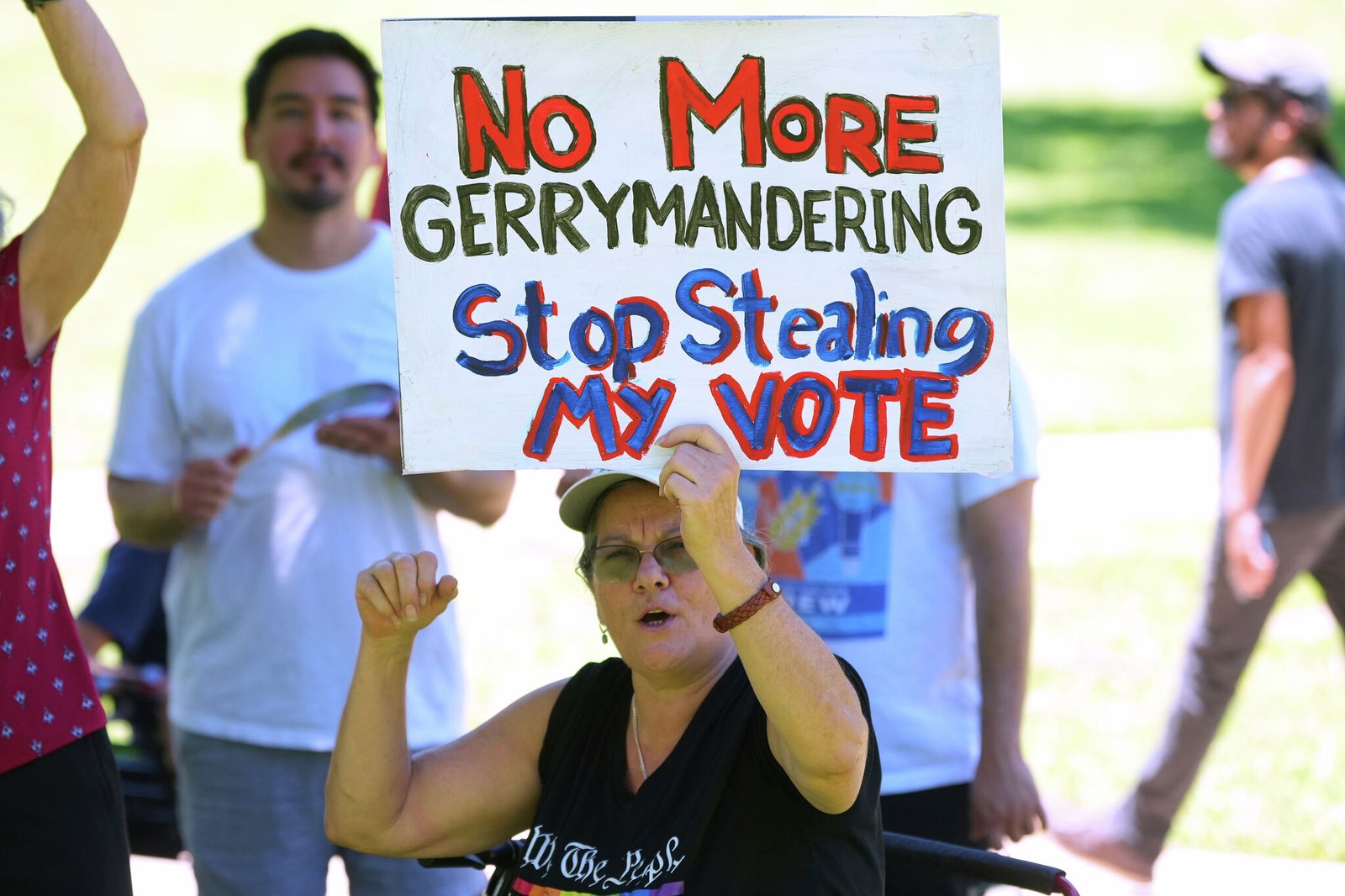
Understanding Gerrymandering and its Impacts on Democracy in Texas
Gerrymandering has become a hot topic in political discourse, particularly in Texas, where redistricting practices have raised significant concerns about fair representation. This article explores the complexities of gerrymandering, its implications for voters, and why maintaining the integrity of the electoral process is more crucial than ever.
What is Gerrymandering?
Gerrymandering refers to the process of manipulating electoral district boundaries to favor a particular political party or group. The term originated from a combination of the name "Gerry" and "salamander," due to a district shape that resembled the creature. This practice can dilute votes and skew representation, ultimately compromising the fundamental principle of "one person, one vote."
The Mechanisms of Gerrymandering
Gerrymandering can occur in two primary ways:
- Packing: This involves concentrating opposition voters into a few districts, reducing their influence in surrounding areas.
- Cracking: In this method, voters from a particular group are spread across multiple districts to dilute their voting power.
These strategies enable political parties to maximize their seat advantages by manipulating the demographics of districts.
The Effects of Gerrymandering in Texas
In Texas, recent redistricting has seen the Republican-led legislature make strategic changes that enhance their electoral clout while minimizing the representation of minority voters. This action raises constitutional questions and betrays the democratic ethos of the state.
Historical Context
To truly understand the ramifications of current redistricting, it’s essential to look back at the historical context. Texas has a long history of segregated education and disenfranchisement, particularly of Mexican Americans and African Americans. Individuals used to "celebrate" their identities only to face systemic barriers in civic engagement. Although progress has been made, recent shifts in the political landscape threaten to reverse these gains.
The Political Landscape Today
Disenfranchisement of Voters
The current political environment is increasingly using terms like “patriotism” and “citizenship” as weapons to disenfranchise specific groups. With new congressional maps being drawn up, the implications could extend well beyond the 2026 midterms, posing a threat to the voices of millions of Texans.
Seeking Justice and Equality
Fair representation requires that all votes count equally. When political powers manipulate district boundaries, democracy falters, particularly for marginalized communities. Initiatives aimed at diluting the minority vote highlight the urgency of advocating for fair electoral processes.
Key Legislative Actions
Recent legislative measures have aimed to bolster the voting power of certain demographics while ensuring that others are left with less influence in the political sphere. These actions could lead to severe consequences for community services, education, and resource allocation.
Call to Action: Protecting Democracy
If the political framework is robust and well-suited to the populace, there is no justification for sabotaging voter rights. Lawmakers should focus on policies that resonate with their constituents. Citizens have a responsibility not only to vote but also to hold their representatives accountable.
Engaging in the Political Process
A healthy democracy relies on active participation from all citizens. Efforts to ensure equal voting rights require collective action at local, state, and national levels. Moreover, engaging in conversations about redistricting and voting rights can help foster more inclusive practices.
Additional Resources
For more information on gerrymandering and voting rights, you can explore the following resources:
In conclusion, as Texas navigates these complex waters of democracy, understanding and combating gerrymandering is essential for securing the rights of all voters. By recognizing the historical and current implications of these electoral manipulations, citizens can take informed actions to advocate for a fair and just political process.
