


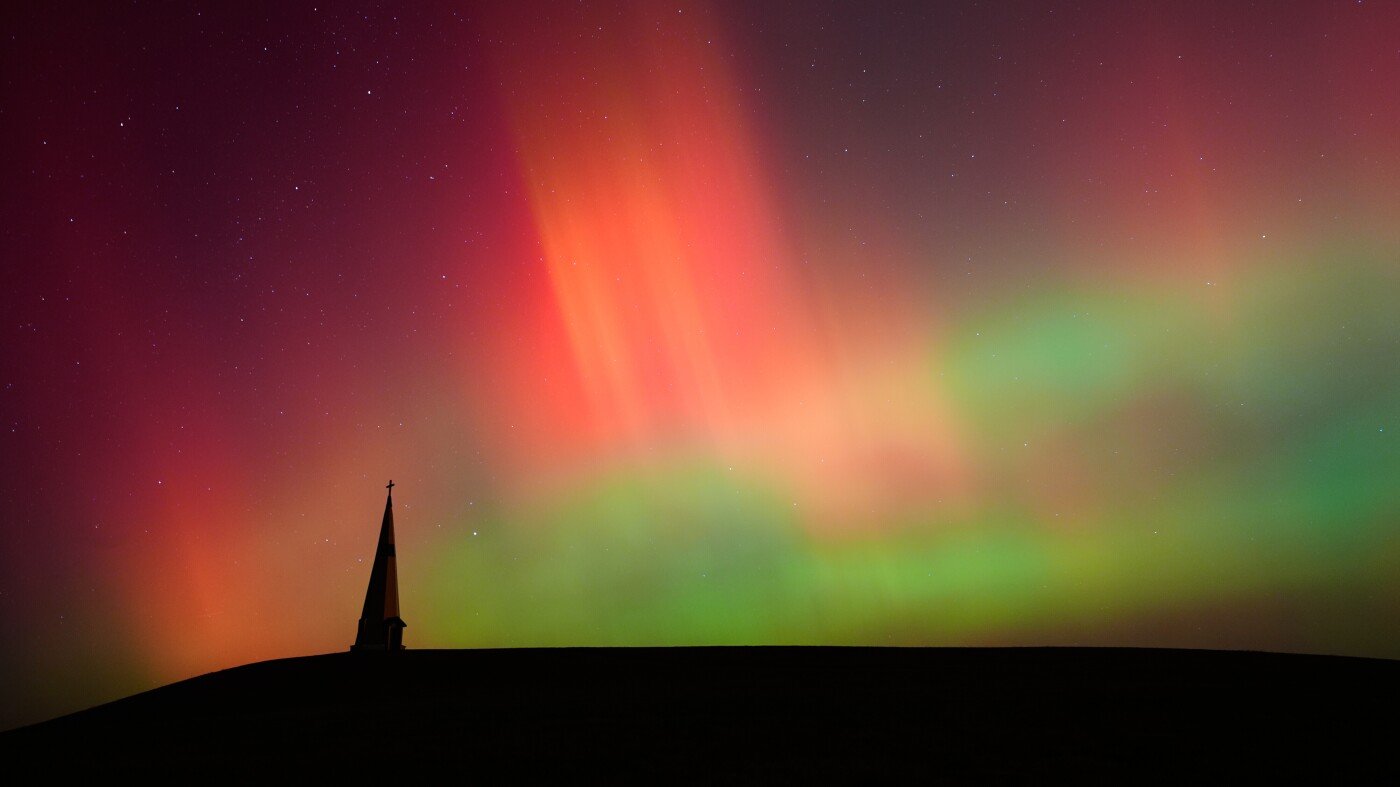
Exploring the Northern Lights: An Upcoming Celestial Spectacle
As the sun enters an active phase in its 11-year cycle, forecasts from space weather experts indicate an impending display of the mystical northern lights. On Tuesday, alerts were issued signaling severe solar storms that could lead to vibrant auroras visible much farther south than usual, with potential disruptions to various communication systems.
What Are the Northern Lights?
The northern (and southern) lights, known scientifically as auroras, occur when charged particles from the sun interact with Earth’s magnetic field and atmosphere. These interactions result in stunning light displays, commonly seen near the poles. However, during heightened solar activity, such as this current cycle, these cosmic lights may extend into more southern regions, captivating skygazers far beyond their traditional boundaries.
Deep into the United States and Europe, audiences may soon experience the breathtaking beauty of these lights, thanks to an uptick in solar activity. Experts suggest that such phenomena may stretch from the northern regions of the U.S. down to states like Alabama and Northern California.
Solar Storms and Their Impact
In recent days, the sun has emitted several coronal mass ejections (CMEs) that are expected to reach Earth later this week. These bursts of solar energy create geomagnetic storms capable of disrupting radio and GPS communications. As outlined by the National Oceanic and Atmospheric Administration (NOAA), the intensity of these geomagnetic events can vary significantly, impacting technologies and infrastructures.
Solar storms don’t just bring visual spectacle; they can also lead to significant disturbances. For example, when fast-moving solar particles collide with Earth’s magnetic field, they may lead to power grid disruptions and interfere with air traffic control communications. Historically, such solar phenomena have caused extensive effects, including the incident in 1859 when auroras lit up skies as far south as Hawaii while igniting telegraph lines.
Understanding Solar Cycles
The sun’s current phase of heightened activity correlates with its 11-year solar cycle, during which it undergoes significant changes, including magnetic pole reversals. These alterations generate solar flares and CMEs, resulting in auroras being observed in locations not typically associated with such phenomena. The last major surge in solar activity occurred last year, presenting light displays even in places like New York City and parts of Europe.
While this active period is expected to persist through the year, precise predictions of peak solar activity will only emerge in hindsight, according to agencies like NASA and NOAA.
Tips for Viewing the Northern Lights
For those seeking to catch a glimpse of this stunning natural wonder, here are some essential tips:
-
Check Aurora Forecasts: Utilize resources such as the NOAA Space Weather Prediction Center or dedicated aurora forecasting apps to project when viewing conditions will be optimal.
-
Find a Dark Spot: To maximize your chances of seeing the lights, venture to a quiet, dark location away from city lights. National or state parks are often ideal locations for aurora watching.
-
Monitor Weather Conditions: Cloud cover can obstruct visibility, so always check local weather forecasts before heading out.
- Capture the Moment: If you have a smartphone, consider taking photos of the sky. These devices often capture details that are invisible to the naked eye, potentially revealing the colors and patterns of the auroras.
Conclusion
The imminent arrival of northern lights brings both excitement and the allure of natural beauty. With their potential visibility extending further south than usual, enthusiasts across the country may soon have the chance to witness this celestial dance. By staying informed and prepared, you might just find yourself in the right place to experience this breathtaking phenomenon.
Stay tuned to updates from authorities like NOAA for real-time information on auroras and solar storms, ensuring you won’t miss the chance to witness nature’s own light show.
