


New York’s Green Light Law: A Major Legal Win for State-Level License Access
Overview of the Green Light Law
In a significant development for immigration policy and state autonomy, a federal judge has upheld New York’s Green Light Law, which permits individuals to obtain driver’s licenses without having to prove their legal residency status in the United States. This ruling is a crucial milestone not just for New York but also for similar legislation across the nation.
Legal Challenge and Ruling
On a Tuesday in October, U.S. District Judge Anne M. Nardacci delivered a ruling rejecting the Trump administration’s attempt to block the implementation of the Green Light Law. The administration had argued that it conflicts with federal law regarding immigration enforcement. However, Judge Nardacci determined that the federal government failed to support its claims that the state law undermines federal authority or unlawfully discriminates against it.
Arguments from the Justice Department
The Justice Department, representing the interests of the Trump administration, filed a lawsuit in February 2023, naming Governor Kathy Hochul and New York Attorney General Letitia James as defendants. U.S. Attorney General Pam Bondi accused the officials of prioritizing “illegal aliens over American citizens” in her address concerning the lawsuit.
Defense from New York Officials
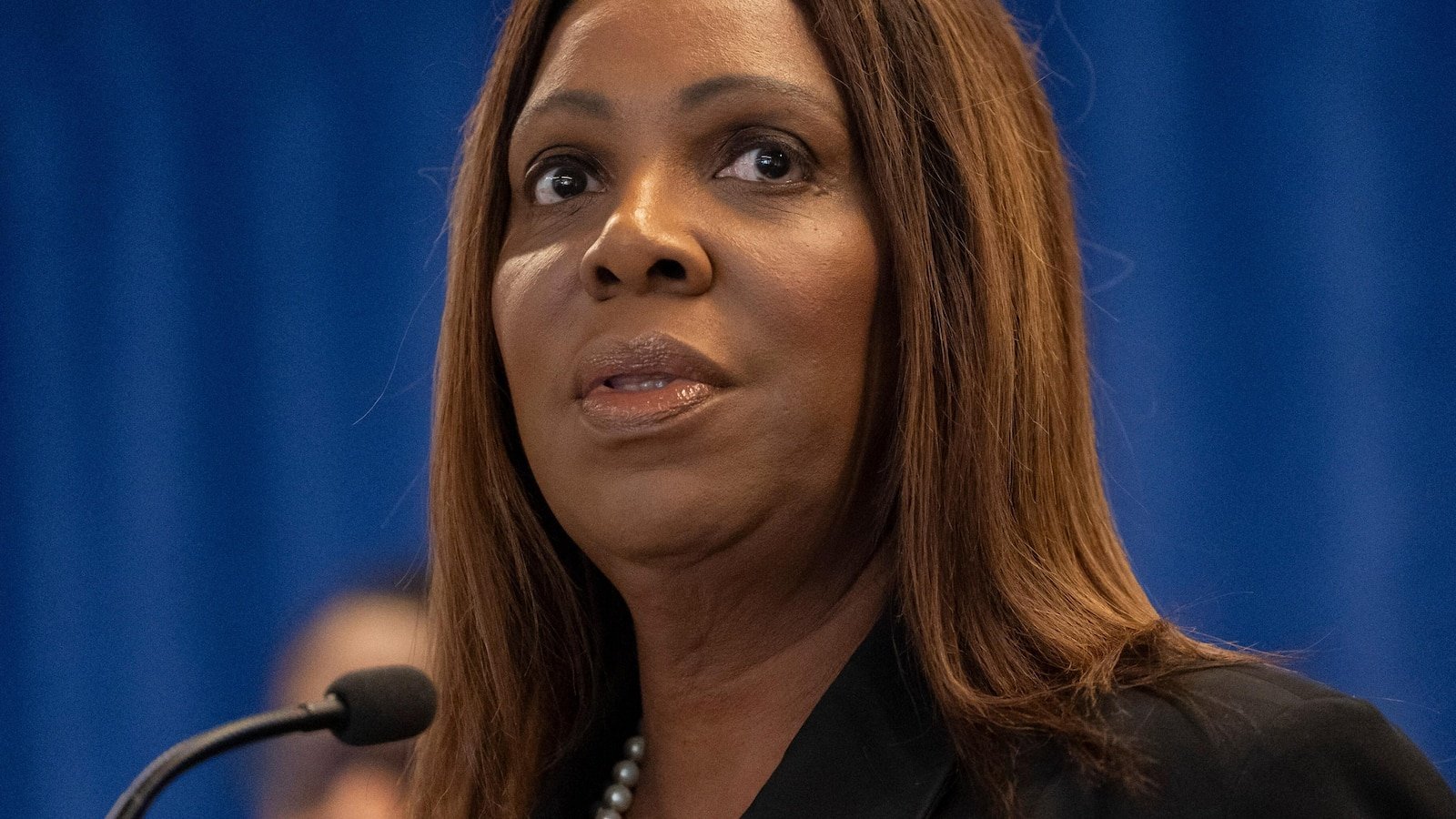
In response to the federal lawsuit, Attorney General Letitia James affirmed the legality of the Green Light Law, stating, “Our laws protect the rights of all New Yorkers and keep our communities safe.” This sentiment underscores the intent of the law, which aims to improve public safety by allowing more people to drive legally on the roads.
Judge Nardacci’s Analysis
Appointed by President Joe Biden, Judge Nardacci emphasized that her role was to interpret the Constitution rather than evaluate the policy behind the Green Light Law. In her 23-page opinion, she acknowledged that the Trump administration’s arguments did not meet the constitutional requirements to challenge a state law under the Supremacy Clause.
Features of the Green Light Law
The Green Light Law seeks to enhance road safety by allowing residents without valid Social Security numbers to apply for driver’s licenses through alternative forms of identification. These can include valid passports or foreign-issued driver’s licenses. To qualify for a standard driver’s license, applicants are still required to go through the usual process, which includes obtaining a permit and passing a road test. However, the law explicitly does not apply to commercial driver’s licenses.
Effects on Public Safety and Insurance
By enabling more individuals to obtain legal driving documentation, the Green Light Law helps to reduce instances of uninsured drivers on New York roads, thereby enhancing overall public safety. It also facilitates easier access to auto insurance for these individuals, further mitigating the risks associated with unlicensed driving.
Previous Government Actions
During the Trump administration, efforts were made to pressure New York into revising the law by restricting access to trusted traveler programs for residents of the state. These programs often allow for expedited security processes in airports. Governor Andrew Cuomo previously proposed limited access to federal driving records as a compromise but remained firm in protecting the privacy of applicants for the special licenses aimed at immigrants lacking proof of residency.
Conclusion: The Path Forward for New York’s Green Light Law
The recent ruling marks a significant legal victory for New York in its efforts to uphold the Green Light Law. As it stands, the law aims to serve not just as a public safety measure but also as a means of promoting equity and access for all residents of the state. The case also highlights the ongoing tensions between state and federal immigration policy, particularly in jurisdictions that are adopting more inclusive approaches.
For further information on related topics, consider exploring resources from NPR or the American Civil Liberties Union.
