


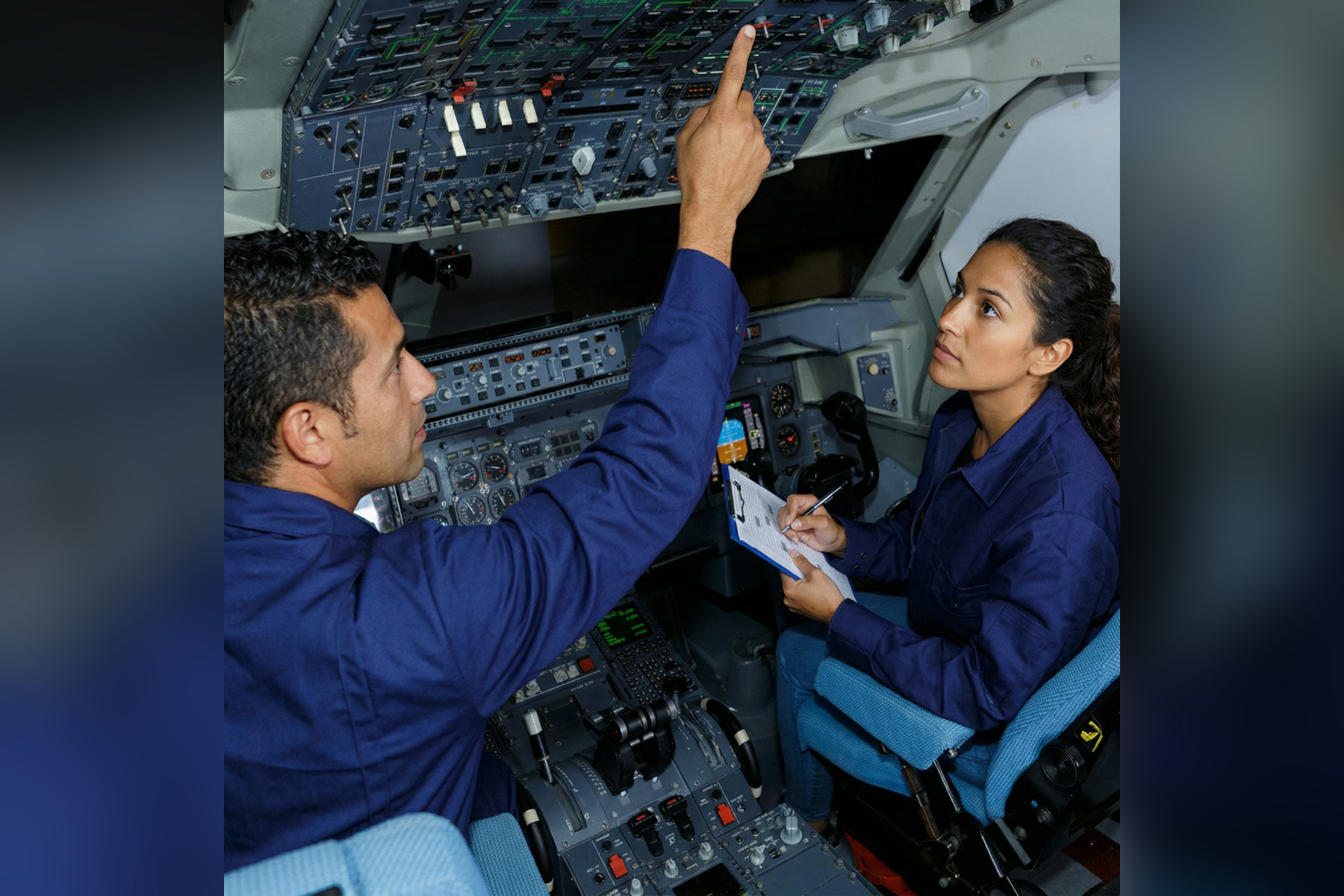
Avionic Technician Training: A Pathway to High-Demand Careers
In today’s rapidly evolving aviation industry, the need for highly skilled professionals trained in avionic systems is more critical than ever. Comprehensive programs specifically designed to equip students with the knowledge and skills necessary to install, maintain, troubleshoot, and repair electronic systems used in aircraft are now available.
The Importance of Avionic Systems
Avionic systems are essential for the safe operation of aircraft, encompassing a variety of functions such as communications, navigation, flight control, weather radar, autopilot, and in-flight entertainment. As technology advances, these systems become increasingly sophisticated, highlighting the urgent need for trained technicians who can ensure their functionality and reliability.
Educational Pathways: Adult and High School Programs
Two robust programs are designed to cater to aspiring avionic technicians. The Adult Program offers a streamlined pathway where students can earn a credential in as little as five months (16 weeks). In contrast, high school juniors and seniors enrolled in the high school program can obtain their credentials within a two-year timeframe (48 weeks).
Both programs cover a comprehensive curriculum that includes essential topics such as the fundamentals of avionics and adherence to Federal Aviation Administration (FAA) regulations. This multifaceted approach ensures that graduates are well-prepared for the demands of the industry.
Commitment to Skill Development
Carlos Margo, the dean for CATA, emphasizes the significance of this program in response to the increasing demand for avionic technicians in the Rio Grande Valley. He states, "The development of the program was based on the current and growing need for avionic technicians in the entire Rio Grande Valley.”
As regional airports expand and the number of aircraft requiring maintenance and repair rises, the urgency for qualified technicians becomes apparent.
SpaceX and the Future of Avionics
One of the key factors driving this growth is SpaceX, located in Cameron County. The presence of such cutting-edge aerospace companies increases the demand for avionic professionals skilled not only in aircraft systems but also in emerging technologies associated with spacecraft. Margo notes, “Our Avionics Program will also prepare students for the real-world application of skills needed for spacecraft.”
This innovative approach ensures that students receive comprehensive training that transcends traditional aircraft systems, equipping them with the future-ready skills that employers in both aviation and aerospace sectors are actively seeking.
Bridging Education with Industry Needs
The goal of this avionic training program is twofold: to prepare individuals for high-paying, sustainable careers, and to assist employers in achieving their strategic growth objectives. By supplying a well-trained workforce equipped with timely and relevant skills, graduates can meet the evolving demands of the industry effectively.
For more information on the avionic technician training program and its offerings, please explore FAA regulations and career opportunities in avionics.
Conclusion
The need for skilled avionic technicians is a pivotal aspect of the modern aviation industry. With dedicated programs tailored to cultivate expertise in this area, students have an exciting pathway to a rewarding career. Embracing both the current industry demands and future innovations, these training initiatives are set to shape the next generation of aerospace professionals who will navigate the challenges of tomorrow’s aviation landscape.
Investing in education today ensures a safer, more advanced aviation environment for all.
