


McAllen Police Chief Declares No Link Between Migrants and Local Crime
MCALLEN, Texas – In the wake of the Department of Defense’s recent announcement expanding a militarized zone along the U.S.-Mexico border, McAllen’s Police Chief Victor Rodriguez has firmly stated that there is no correlation between the influx of migrants crossing the Rio Grande and the crime rates within the city.
Record Low Crime Rates in McAllen
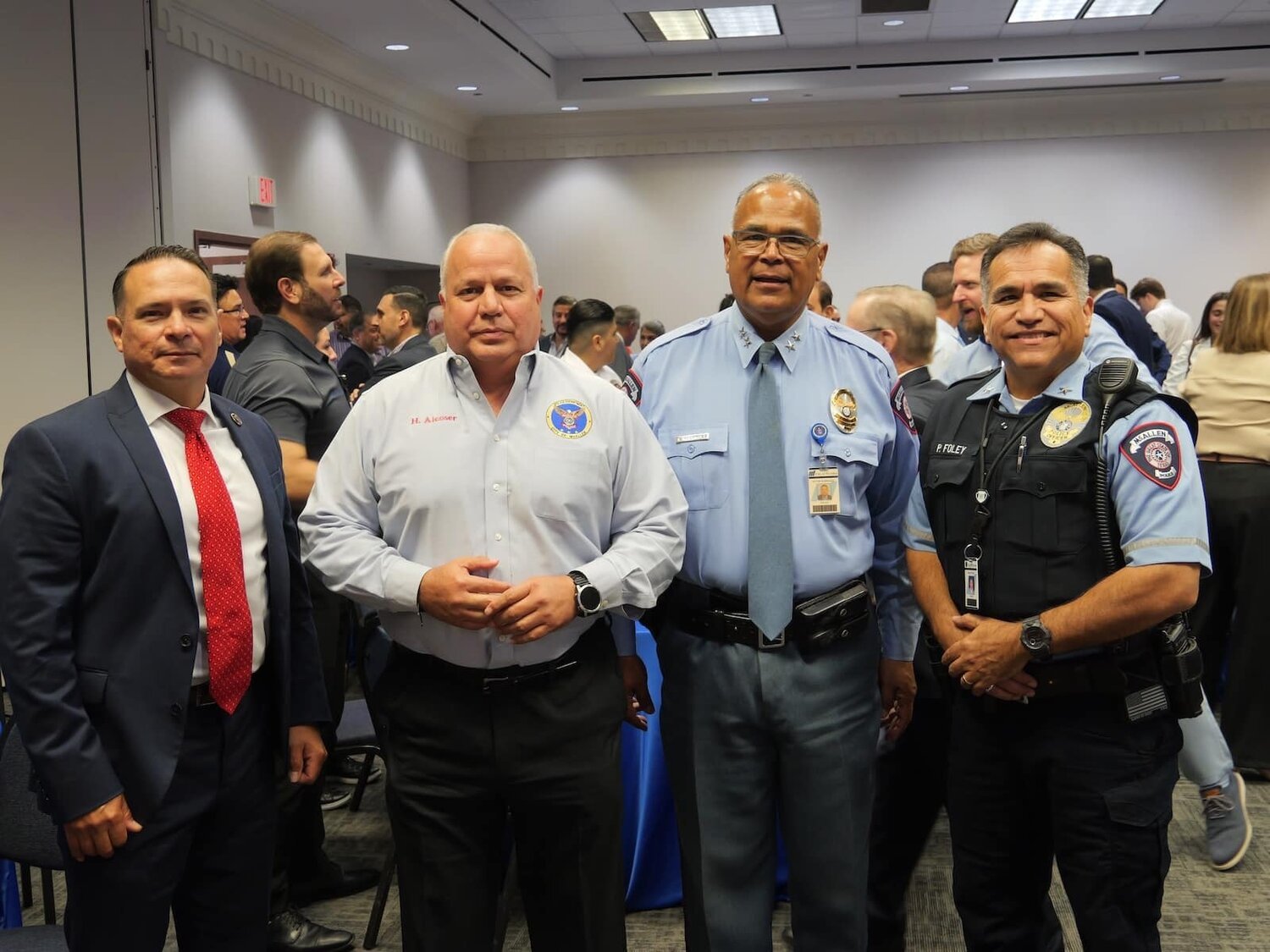
During a presentation of the McAllen 2024 Annual Crime Report, which took place at the McAllen Chamber of Commerce and was sponsored by McAllen International Airport and McAllen Crime Stoppers, Chief Rodriguez emphasized a significant shift in crime statistics. “This is our 17th crime reduction in the last 20 years,” he noted, adding that the city has recorded its lowest crime levels in 38 years—lower than figures reported since 1985.
In an exclusive interview with the Rio Grande Guardian, Rodriguez highlighted that regardless of fluctuating numbers of migrants crossing the Rio Grande, crime rates in McAllen continue to decline. “Crime has been going down consistently,” he stated, emphasizing the importance of understanding the local context versus the narrative that often circulates nationally.
Misconceptions about Immigration and Crime
Rodriguez expressed his frustration with the misconceptions prevalent outside the border region. “It has been difficult to convey that there is no connection between immigration and crime in McAllen,” he explained. Many people assume that an increase in migrant crossings equates to an uptick in criminal activity, a misconception he aims to dismantle.
“This is a crossing point, not a destination,” he clarified. Migrants are not crossing multiple countries to settle in McAllen; they are typically traveling onward to larger urban areas such as Houston, Dallas, Chicago, and Boston.
Crime Statistics Paint a Different Picture
In the interview, Rodriguez reflected on the national narrative surrounding immigration and crime, stating, “For 20 years, we’ve been seeing this narrative across the country. People come here looking for crime statistics, expecting the worst, when in fact, the numbers reveal a much different story.”
He reiterated that the data presented in the annual crime report showcases a trend of decreasing crime, further asserting that immigration does not adversely impact safety in McAllen. “People are crossing these border points, but their destinations are the larger cities in the United States,” he said.
Watch the full interview here.
The Expansion of the Militarized Zone
The Department of Defense’s decision to expand the militarized zone along the southern border comes amid growing concerns about illegal crossings. According to the Associated Press, the newly designated area involves a 250-mile stretch of border in Texas, allowing troops to detain individuals entering without proper documentation.
This militarized zone, now under the General Services Administration’s control, affects two Texas counties—Hidalgo and Cameron. It is essential to clarify the implications of this expansion and the need for dialogue between local leaders and federal authorities.
Local Leaders’ Response
Hidalgo County Judge Richard F. Cortez has acknowledged the Defense Department’s action but noted a lack of communication regarding the establishment of the national defense area. “These are uncertain times, and as Hidalgo County Judge, I welcome the brave servicemen and women who have volunteered to protect our nation,” Cortez stated. He urged the U.S. Air Force leadership to engage local officials to ensure a collaborative approach to safeguarding community interests.
Conclusion
In summary, the message from McAllen’s Police Chief Victor Rodriguez is clear: increased migration does not translate to increased crime in McAllen. Chief Rodriguez’s insights offer a poignant reminder that narratives surrounding immigration often overlook the nuanced realities of crime rates, particularly in border communities. As the Department of Defense continues to implement new measures, fostering communication between local governments and federal agencies will be crucial for ensuring that both security and community welfare are prioritized.
For those wishing to keep up with developments in local crime rates and immigration policies, it’s vital to refer to authoritative sources such as the U.S. Department of Defense and the Rio Grande Guardian.
