


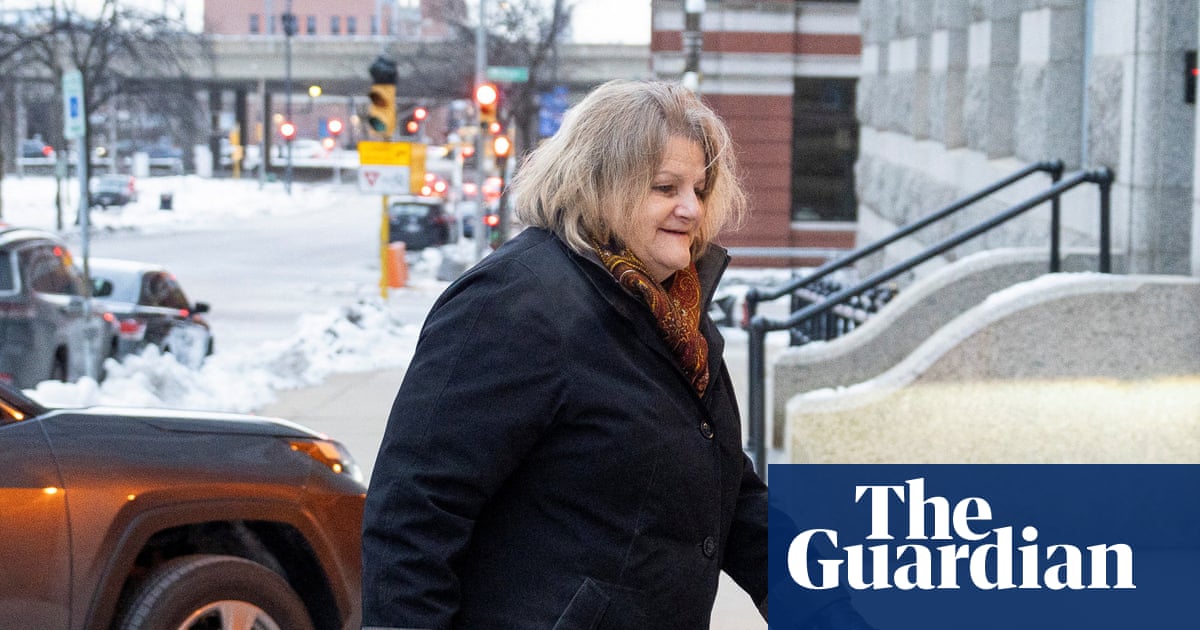
Wisconsin Judge Convicted of Obstruction in Immigration Case: Implications for the Justice System
Overview of the Case
In a landmark ruling that highlights the contentious intersection of immigration policy and the judiciary, a jury found Milwaukee County Circuit Judge Hannah Dugan guilty of obstruction. This case has attracted significant attention, particularly in relation to former President Donald Trump’s stringent immigration policies during his second term.
Charges and Court Proceedings
Dugan faced federal charges, including felony obstruction and misdemeanor concealment, after being accused of assisting a Mexican immigrant in evading federal authorities. The case arose amidst widespread enforcement actions as the Trump administration intensified efforts to target undocumented immigrants across the United States. Prosecutors argued that Dugan’s actions undermined the very fabric of judicial authority.
Jury Verdict
After approximately six hours of deliberation, the jury acquitted Dugan on the concealment charge but convicted her on the obstruction charge. The conviction carries a potential sentence of up to five years in prison. Although no sentencing date has been established, Dugan is expected to appeal the decision.
Political Ramifications
The case has become a flashpoint in the ongoing debate about immigration reform and judicial independence. The Trump administration labeled Dugan an “activist judge,” arguing that her actions represented a broader defiance against federal immigration laws. Conversely, many Democratic officials contend that the prosecution aimed to deter judges across the nation who oppose the administration’s draconian immigration measures.
Legal Representation’s Reaction
Dugan’s lead attorney, Steve Biskupic, expressed disappointment with the verdict and questioned the jury’s reasoning for the inconsistent verdict on related charges. Biskupic emphasized the similarities between the charges and the evidence presented during the trial.
US Attorney Brad Schimel, representing the government, maintained that the case was apolitical, urging respect for the jury’s decision. Schimel defended the agency’s approach to apprehending individuals in courthouses, citing safety and protocol, even as critics raised concerns about the ethics of such practices.
Details of the Incident
Dugan’s legal troubles began when the FBI arrested her, alleging that she had interfered with agents attempting to arrest Eduardo Flores Ruiz, an undocumented immigrant, at her courthouse. According to an FBI affidavit, Dugan is accused of misleading federal agents regarding their authority to detain Ruiz, advising them to consult with the chief judge instead.
Escaping Arrest
According to court findings, while law enforcement agents were distracted, Dugan allegedly facilitated Ruiz’s departure via a private exit. Agents later spotted Ruiz and apprehended him following a brief chase. Dugan was ultimately arrested alongside Ruiz, spotlighting the contentious nature of the case.
Trial Highlights
During the trial, the prosecution presented recorded courtroom audio in which Dugan is heard stating she would accept “the heat” for aiding Ruiz’s escape. The defense argued that Dugan was adhering to courthouse protocol, which mandates that employees report federal immigration agents. Dugan did not testify during the proceedings, creating additional speculation regarding her intent.
Advocacy Groups Speak Out
In the aftermath of the ruling, a coalition of advocacy organizations, including Common Cause Wisconsin and the League of Women Voters, urged higher courts to examine the constitutional implications of Dugan’s case, specifically addressing due process and the limits of judicial authority in the face of federal overreach.
Future Consequences
As a result of her conviction, Dugan has been suspended from her judicial duties. Wisconsin’s constitution prohibits convicted felons from holding public office, raising questions about her future role in the judiciary. Plans for further disciplinary action by the Wisconsin Judicial Commission are currently unclear.
National Implications
This case not only serves as a microcosm of the challenges within the current immigration enforcement climate but also raises larger questions about the balance of power between state judges and federal authorities. The perspective of immigration enforcement in courthouses has shifted dramatically, evoking strong reactions from varying sectors of society.
Conclusion
The conviction of Judge Hannah Dugan marks a pivotal moment in the ongoing debate over immigration policy and judicial roles in the United States. As Dugan prepares to appeal her obstruction conviction, the implications of this case will likely resonate within legal circles and beyond, challenging the limits of judicial authority in an era of heightened political scrutiny and contentious immigration policy.
For more information on immigration and the legal issues surrounding it, visit The Guardian.
