


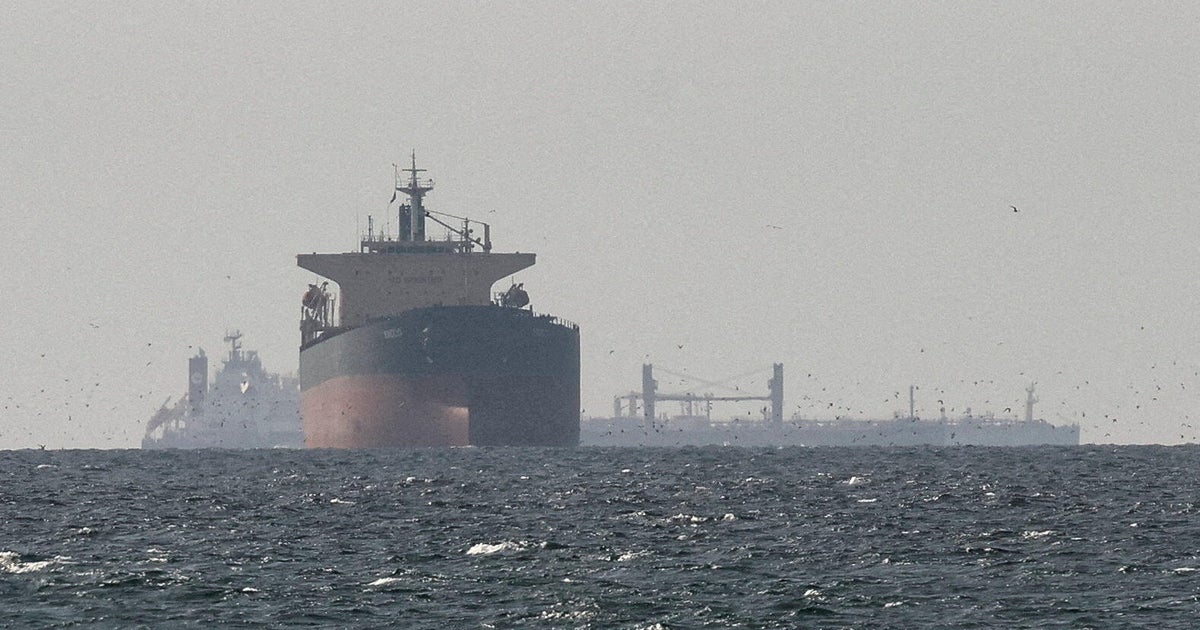
U.S. Blockade of Iranian Ports: Impacts on Maritime Traffic in the Strait of Hormuz
The recent U.S. blockade of the Strait of Hormuz has sparked significant interest and concern regarding the movements of Iranian-linked maritime traffic. This strategic waterway is a crucial route for oil exports and other maritime activities, making developments in this region critical for global economic stability.
An Overview of the U.S. Maritime Blockade
On Monday, the U.S. military initiated a comprehensive blockade targeting all maritime traffic entering and exiting Iranian ports. According to a statement from U.S. Central Command, the blockade aims to restrict Iran’s ability to transact through its maritime channels. However, it has been clarified that this blockade will not interfere with the freedom of navigation for vessels transiting to and from non-Iranian ports.
Key Maritime Movements Post-Blockade
Despite the blockade, tracking data indicates that several ships with links to Iran were recorded traversing the Strait of Hormuz shortly after the measure was implemented.
-
Cristianna: This ship was noted to have crossed the strait following its prior docking at the Iranian port of Bandar Imam Khomeini.
-
Ladonna: This vessel had been anchored at Bandar Imam Khomeini for a full week before activating its transponder and proceeding into the Persian Gulf on Tuesday.
-
Murlikishan: Under U.S. sanctions due to its connections with Iran, the Murlikishan moved west through the strait overnight.
-
Peace Gulf: While this tanker is not under sanctions, it had previously made a port call in Iran back in December 2025.
-
Rich Starry: Another tanker, which operates under a different name and is sanctioned by the U.S., was also seen sailing through the strait on the night of the blockade.
- Elpis: This sanctioned tanker reportedly came from the Iranian port of Bushehr and managed to navigate through the strait after the blockade took effect.
The Risks of Spoofing: Are Ships Concealing Their Locations?
As reported by CBS News, there is a level of uncertainty about whether the ships successfully traversing the strait are accurately reporting their locations. The use of spoofing—the act of broadcasting false location data—raises concerns about the reliability of the tracking information. This tactic could potentially be employed to obscure the true movements of vessels involved in maritime trade within this geopolitically sensitive region.
Conclusion: The Stakes in the Strait of Hormuz
The Strait of Hormuz continues to play a pivotal role in international maritime trade, especially concerning oil exports from the Middle East. The recent U.S. blockade introduces a new layer of complexity in this already volatile region. As ships navigate these waters, the implications of their movements are significant, both for the U.S. and for global markets.
For more information on U.S. military operations and coastal security, visit U.S. Central Command.
By understanding the intricate dynamics at play, stakeholders can better assess the ongoing risks and opportunities emerging from this critical maritime corridor.
