


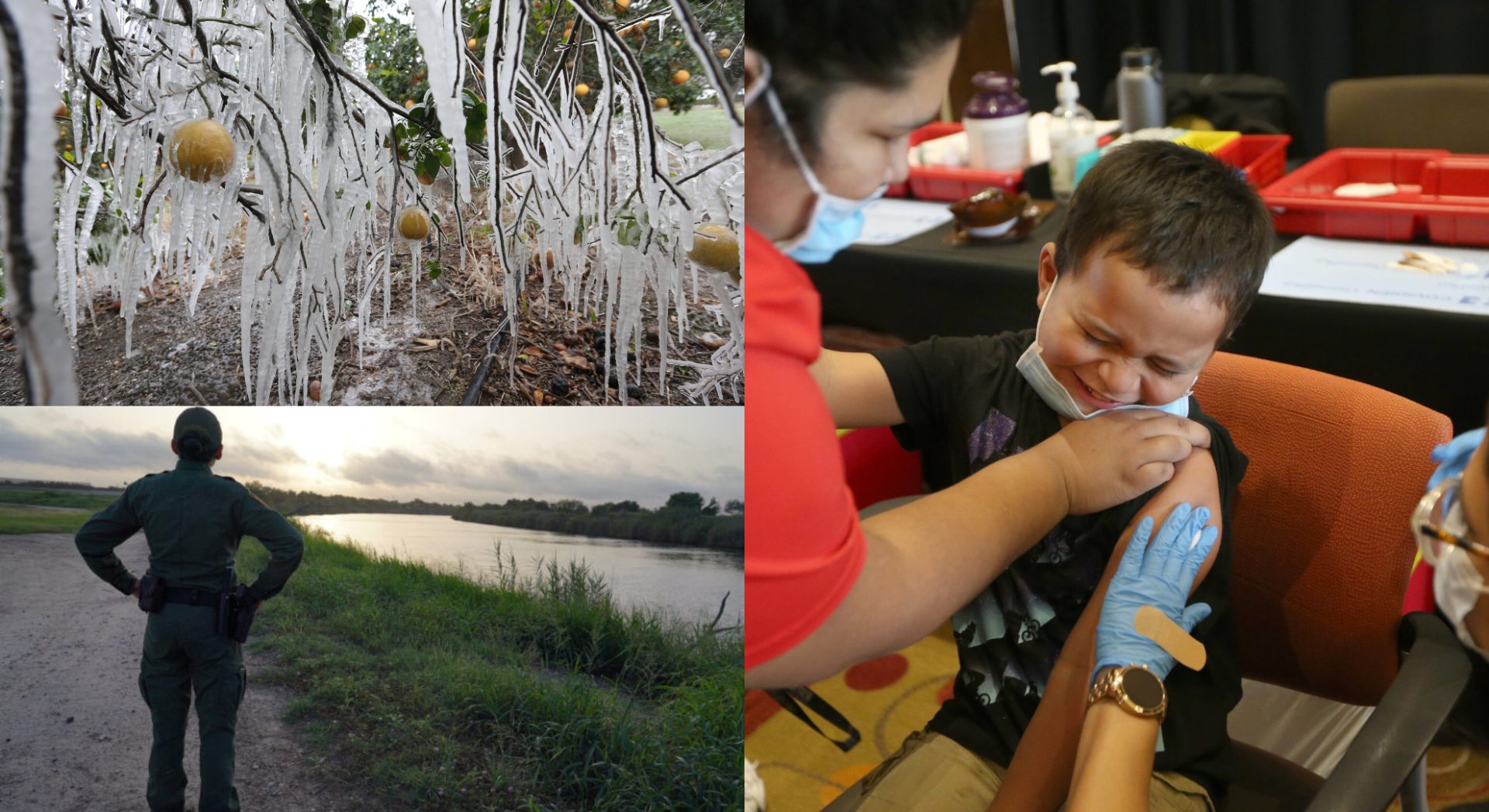
A Transformative Year in the Rio Grande Valley: 2021 Highlights
2021 proved to be a pivotal year for the Rio Grande Valley (RGV), as residents navigated the lingering effects of the COVID-19 pandemic, faced unprecedented weather challenges, and witnessed dramatic political changes. This article explores the significant events that shaped the RGV throughout the year, from vaccination efforts and environmental crises to immigration surges and political shifts.
Vaccination Efforts Against COVID-19
As the world entered the second year of the COVID-19 pandemic, the residents of the Rio Grande Valley demonstrated a strong commitment to returning to normalcy. The vaccination rollout began in December 2020, focusing initially on front-line medical workers. By March 29, 2021, the eligibility expanded to all adults, marking a crucial turning point. At that point, about 15% of the population had been fully vaccinated, with over 25% having received at least one dose.
By mid-May, roughly 38% of the RGV population had completed their vaccinations, surpassing national averages. Presidential goals aimed for 70% adult vaccination by July 4. In the Valley, 78% of adults had received at least one dose, with 67% fully vaccinated. Remarkably, during the summer, vaccination efforts surged again as concerns mounted over the Delta variant.
Local initiatives played a significant role in encouraging vaccinations, including monetary incentives for residents getting vaccinated at local clinics. By December 23, 2021, an impressive 86% of the Valley’s population had received at least one vaccine dose, with 69% fully vaccinated and approximately 16% having received booster shots.
Winter Storm Uri: A Devastating Force
The year took a catastrophic turn in February when Winter Storm Uri swept across Texas, leaving millions without power. Power demand skyrocketed just as generation capacity plummeted, leading the Electric Reliability Council of Texas (ERCOT) to implement rolling blackouts. Unfortunately, these outages turned into days-long power loss for many residents.
More than 10 million people experienced power outages during this crisis, leading to an estimated $130 billion in economic damages. Fatalities linked to the storm became a tragic footnote, with officials confirming that 237 lives were lost, and some estimates suggested the actual toll could be closer to 1,000.
Immigration Surge and Border Challenges
As the COVID-19 pandemic confined many to their homes, thousands fled their countries, seeking refuge from violence and economic struggle. February saw a notable uptick in migrant encounters, particularly at the Brownsville bus station. U.S. Customs and Border Protection (CBP) struggled to cope, leading to the creation of temporary processing sites in Donna.
As the volume of arrivals increased dramatically, disturbing images surfaced of overcrowded facilities, especially with unaccompanied minors. Local and federal agencies faced overwhelming challenges in processing these migrants, sparking intense public and political scrutiny.
Texas Governor Greg Abbott initiated Operation Lone Star, aiming to bolster state border security. This operation coincided with significant political maneuvering, including discussions about creating new fencing and immigration law enforcement initiatives.
Political Landscape Transformations
2021 brought significant political changes to the RGV, culminating in high-profile elections and contentious retirements. Longtime McAllen Mayor Jim Darling opted against running for reelection, paving the way for Javier Villalobos to be elected as his successor. In Edinburg, Ramiro Garza emerged victorious against Richard Molina amid ongoing voter fraud allegations.
Retirements of key political figures further amplified the shifting landscape. State Senator Eddie Lucio Jr. announced he would not seek reelection, triggering a crucial primary race that raised eyebrows in Cameron County. U.S. Representative Filemon Vela also opted out of the upcoming elections, leading to redistricting efforts that stirred controversy and legal challenges.
The redistricting process, often fraught with disputes, has historically impacted representation among different communities. Allegations of gerrymandering emerged, particularly concerning District 15, which was drawn to favor GOP candidates.
Importantly, demographic shifts among voters showed an increasing trend of Hispanic community members aligning with the Republican party, driven by concerns over law enforcement policies and social issues.
Conclusion: A Year of Resilience and Change
The events of 2021 in the Rio Grande Valley encapsulate a journey marked by challenges and adaptability. Amid vaccination drives, natural disasters, and political upheavals, the resilience of the Valley’s residents became evident as they navigated through one of the most transformative years in recent history. As we step into 2022, the lessons learned and changes made will undoubtedly influence the future landscape of the Rio Grande Valley.
For more in-depth coverage of key events in the RGV, check out additional resources on vaccination efforts, political changes, and immigration challenges.
