


Hezbollah’s Stance on Upcoming Lebanon-Israel Talks: A Firm Rejection
BEIRUT (AP) — The Lebanese militant group Hezbollah has made it unequivocally clear that it will not accept any agreements that might emerge from the ongoing direct talks between Lebanon and Israel in the United States. This assertion comes from a senior official, who emphasized the group’s firm opposition to the negotiations that are set to unfold.
Hezbollah’s Perspective on the Negotiations
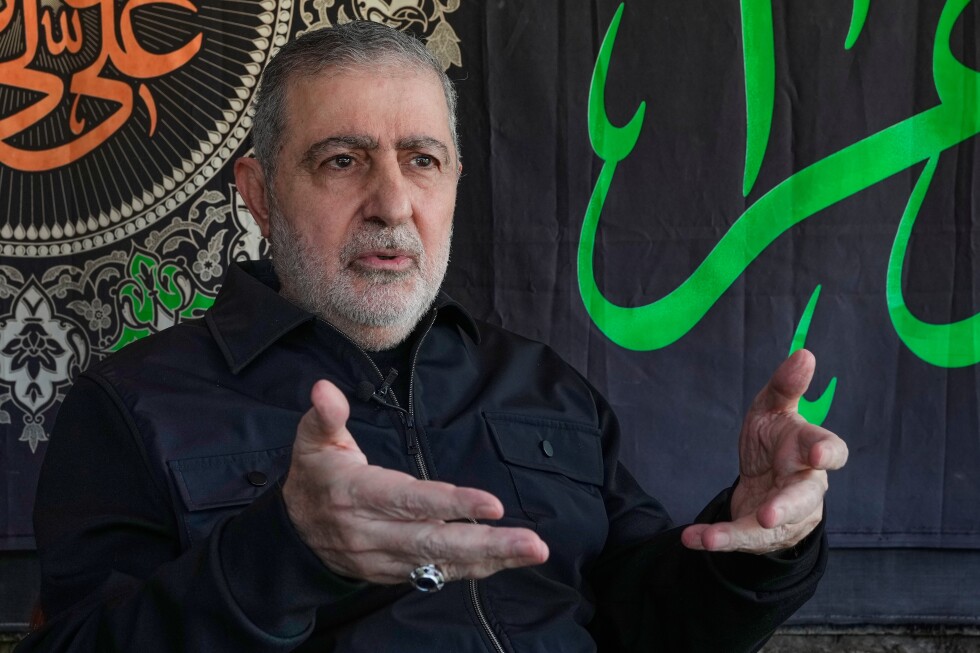
Wafiq Safa, a high-ranking member of Hezbollah’s political council, expressed the group’s disinterest in the outcomes of this unprecedented dialogue. “As for the outcomes of this negotiation between Lebanon and the Israeli enemy, we are not interested in or concerned with them at all,” he stated in an interview. This is particularly significant given that the talks are the first face-to-face encounters between Lebanese and Israeli envoys in decades, as both nations have had no formal diplomatic relations.
Safa underscored that Hezbollah will not be bound by any agreements reached during these negotiations. His comments came against the backdrop of heightened tensions, as an Israeli drone loomed overhead during his interview.
The Context of the Negotiations
Lebanese officials are seeking to broker a ceasefire in the ongoing conflict between Hezbollah and Israel during the anticipated discussions in Washington. Meanwhile, Israeli Prime Minister Benjamin Netanyahu has openly stated that his administration’s objectives include the disarmament of Hezbollah and potentially establishing a peace agreement between Lebanon and Israel. However, a spokesperson for Netanyahu has clarified that there will be no ceasefire with Hezbollah.
Moreover, recent U.S.-Iran peace talks held in Pakistan aimed to incorporate Lebanon into any resulting ceasefire arrangements—a proposition rejected by both Israel and the U.S.
Escalating Conflict in the Region
Shortly after a truce was announced between Tehran and Washington last Wednesday, Israel executed over 100 aerial strikes on various target locations across Lebanon, including busy residential and commercial districts in central Beirut. Although these attacks have ceased in Beirut and its southern suburbs, intense clashes continue in southern Lebanon, further complicating the already tense regional situation.
Safa indicated that Hezbollah has been made aware of Iran’s efforts to negotiate a cessation of attacks across the Beirut area, emphasizing the strategic importance of the Hezbollah stronghold known as Dahiyeh.
Hezbollah’s Role in the Ongoing War
Since its inception in the 1980s, Hezbollah has played a significant role in various conflicts against Israel, initially forming as a resistance movement against Israeli occupation in southern Lebanon. The current phase of hostilities reignited on March 2, shortly after the U.S. and Israel initiated a military campaign against Iran. In response, Hezbollah launched missiles into Israeli territory, prompting significant retaliatory actions from Israel.
The repercussions of this aggression have been catastrophic; more than 1 million people have been displaced, and over 2,000 lives—including those of women, children, and medical workers—have been lost. Many Lebanese citizens blame Hezbollah for dragging the nation into this prolonged conflict, claiming the group acts at the behest of Iran.
Safa framed Hezbollah’s military engagement as preemptive, stressing that the organization perceived an imminent threat from Israel preparing for further aggression. He characterized the group’s intervention as a necessary measure to establish a new deterrent against Israeli incursions, denying any prior agreements with Tehran that would trigger Hezbollah’s involvement should Iran be attacked.
The Fallout from ‘Black Wednesday’
The recent intensification of violence culminated on what has been termed "Black Wednesday," where Israel reported the death of over 250 Hezbollah militants during its strikes, while Lebanese health officials indicated that more than 350 individuals lost their lives, including many civilians. Safa contested Israel’s assertions, reaffirming that none of Hezbollah’s key officials were among the fatalities in Beirut, emphasizing that civilian casualties should not be overlooked.
In a televised address, Hezbollah’s leader, Naim Kassem, condemned the idea of Lebanon participating in direct negotiations with Israel, describing them as a “free concession” to both Israel and the U.S.
Tenuous Relations with the Lebanese Government
Tensions between Hezbollah and the Lebanese government have increasingly soured amid these ongoing conflicts. Last year, the government passed a plan aimed at disarming all non-state militias. Following the escalation of conflict on March 2, the government declared Hezbollah’s armed wing illegal, creating further rifts.
Safa indicated that Hezbollah is not presently engaging directly with President Joseph Aoun or Prime Minister Nawaf Salam, opting instead for communication through Parliament Speaker Nabih Berri, the head of the pro-Hezbollah Amal party. He did, however, express Hezbollah’s willingness to negotiate over the fate of its arms contingent upon a ceasefire and the withdrawal of Israeli forces.
“The issue of resistance weapons is a Lebanese matter that has nothing to do with Israel or the United States,” Safa stated, underscoring Hezbollah’s position as not only a militant faction but a significant political entity within Lebanon’s landscape.
In the face of rapidly evolving dynamics, the future of Lebanon-Israel relations remains precarious, with Hezbollah firmly asserting its stance amid calls for resolution and peace.
