


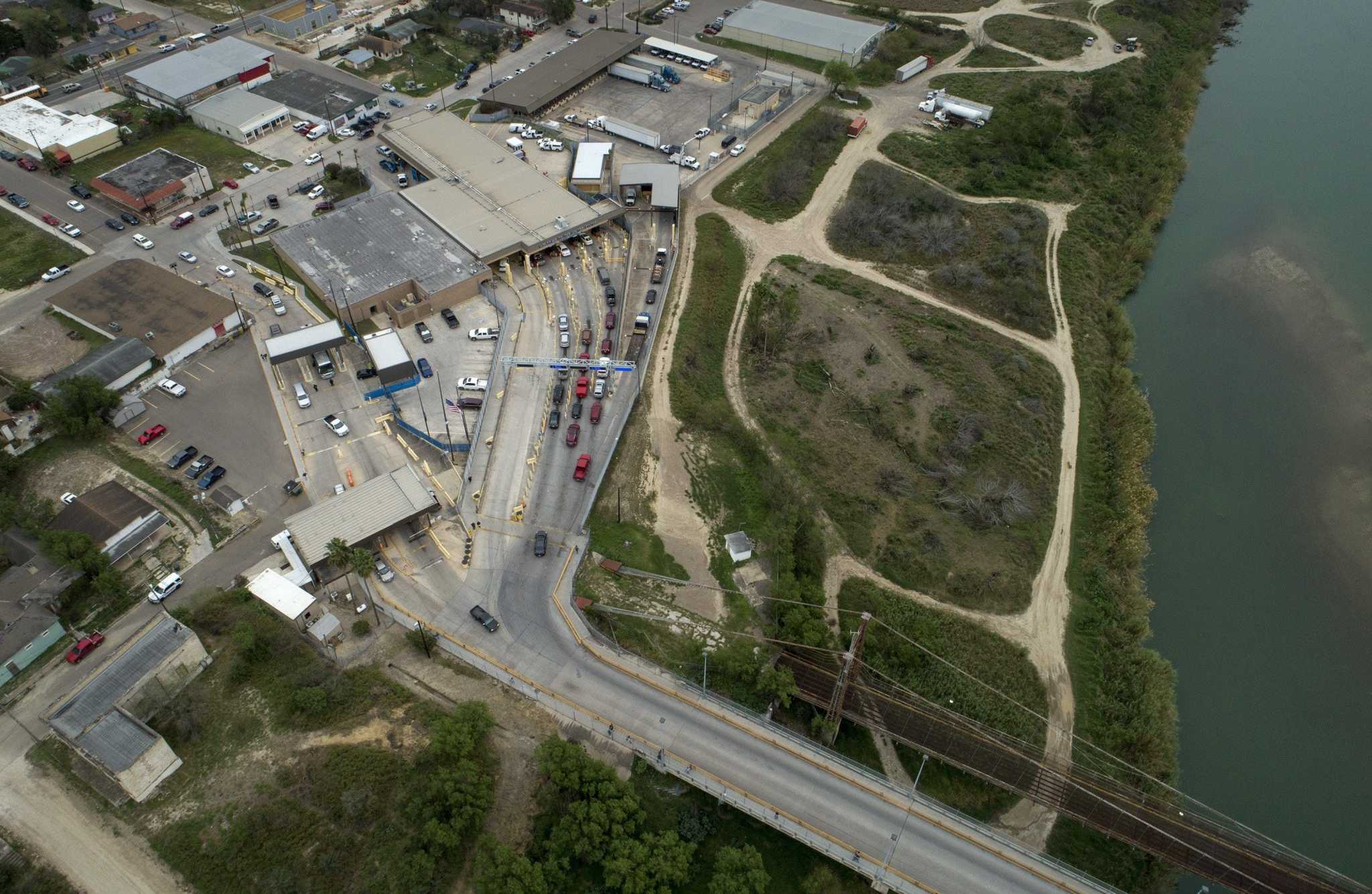
Exploring the Rio Grande: A Natural Border Between Texas and Mexico
The Rio Grande serves as a significant natural boundary between the United States and Mexico, stretching from Roma, Texas, to Ciudad Miguel Alemán, Tamaulipas. This majestic river is not only vital for the ecosystem but also plays an essential role in the socio-economic landscape of the region.
Overview of the Rio Grande
The Rio Grande is one of the longest rivers in North America, flowing approximately 1,896 miles. It originates in the San Juan Mountains of Colorado and eventually meets the Gulf of Mexico. Along its journey, it forms part of the border between the United States and Mexico, making it a crucial geographic and cultural landmark.
Historical Significance
Historically, the Rio Grande has been an essential water source for Native American tribes and later for settlers. Its banks have witnessed significant events shaping both nations’ histories. The river has also been a focal point of discussions concerning immigration, trade, and environmental issues.
Environmental Importance
The Rio Grande basin is home to diverse ecosystems, supporting various species of flora and fauna. The wetlands along the river’s edge provide vital habitats for migratory birds and other wildlife. Conservation efforts are critical to protect these habitats from pollution and development pressures.
Economic Impacts
The river is not just a dividing line; it’s a lifeline. Agriculture in the surrounding areas heavily relies on the river for irrigation. Crops such as cotton, citrus fruits, and vegetables thrive due to the water supplied by the Rio Grande. Local economies in both Roma, Texas, and Ciudad Miguel Alemán benefit from the agricultural activities driven by this essential resource.
Cross-Border Relations
The Rio Grande is more than a boundary; it is a bridge for commerce and cultural exchange. Communities on both sides share economic ties, with trade crossing the river daily. Despite political tensions, many families maintain relationships across the river, highlighting the interconnectedness of both regions.
Upcoming Developments: The Border Wall
Recent discussions have brought attention to the potential construction of a border wall along the riverfront below the bluffs in Roma, Texas. The proposed wall aims to address security concerns but raises questions about its environmental impact and implications for local communities.
Environmental Concerns
Building a wall could disrupt delicate ecosystems, leading to habitat loss for numerous species. Environmentalists have voiced concerns over potential flooding and water runoff issues that could arise from the construction. For more information on the environmental implications, you can visit the Environmental Protection Agency.
Community Perspectives
Local residents have mixed feelings about the construction. Some see it as a necessity for security, while others fear it could inhibit cultural and economic exchange. Ongoing community discussions emphasize the importance of considering local voices in the decision-making process. For a deeper understanding of community perspectives, check out the American Civil Liberties Union.
Conclusion
The Rio Grande is more than just a river; it is a vital resource that enriches life on both sides of the border. As discussions surrounding the future border wall continue, it is essential to consider the various implications—environmental, economic, and cultural—this project may have. Understanding the complexities of this region is key to fostering a more harmonious relationship between the United States and Mexico.
For more on the history and significance of the Rio Grande, visit National Geographic.
