


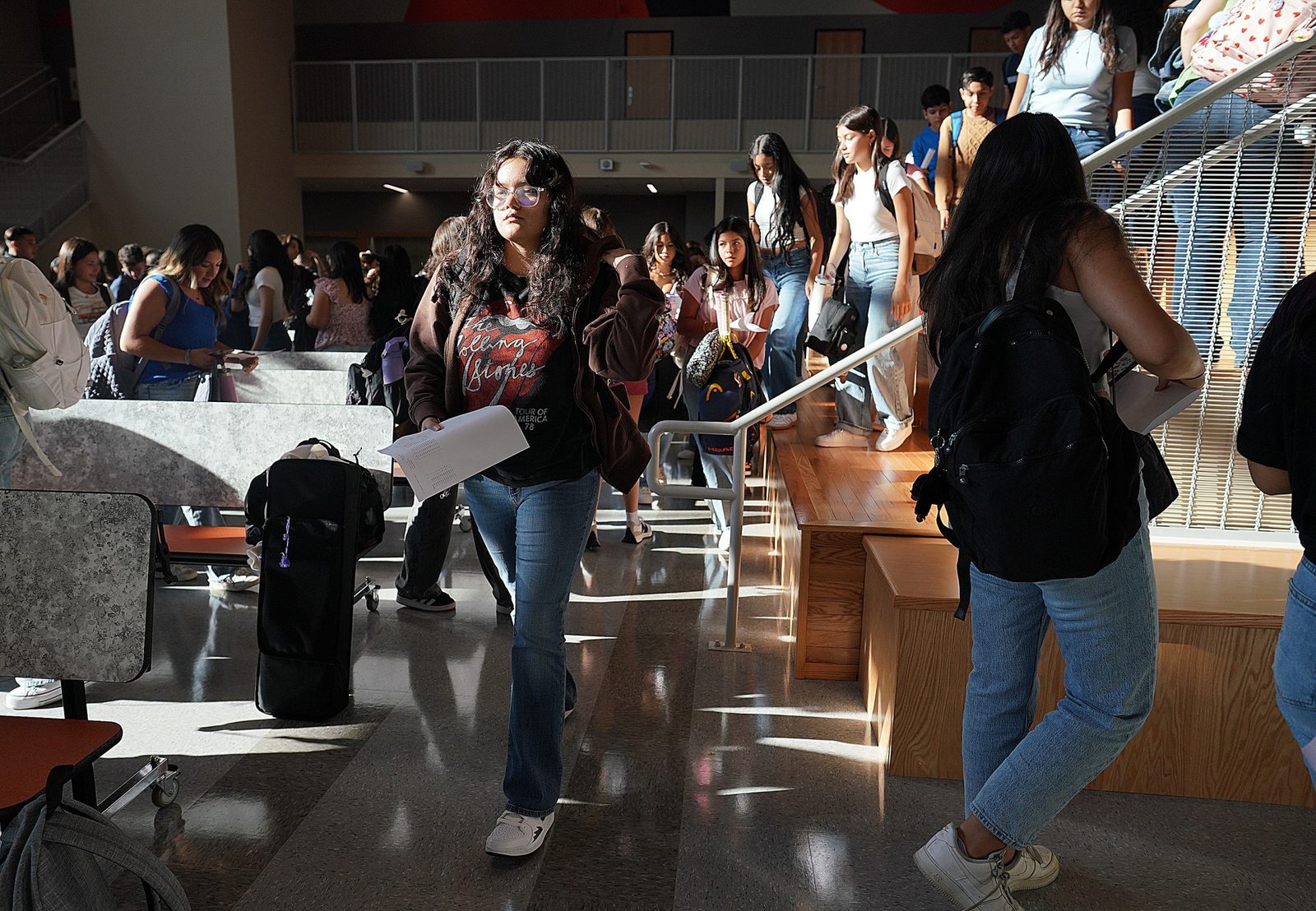
The Educational Landscape of the Rio Grande Valley: Overcoming Pandemic Challenges
Introduction
The Rio Grande Valley (RGV) has emerged as a remarkable case study in educational advancement. Over recent years, community efforts have significantly elevated the academic achievements of students in this historically underserved region. This progress is the result of concerted efforts from local leaders, educational institutions, and families to tackle long-standing challenges head-on. However, the onset of the COVID-19 pandemic has posed new hurdles, leading to a drop in student enrollment and learning outcomes. This article explores the current state of education in the RGV, addressing both achievements and ongoing challenges.
The Rise of Educational Opportunities in the RGV
Community Commitment to Education
Historically, the Rio Grande Valley has faced educational challenges, but recent years have seen transformative changes. Community leaders, educators, and institutions have collaborated to emphasize the importance of education. As a result, Texas State Universities have expanded their presence in the Valley, providing essential resources and support. Community colleges, too, have stepped up, developing new programs and infrastructure while offering baccalaureate degrees.
High School to College Pipeline
Local educational institutions have worked closely with school districts to create pathways for students that allow for earning college credits while still in high school. This initiative gives students a crucial head start, motivating them to pursue higher education. As a result, high school completion rates have surged, and many students are now enrolled in college programs.
The Impact of the COVID-19 Pandemic
Disruption in Education
The COVID-19 pandemic brought unprecedented disruption to educational systems globally, including the RGV. Many schools and businesses closed, leading to significant learning losses. Although remote learning was introduced, many students struggled to adapt, facing challenges in accessing online platforms and receiving the necessary support.
Enrollment Challenges
As schools reopened, they encountered lower-than-anticipated enrollment figures. The effects of prolonged isolation and a lack of direct instruction have been pronounced, with many students returning showing signs of educational regression. Some students did not return at all, leading to a concerning trend of chronic absenteeism.
According to reports, across the country, schools are grappling with significant numbers of students who have either dropped out or continue to miss classes frequently, leading to serious academic repercussions.
The Broader Societal Implications of Educational Backsliding
The ramifications of decreased educational attainment extend far beyond individual students and their families. A lack of educated individuals hinders economic growth and productivity. Insufficient academic achievements can limit job opportunities and career advancement, not just for the students themselves but for the community as a whole.
Addressing the Crisis
In response to these challenges, educators and local organizations are taking proactive measures. The Region One Education Service Center is leading efforts to implement dropout recovery programs aimed at helping students complete their secondary education. Many schools are also developing alternative educational programs, including GED equivalency certification courses.
Encouraging Student Re-Engagement
Despite the availability of these programs, a significant hurdle remains: motivating students who have dropped out or missed extensive school days to return. Some may feel that they’ve fallen too far behind academically to catch up, while others have found employment during the pandemic that competes with their educational pursuits.
Moving Forward: A Call to Action
It is crucial for students and families in the RGV to recognize the long-term benefits of education that extend beyond immediate, short-term job opportunities. Research shows that higher education levels correlate with increased lifetime earnings. The local community must rally together to encourage students to take advantage of the available resources and educational opportunities, helping them get back on track towards achieving their academic goals.
Conclusion
While the Rio Grande Valley has made impressive advancements in education, the challenges posed by the COVID-19 pandemic have revealed significant areas for improvement. However, through community collaboration and the determination of its residents, there remains a pathway to overcoming these obstacles. By prioritizing education, the RGV can foster a new generation of learners prepared to contribute positively to society, ensuring that the gains made are not lost, but instead, built upon for a brighter future.
For more insights into educational policies and programs that can help transform communities, explore resources at Ed.gov and The Education Trust.
