


Dutch Election Results: A New Dawn for the Centrist D66 Party
In a tightly contested election in the Netherlands, the centrist D66 party, under the leadership of Rob Jetten, has emerged victorious, eclipsing the far-right Freedom Party (PVV) helmed by nationalist Geert Wilders. As we explore this pivotal moment in Dutch politics, we’ll dive into what the results mean for the country’s future and the broader European landscape.
Election Outcome: A Shift in Power
The latest projections indicate that the D66 party, championing social liberalism and pro-European policies, secured about 18% of the vote, giving it a slender plurality in the 150-seat Lower House. This marks a dramatic resurgence for the party, which nearly tripled its seat count compared to the previous election due to a well-orchestrated campaign and increased advertising efforts.
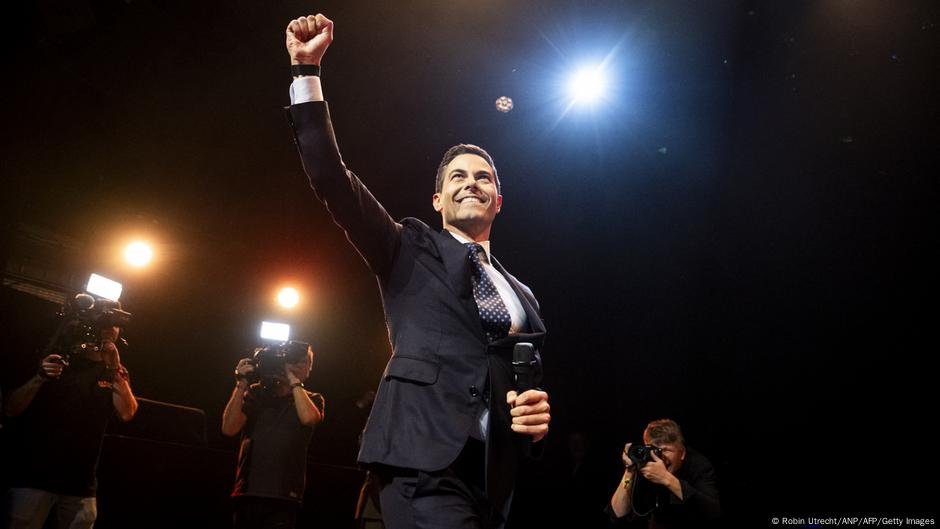
Jetten expressed his elation over the results, stating, “I am incredibly happy that we have become the biggest party in this election. A historic result for the D66. At the same time, I feel a great responsibility.” If confirmed, he will be one of the youngest prime ministers in Dutch history.
Coalition Challenges Ahead
Despite the D66’s victory, forming a government will require meticulous coalition negotiations with at least three other parties, a process often expected to stretch over several months given the fragmented Dutch political landscape. All major centrist and left-wing parties have ruled out a coalition with Wilders due to his hardline immigration stance and controversial suggestions regarding the Quran.
Against this backdrop, Jetten is poised to take the lead in these negotiations, potentially redefining the Netherlands’ approach to key issues such as climate policy, affordable housing, and institutional trust.
Wilders’ Diminished Influence
While Wilders’ PVV had a significant hold in the previous election, the latest tally shows the party losing considerable momentum. A late surge during the counting process led to fleeting hopes for a different outcome, but it became increasingly clear that the D66 party had cemented its lead.
In addressing the results, Jetten emphasized a crucial message: “I think we’ve now shown to the rest of Europe and the world that it is possible to beat the populist movements if you campaign with a positive message for your country.” This statement resonates with the rise of centrist views in contrast to the prevailing populist trends across Europe.
Implications for European Politics
The Dutch elections are indicative of broader trends within European politics, where far-right movements have gained traction in countries like France, Germany, and Britain. Wilders’ attempt to reshape politics by withdrawing the PVV from a fragile coalition government underscores the tensions surrounding immigration and related issues that are affecting the social fabric in many nations.
With the final confirmation of results awaited once mail ballots from Dutch citizens abroad are counted, political observers will continue to scrutinize the Dutch elections as a significant event within the EU’s fifth-largest economy.
Conclusion: A New Chapter for the Netherlands
As the D66 party prepares for coalition talks and the potential ushering in of a new governance style, the outcome of the Dutch elections serves as a barometer for the future of centrist parties in Europe. Jetten’s leadership, coupled with the D66’s policy platforms on pressing issues, places the party in a critical position to influence not only national policies but also the broader European political environment.
With the shifting sands of Dutch politics, many will be watching to see how the D66 navigates the complexities of coalition-building and governance in the months ahead, heralding a new chapter in the Netherlands’ political landscape.
