


COP30 Climate Summit: Outcomes and Insights from Belém, Brazil
The COP30 climate summit concluded recently in Belém, Brazil, but its results have left many in the environmental sector frustrated. The agreement reached at the summit notably lacked any direct references to fossil fuels despite substantial calls for more decisive action from over 80 countries, including influential players like the UK and EU. As climate discussions intensified, the summit’s focus on fossil fuels became a contentious point, illustrating the deep divide among nations on how to balance economic growth with pressing climate action.
A Divided Consensus on Fossil Fuels
At the heart of COP30 was a plea for urgent commitments to phase out fossil fuels—oil, coal, and gas. Countries advocating for stronger measures found themselves at a stalemate with oil-producing nations, which prioritized their economic interests, asserting that they required time to utilize these resources for growth. The end result was the Mutirão Agreement, which calls upon nations to "voluntarily" enhance their efforts to reduce fossil fuel consumption. The absence of robust language addressing fossil fuel usage raised alarms about the effectiveness of current climate negotiations.
Notably, Colombia’s Climate Delegate, Daniela Durán González, criticized the handling of discussions, emphasizing that over 75% of global greenhouse gas emissions stem from fossil fuels. She cited the urgent need for the UN Climate Convention to confront this substantial reality.
A Challenging Negotiation Process
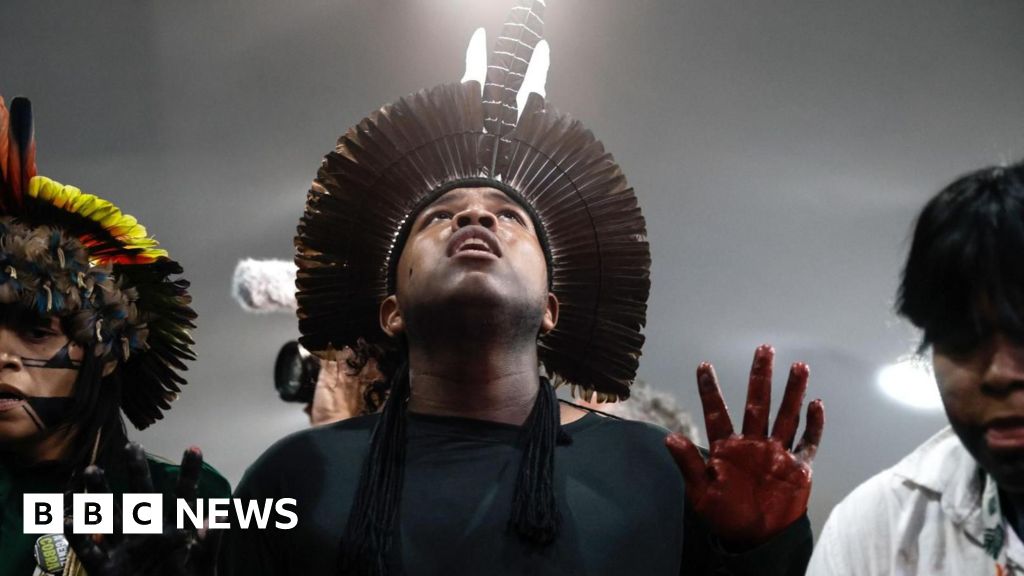
The summit was not without its challenges. Delegates faced logistical hiccups, including a lack of water in restrooms and severe weather conditions that flooded parts of the venue. Tensions escalated when representatives from various nations, including a protest by about 150 advocates against deforestation, highlighted the urgency of the issues at hand.
The notable absence of a U.S. delegation, attributed to Donald Trump’s withdrawal from the Paris Agreement, further complicated negotiations. Veteran climate negotiator Jennifer Morgan indicated that this gap created a significant void in opposing fossil fuel resistance, making progressive discussions more difficult.
Global Insights and Reactions
Despite the apparent setbacks, some nations found positives in the outcomes of COP30. India referred to the agreement as "meaningful," while representatives from small island nations characterized the deal as an "imperfect" step toward progress. In addition, pledges for increased climate financing for developing countries were a point of satisfaction, emphasizing the historical responsibility of high-emission countries.
Moreover, discussions on financing focused on aiding impoverished nations in adapting to climate impacts, a positive outcome highlighted by Sierra Leone’s Environment Minister, Jiwoh Abdulai.
Brazil’s Dual Role
While Brazil aimed to spotlight the Amazon rainforest at the summit, it faced scrutiny regarding its own fossil fuel plans, including proposed drilling at the mouth of the Amazon. Brazilian President Luiz Inácio Lula da Silva initiated the talks with a commitment to funding aimed at preserving tropical forests, garnering at least $6.5 billion in pledges, even before the meeting concluded.
However, the inconsistency between Brazil’s advocacy for forest protection and its willingness to increase offshore drilling raised questions about the nation’s commitment to sustainable practices.
The Road Ahead: Striving for Action
Ultimately, while COP30 emphasized continued dialogue, the lack of concrete commitments regarding fossil fuel reduction has left many advocating for climate justice dissatisfied. Despite UK Secretary of State Ed Miliband’s remarks that progress has been made, the overall sentiment reflects a longing for more ambitious commitments from all countries involved.
The summit also established a commitment among over 90 nations to develop a global roadmap aimed at combatting deforestation. This project marks a crucial step toward addressing one of the primary environmental crises linked to climate change.
In conclusion, the recent COP30 climate summit in Belém highlights the complex tapestry of global interests surrounding climate negotiations. As discussions continue, the path toward tangible climate action remains fraught with challenges, but the importance of maintaining these conversations is undeniable. As nations grapple with economic realities and environmental responsibilities, the world watches closely for signs of meaningful progress.
For further reading and updates on climate change initiatives, visit the UN Climate Change website or check out the BBC’s Climate section for the latest news and insights.
