


Texas Weather Update: Anticipating a Hotter, Drier Summer
As summer unfolds, Texas is facing intense heat patterns due to a persistent heat dome that has settled over much of the United States. This climate phenomenon is pushing temperatures upward and significantly impacting rainfall across the state.
Current Weather Situation
Recent forecasts indicate that parts of Texas will experience above-normal temperatures paired with below-normal rainfall through at least the second week of August. High temperatures are expected to consistently reach the upper 90s and low 100s, causing concern for residents and local agriculture alike.
Despite the soaring temperatures, it’s important to note that the overall number of days reaching the century mark has remained relatively low this summer. In Austin, for instance, only five days have hit the 100-degree mark, a stark contrast to 32 days recorded last year and a staggering 80 days in 2023. This summer’s weather appears to be calmer compared to recent summers.
Long-Term Outlook: August Through October
The National Oceanic and Atmospheric Administration (NOAA) has recently released its three-month outlook covering August, September, and October. The forecast indicates that Texas will continue to experience higher than average temperatures across the board.
Expectations for Extreme Heat
Traditionally, most regions in Texas experience their last 100-degree day by late August. However, the current projections suggest that this extreme heat might extend later into the fall months. It’s rare for temperatures to remain above 100 degrees beyond mid-October, even in hotter areas like the Rio Grande Valley and South Texas. Historically, only a handful of such occurrences have been documented.
Precipitation Forecast
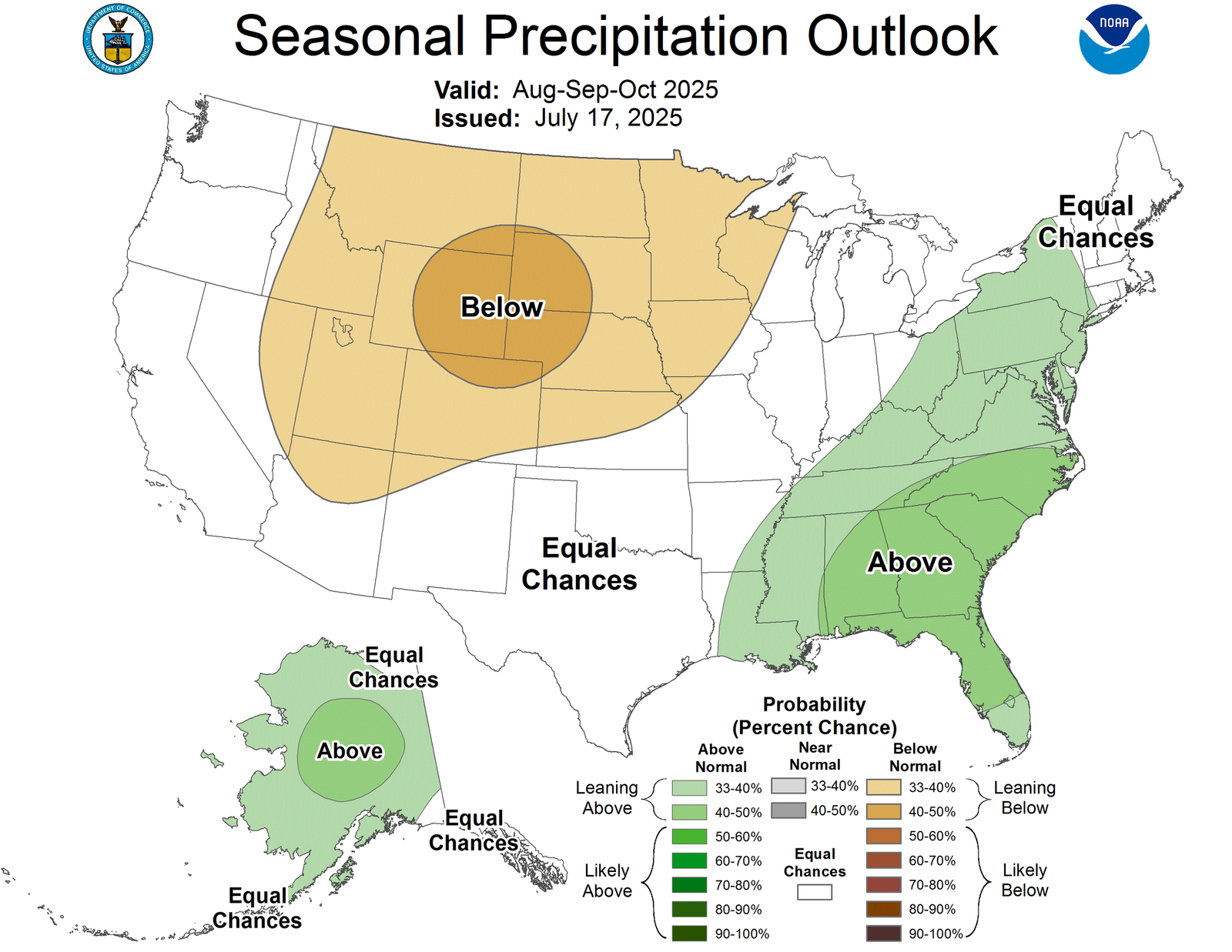
The NOAA outlook also presents an interesting twist concerning rainfall. The precipitation forecast shows equal chances for rainfall, providing some hope as September and October typically bring wetter conditions to much of Texas. This could be a crucial factor for the state, especially in maintaining water supplies and supporting local agriculture.
Monthly Temperature Trends in Texas
Typically, temperatures in Texas begin to cool down in August, with average highs dipping below the triple-digit threshold. Here’s an overview of the earliest, latest, and average last 100-degree days recorded across the state since 1940, based on data from the National Weather Service. Understanding these patterns can help residents and farmers alike prepare for the changing climate.
Important Temperature Records
- Earliest Last 100-Degree Day: Explore the oldest records
- Latest Last 100-Degree Day: Review historical extremes
- Average Last 100-Degree Day: Understand seasonal trends
As the heat continues to envelop Texas, residents should prepare for potential challenges, from health hazards related to extreme temperatures to agricultural impacts. It’s crucial to stay informed through reliable sources such as the NOAA and maintain awareness of local weather advisories.
Conclusion
In summary, the Texas weather forecast indicates ongoing high temperatures and varying chances for rainfall over the coming months. Staying educated and proactive will be key in navigating the challenges presented by this year’s unique weather patterns. For detailed weather updates and forecasts, visit Weather.com for reliable information.
