


Understanding the Prevalence and Economic Burden of Osteoarthritis and Rheumatoid Arthritis in the Rio Grande Valley
Osteoarthritis and rheumatoid arthritis are two of the most common and debilitating conditions affecting millions worldwide, including underserved regions such as the Rio Grande Valley. This article delves into the prevalence and economic impact of these conditions, highlighting the need for improved healthcare solutions.
What are Osteoarthritis and Rheumatoid Arthritis?
Osteoarthritis (OA) is a degenerative joint disease characterized by the breakdown of cartilage, causing pain, stiffness, and reduced mobility. It primarily affects weight-bearing joints such as the knees and hips. The Arthritis Foundation provides comprehensive insights into OA, emphasizing its chronic nature and the factors contributing to its progression.
Rheumatoid Arthritis (RA), on the other hand, is an autoimmune disorder that predominantly affects joints, leading to inflammation, pain, and eventual joint destruction. Unlike OA, RA can affect multiple organs and requires a multidisciplinary approach for management. For more details on RA, you can refer to the Mayo Clinic’s resources.
Prevalence of Osteoarthritis and Rheumatoid Arthritis in the Rio Grande Valley
Recent studies indicate a striking prevalence of both osteoarthritis and rheumatoid arthritis in the medically underserved Rio Grande Valley. The population in this region often faces barriers to healthcare access, exacerbating the frequency and severity of these conditions. According to research published in Cureus, the numbers paint a worrying picture:
- Over 30% of adults in the region report experiencing osteoarthritis-related symptoms.
- Rheumatoid arthritis affects approximately 1.5% of the adult population, a figure that can be significantly higher within certain demographic groups.
This data not only highlights the need for targeted healthcare interventions but also emphasizes the importance of awareness and education among healthcare providers and patients alike.
Economic Burden of Arthritis Conditions
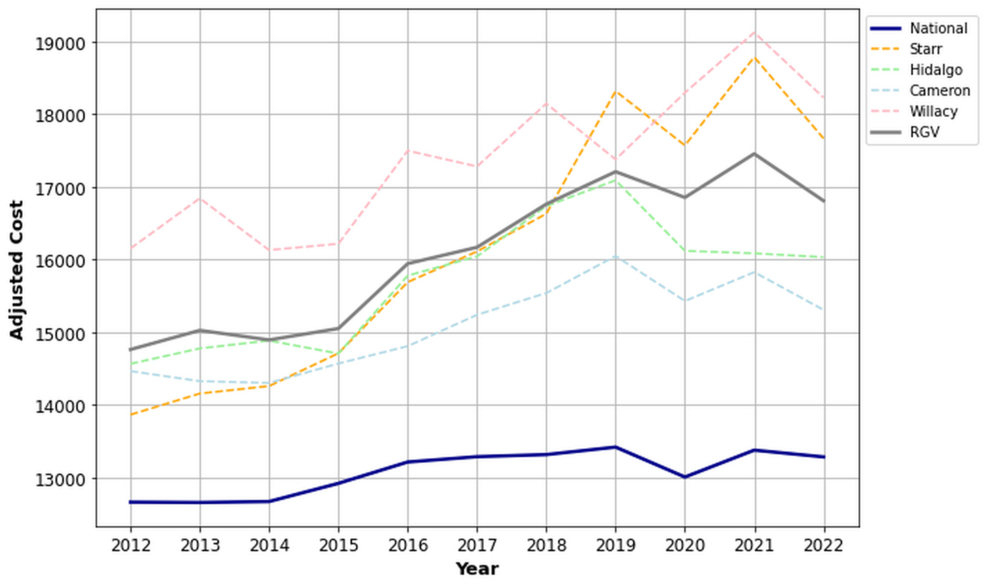
The economic implications of osteoarthritis and rheumatoid arthritis are severe, particularly in economically disadvantaged regions. The cumulative costs associated with these conditions can be categorized into direct and indirect costs:
Direct Costs
Direct costs encompass medical expenses, including:
- Physician visits
- Medications
- Diagnostic procedures
- Surgical interventions
In the Rio Grande Valley, where healthcare resources are limited, these direct costs can pressure families already struggling to make ends meet. The Centers for Disease Control and Prevention (CDC) reports that healthcare spending related to arthritis and joint disorders is substantial, contributing to economic disparities.
Indirect Costs
Indirect costs include lost productivity, premature disability, and decreased quality of life. For individuals managing chronic pain and mobility issues, the impact on work and daily activities can lead to significant economic losses. These lost opportunities can spiral into broader economic challenges for the community.
The Need for Improved Healthcare Access and Education
Given the high prevalence and economic burden of osteoarthritis and rheumatoid arthritis in the Rio Grande Valley, there is an urgent need for improved access to healthcare and education about these conditions. Increased funding for community health programs, nutritional education, and support groups can play a vital role in managing arthritis.
Promoting Awareness
Awareness campaigns focused on the symptoms, early diagnosis, and management strategies for both osteoarthritis and rheumatoid arthritis are essential. Local health departments can collaborate with organizations such as the National Arthritis Foundation to create resources tailored to the population’s specific needs.
Engaging Healthcare Providers
Training healthcare providers about the unique challenges posed by arthritis in underserved populations will improve diagnostic rates and treatment outcomes. Continuous professional development aimed at addressing healthcare disparities is crucial in fostering a more responsive healthcare system.
Conclusion
The prevalence and economic burden of osteoarthritis and rheumatoid arthritis in the Rio Grande Valley underline the necessity for targeted interventions and comprehensive healthcare access. By addressing these challenges head-on, it is possible to improve the quality of life for countless individuals living with these debilitating conditions, fostering a healthier future for the entire community.
For further reading and resources on arthritis management, check out the CDC’s Arthritis page and the World Health Organization.
