


The Economic Impact of Texas Immigration Policies
Understanding the Costs of Immigration Crackdowns
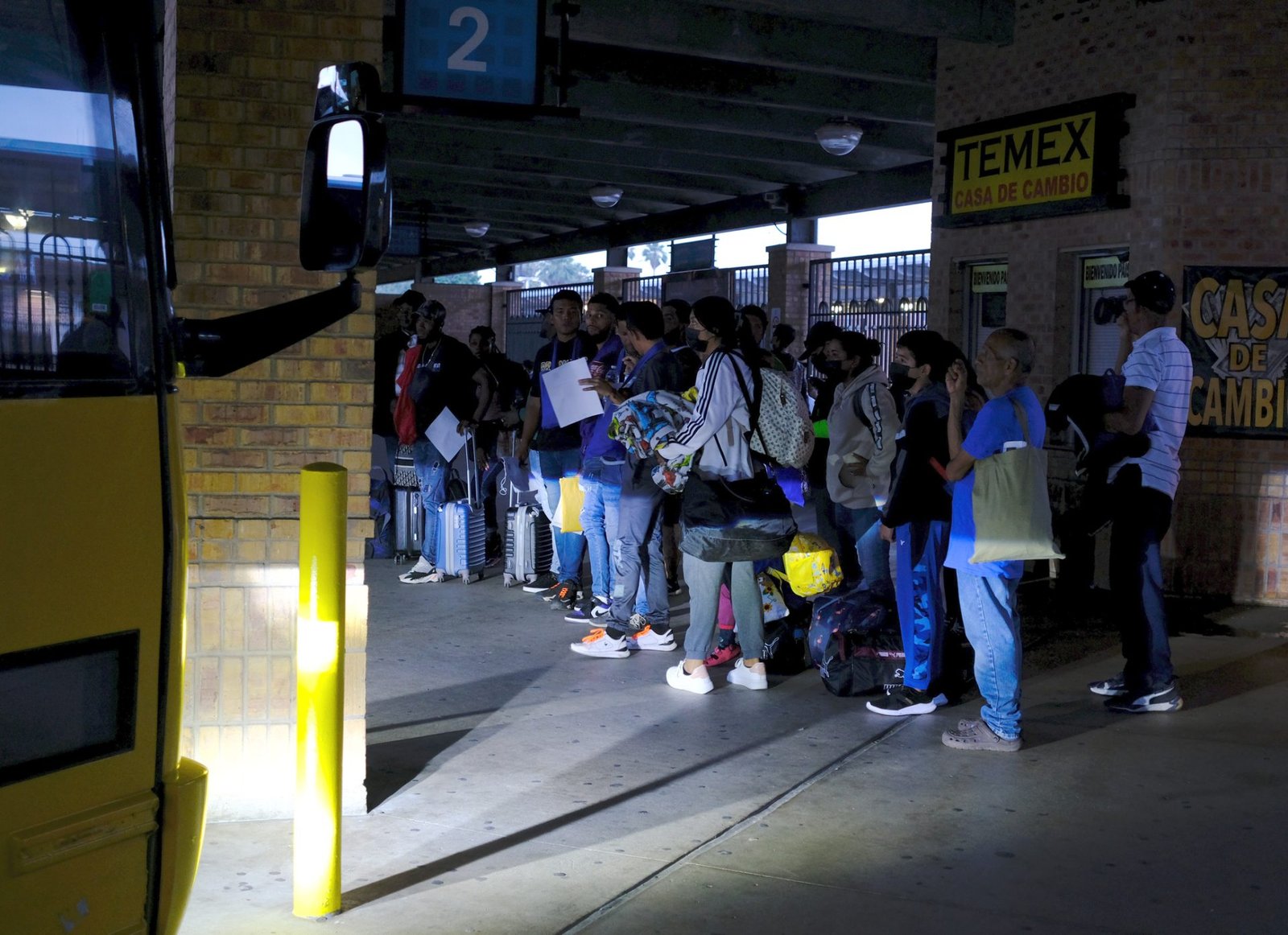
Republican-led efforts to curb immigration, particularly spearheaded by Texas Governor Greg Abbott, have resulted in significant financial burdens for taxpayers and adverse effects on local economies. Recent reports indicate that Texas has spent approximately $125 million on these crackdown efforts, primarily funded through public resources. According to Nexstar Media Group, this total represents a staggering 96% taxpayer funding, with private donations falling short.
Direct Financial Implications
The implementation of this immigration strategy includes chartering over 2,200 buses and arranging numerous airline flights to transport more than 100,000 migrants to cities such as New York, Chicago, and Los Angeles. This mass relocation has often occurred without adequate notice to the receiving municipalities, creating challenges in terms of housing and services for those newly arrived.
Indirect Economic Consequences
The repercussions extend beyond immediate expenditures. The stringent immigration policies are detrimental to numerous industries that historically rely on foreign labor. Sectors such as agriculture, construction, hospitality, and healthcare are seeing labor shortages, which ultimately affect the nation’s economy. Fewer available workers lead to a decline in the production of goods and services, subsequently driving price increases that contribute to ongoing inflation.
The Job Market Dilemma
Interestingly, the United States is currently experiencing record low unemployment rates alongside a paradox of 9.5 million job openings versus 6.5 million unemployed workers. The gap highlights a disconnect between available jobs and the workforce willing or able to fill these positions. Many of the unfilled roles exist in industries that typically draw on migrant labor.
Finding Practical Solutions
Bridging the Gap Between Migrants and Job Opportunities
Rather than relocating migrants to cities where they might struggle to find resources, a more strategic approach would focus on connecting them with employers in sectors that need workforce support. Empowering migrants to fill roles in sectors dependent on their labor can benefit both the economy and the individuals seeking work.
Unfortunately, Governor Abbott appears less interested in facilitating successful outcomes for these individuals and more focused on the punitive aspects of his policies. However, federal workers and industry advocates could bridge this gap.
Leveraging Asylum Status for Employment
Most migrants arriving in the U.S. are seeking asylum. Under U.S. immigration policy, those granted refugee or asylee status have the legal right to work. Therefore, coordinating efforts between immigration officials and industries in need could provide a pathway for migrants to gain employment.
Innovations in Resource Management
Cities that receive Abbott’s buses might explore avenues to redirect these individuals to regions with job availability. Though logistical planning is essential, the potential cost savings from reducing the need for temporary shelters and services could mitigate financial strains on taxpayers.
Conclusion: A Cooperative Approach to Immigration and Labor
The challenges posed by current immigration policies necessitate thoughtful solutions that address labor shortages while providing migrants with the opportunity to become self-sufficient. Collaboration among government officials, business leaders, and immigrant advocates is critical in crafting strategies to integrate these migrants into the workforce effectively. Such measures could help alleviate financial burdens on taxpayers while fostering economic growth in the areas that need it most.
For further information about the complexities of immigration policies and their economic effects, you can refer to the American Immigration Council and the U.S. Chamber of Commerce for detailed reports and statistics.
