


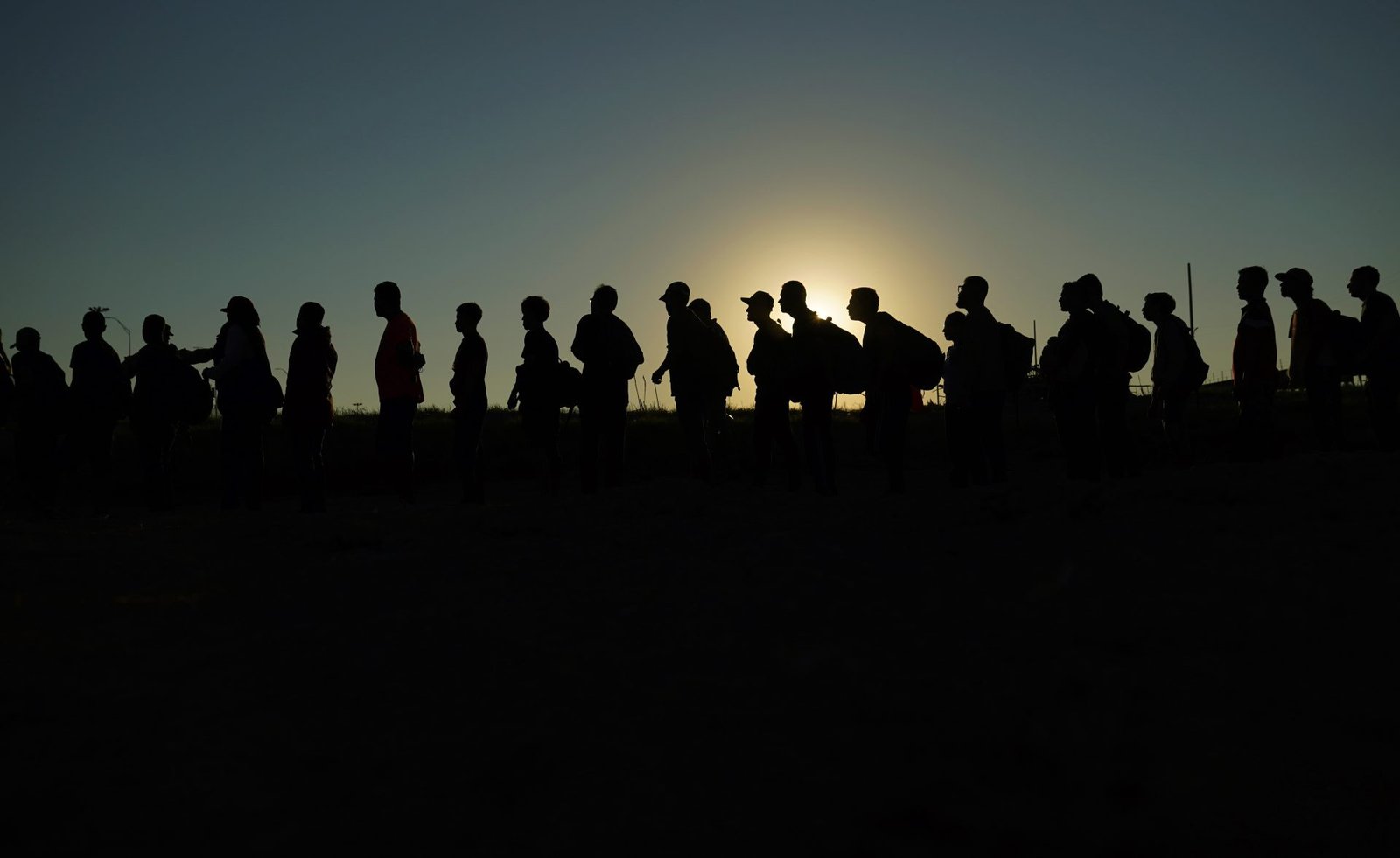
Understanding the Economic Impact of Immigration Policy Changes in the Rio Grande Valley
Immigration policies significantly influence the lives of residents in the Rio Grande Valley. While national discourse often centers on larger metropolitan areas, the effects of immigration crackdowns resonate profoundly in our region, highlighting the need for comprehensive immigration reform.
The Direct Impact on Families and Labor Markets
Recent immigration policies, including mass deportations, have not only fractured families but have also aggravated worker shortages across various sectors heavily reliant on immigrant labor. As businesses struggle to fill positions, the economic ramifications extend far beyond individual families, affecting the entire community.
Decline in Business Operations
Due to labor shortages, many businesses have been forced to downsize or even shut down entirely. This contraction has led to decreased production, resulting in insufficient product availability in grocery stores and other essential retail outlets. Consequently, the scarcity of goods is driving prices higher, putting additional stress on consumers.
- For instance, in agriculture, labor shortages have hindered harvest efforts, leading to a dip in produce supplies available for local markets.
Impact on the Construction Industry
The construction sector has also felt the strain of reduced labor availability. Recently, the South Texas Builders Association convened to discuss the adverse effects of Immigration and Customs Enforcement (ICE) operations on the economy. The decrease in available construction workers means fewer residential and commercial projects are being completed, which has a domino effect on various associated industries.
-
Material Purchasing: A slowdown in construction leads to reduced orders for materials, causing layoffs among vendors and suppliers.
-
Financial Institutions: Banks are making fewer loans for real estate, which directly impacts their revenues and ability to support community growth.
- Local Governments: Cities and towns experience declines in revenue from inspection fees, property taxes, and utility services, affecting public services and infrastructure.
The Need for Meaningful Immigration Reform
As we approach important political milestones like the midterm elections, immigration is set to once again dominate campaign conversations. There is a pressing need to establish immigration policies that balance national security with the humane treatment of prospective immigrants looking to contribute positively to society.
A Bipartisan Approach to Immigration Policy
Reforming immigration policy requires cooperation across party lines. U.S. Representative Monica De La Cruz has proposed innovative bills aimed at reinstating aspects of the bracero program from the 1950s for farm workers and introducing a new work visa for construction workers. These initiatives deserve serious consideration by lawmakers of all affiliations.
Discussion Over Division
It is vital that political affiliations do not cloud the judgment of legislators. Bills aimed at addressing our labor shortages should not be dismissed based solely on their origin or the party proposing them. Instead, there should be a concerted effort to analyze their potential benefits and suggest improvements.
-
For example, Republicans should recognize the long-term repercussions of recent immigration enforcement actions on their constituents and actively support reform.
- On the other hand, Democrats are encouraged to evaluate these proposals objectively, looking for collaborative solutions that enhance our community’s economic viability.
The Responsibilities of Elected Officials
Elected officials are entrusted with the responsibility to address the needs of their communities. When they fail to act, the repercussions are felt widely across sectors, individuals, and families. It is imperative for voters to consider electing representatives who are willing to tackle these challenges head-on and advocate for legislative action.
In conclusion, the intersection of immigration policy and the economic landscape in the Rio Grande Valley reflects a complex but critical issue. Enlightened dialogue, bipartisan support, and meaningful reform are essential for fostering a healthier economic environment where all individuals can thrive. By prioritizing this issue, we can not only address immediate labor shortages but also pave the way for a more prosperous future for the region.
