


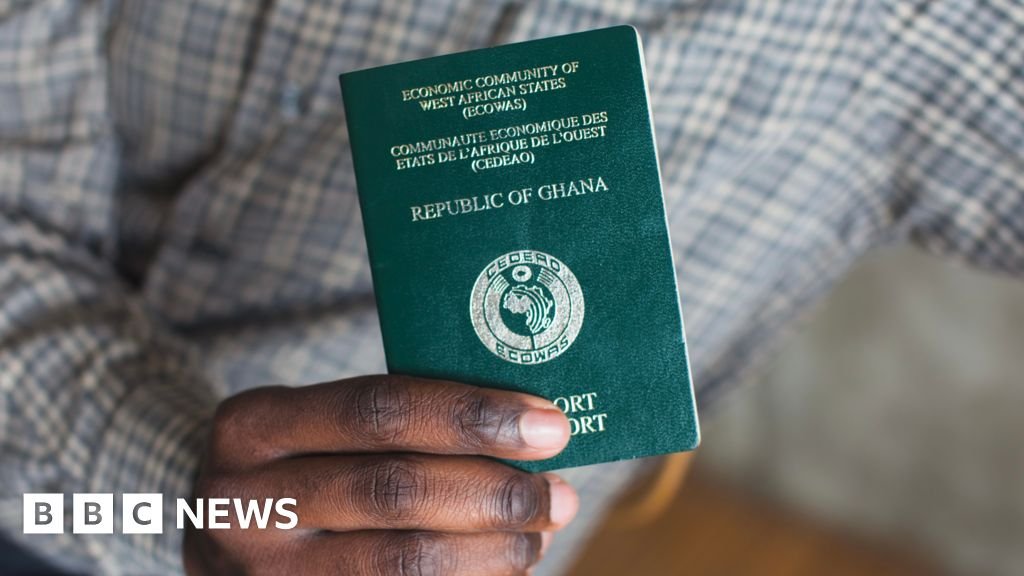
The Challenges of Relocating to Ghana: Navigating DNA Evidence Requirements
Relocating to Ghana has becoming an increasingly attractive option for many in the diaspora. However, applicants face significant challenges, particularly regarding the requirement to submit DNA evidence within a tight timeframe. Dr. Erieka Bennet, an ambassador for the Diaspora African Forum, highlights these issues, shedding light on the complexities faced by individuals seeking a fresh start in Ghana.
Understanding the Relocation Process to Ghana
The relocation process to Ghana includes several steps, one of the most critical being the verification of ancestry through DNA evidence. This requirement is designed to validate the applicant’s claims of genetic ties to Ghana. However, many prospective migrants find themselves unprepared for the demands of this process.
The DNA Requirement: A Closer Look
The Ghanaian government mandates that applicants submit DNA test results within one week of their application. This timeline is a significant hurdle for many individuals:
-
Time Constraints: A week is often insufficient for applicants to organize and undergo DNA testing, especially if they are located in regions where such facilities are not readily available.
- Logistical Issues: DNA testing requires coordination, and the need for a rapid turnaround can lead to added stress and complications, particularly for those not currently residing in Ghana.
Reliability Concerns Surrounding DNA Testing
In addition to the logistical challenges, there are growing concerns about the reliability of DNA testing itself. Many applicants question the accuracy of results obtained under pressure.
-
Variability in Testing Quality: Not all DNA testing services provide the same level of accuracy, leading to fears of false results that could jeopardize an applicant’s chances of relocating.
- Impact on Families: The stakes are high; incorrect results can disrupt family ties and discourage potential migrants from pursuing their dreams of returning to their ancestral homeland.
Seeking Solutions to Mitigate Challenges
Recognizing these issues, various organizations, including the Diaspora African Forum, are advocating for more reasonable requirements and timelines.
Expanding Testing Facilities and Timelines
-
Increased Access: Enhancing access to DNA testing facilities in various countries could alleviate some of the pressure faced by applicants. This would allow individuals more time to undergo testing and submit their results without the added stress of a tight deadline.
- Flexible Timelines: Advocating for an extended timeframe for DNA submission might help cater to the realities of the relocation process, giving applicants a fair chance to comply with the requirements.
Community Support and Resources
Assistance from organizations such as the Diaspora African Forum can make a difference. Providing resources, guidance, and a support network may help navigate the complexities of this process:
-
Workshops and Seminars: Educational initiatives can help individuals understand the application process, including how to effectively navigate the DNA testing requirement.
- Networking Opportunities: Connecting with others who have successfully relocated to Ghana can provide invaluable insights and encouragement for prospective migrants.
Conclusion: Empowering the Diaspora to Return
The journey toward relocating to Ghana offers immense possibilities but is not without its challenges. By addressing the stringent DNA requirements and fostering a more supportive environment, stakeholders can empower individuals from the diaspora to embrace their heritage and explore new opportunities in Ghana.
For further details about the relocation process and how you can prepare, consider visiting external resources such as the official Ghana Embassy site or Diaspora African Forum.
This article aims to provide insights into the challenges faced by individuals seeking to relocate to Ghana, focusing on the difficulties surrounding DNA evidence submission. Understanding these challenges is the first step toward making the relocation process smoother for many in the diaspora.
