


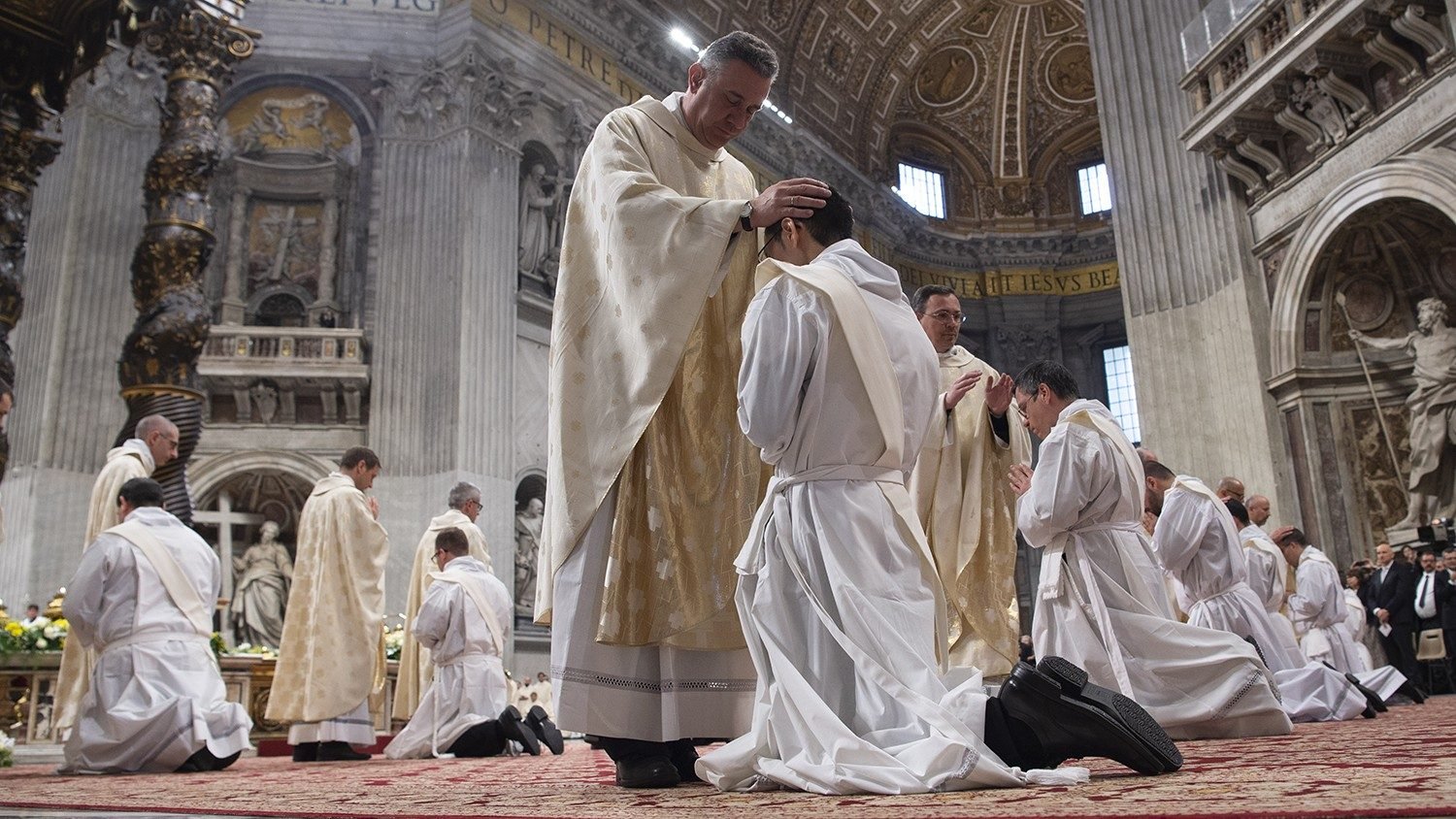
Understanding the Future of Priestly Ministry: Insights from Pope Leo XIV
In a significant moment for the Catholic Church, Pope Leo XIV has released a new Apostolic Letter titled Una fedeltà che genera il futuro (“A fidelity that generates the future”), commemorating the sixtieth anniversary of the Second Vatican Council’s decrees on priestly training and ministry. Signed on the feast of the Immaculate Conception and unveiled on December 22, this document aims to deepen our understanding of the priestly vocation and its essential role within the Church.
The Call for Renewed Priestly Formation
At the heart of Pope Leo’s message is a strong invitation to fortify priestly life through ongoing formation. He emphasizes the necessity for clergy to engage in constant dialogue with God and the community. This continual growth furthers their relationship with Christ and enhances their ability to serve effectively.
Pope Leo acknowledges the historical importance of the Council’s decrees, notably Optatam totius and Presbyterorum ordinis, noting their enduring relevance in shaping pastoral ministry. He believes that preserving the memory of these intentions is crucial for reviving priestly ministry every day.
Combatting Clergy Abuse and Abandonment
The Apostolic Letter addresses significant challenges facing the Church today, particularly the loss of trust resulting from abuses by clergy. The Pope states, “The crisis of trust in the Church caused by abuses committed by members of the clergy has filled us with shame and called us to humility.” He underscores the urgent need for comprehensive priestly formation focused on personal growth, maturity, and spiritual depth, which are essential for a trustworthy ministry.
Encouraging Community and Collaboration
Pope Leo XIV advocates for a model of priestly vocation that emphasizes fraternity and collaboration. The motto “No pastor exists on his own!” encapsulates the relational aspect of the priesthood. The letter highlights that effective ministry cannot flourish in isolation, and mutual support among clergy is imperative.
The Pope also emphasizes the economic equalization of priests serving in varied contexts, advocating for equitable support for those in poorer parishes compared to wealthier ones. “Mutual care, especially attention to our most lonely and isolated brothers,” is crucial to fostering a supportive environment.
The Importance of Community Life
The challenge of loneliness among priests is another pressing concern raised by Pope Leo. He calls for a renewed commitment within local Churches to cultivate community life, which plays a pivotal role in combating the isolation that can dampen a priest’s zeal for ministry.
To further highlight this vision, the Pope praises the ministry of the diaconate, calling it a vital, yet often understated service. Deacons, when engaged in communion with their families, enhance the Church’s overall ability to serve the community effectively.
Empowering the Laity
In embracing a fully synodal perspective, Pope Leo emphasizes the importance of recognizing the role of laypeople in Church life. His letter calls for appropriate initiatives at all levels of the Church so that priests can become familiar with the guiding principles outlined at the Synod.
The Pope elaborates on the need for collegial leadership that distributes pastoral responsibilities and encourages collaboration among priests, deacons, and the laity. This shift aims to promote an ecclesiology that values communion and shared mission.
Challenging Modern Temptations
As Pope Leo XIV articulates the joy of serving one’s community, he issues a caution against contemporary challenges that could undermine the effectiveness of the priestly ministry. Two main pitfalls are identified: efficiency driven solely by output, and a passive approach to ministry.
While biblical evangelization doesn’t rely on the volume of activities conducted, priests are called to counteract societal fragmentation by fostering authentic relationships. The balance between contemplation and action must remain centered on the Paschal dimension of ministry, which encompasses prayer and fraternity.
Conclusion: A Vision for the Future
Pope Leo XIV’s Apostolic Letter serves as a roadmap for revitalizing the priestly vocation in today’s Church. With emphasis on community, ongoing formation, and a commitment to mutual support, the message calls for a progressive view of priesthood that is deeply interconnected with the mission of the Church. By fostering an environment rich in fraternity and collaboration, the Church can navigate its challenges and embrace the future with renewed hope and vitality.
For further exploration of Pope Leo XIV’s vision and the impact of the Second Vatican Council, read more about the Second Vatican Council and its key documents.
