


The Transformative Era of LNG in the Gulf Coast: A Double-Edged Sword for Local Communities
Introduction
The Gulf Coast, with its unique ecological landscape and vibrant coastal communities, is on the brink of significant transformation due to the growing Liquefied Natural Gas (LNG) industry. Central to this evolution is the Laguna Madre region in Southern Texas, where the impending Rio Grande LNG project is drawing intense scrutiny and mixed reactions from both local residents and political leaders. This article delves into the complexities associated with this development, showcasing the balance—or imbalance—between economic aspirations and environmental concerns.
A New Frontier: Laguna Madre’s LNG Project
A Unique Ecosystem
The Laguna Madre, a rare hypersaline lagoon, separates the Padre Islands from the South Texas mainland. Unlike other Gulf Coast cities, such as Corpus Christi and Houston, this region has historically steered clear from the oil refineries and gas processing plants that define its northern counterparts. Recently, however, that is changing with the advent of the Rio Grande LNG project.
Emergence of Rio Grande LNG
This summer marked a significant construction milestone for the Rio Grande LNG project, as towering storage tanks now dot the landscape, particularly visible from the highway connecting Brownsville to Port Isabel. The project aims to liquefy natural gas transported through newly laid pipelines—four times more extensive than before—allowing it to be exported globally. This phase marks a momentous shift in the region’s economic future, particularly as the LNG facility is set to be the first of its kind in the Rio Grande Valley.
Economic Promises vs. Environmental Reality
Industry Advocacy
NextDecade, the Houston-based company behind Rio Grande LNG, has characterized the project as a beacon of job creation, suggesting it will be environmentally sensitive and beneficial for local tourism. However, community residents express concerns that it jeopardizes their thriving ecotourism and fishing industries. Federal regulators have echoed these sentiments, highlighting the potential negatives associated with increased LNG tanker traffic.
Historical Context
The roots of industrial ambition trace back nearly a century when Cameron County’s commissioners initiated the creation of the Brownsville Ship Channel to enter the global market. Over the years, companies like Marathon established offshore oil rigs, only to abandon them during the late 1980s oil crisis. Despite past failures, current officials are open to reviving the oil and gas industry, banking on projects like Rio Grande LNG to reshape the regional economy.
Health and Pollution Concerns
The communities most directly affected by the construction of LNG facilities have consistently raised alarms about the associated pollution. Residents in Port Isabel and South Padre Island fear the potential for industrial disasters. “It’s not a plus for tourism or the environment,” noted South Padre Island Councilman Joe Ricco, underlining the discontent brewing in the area.
Lessons from Other Gulf Communities
Outcomes in Freeport and Cameron Parish
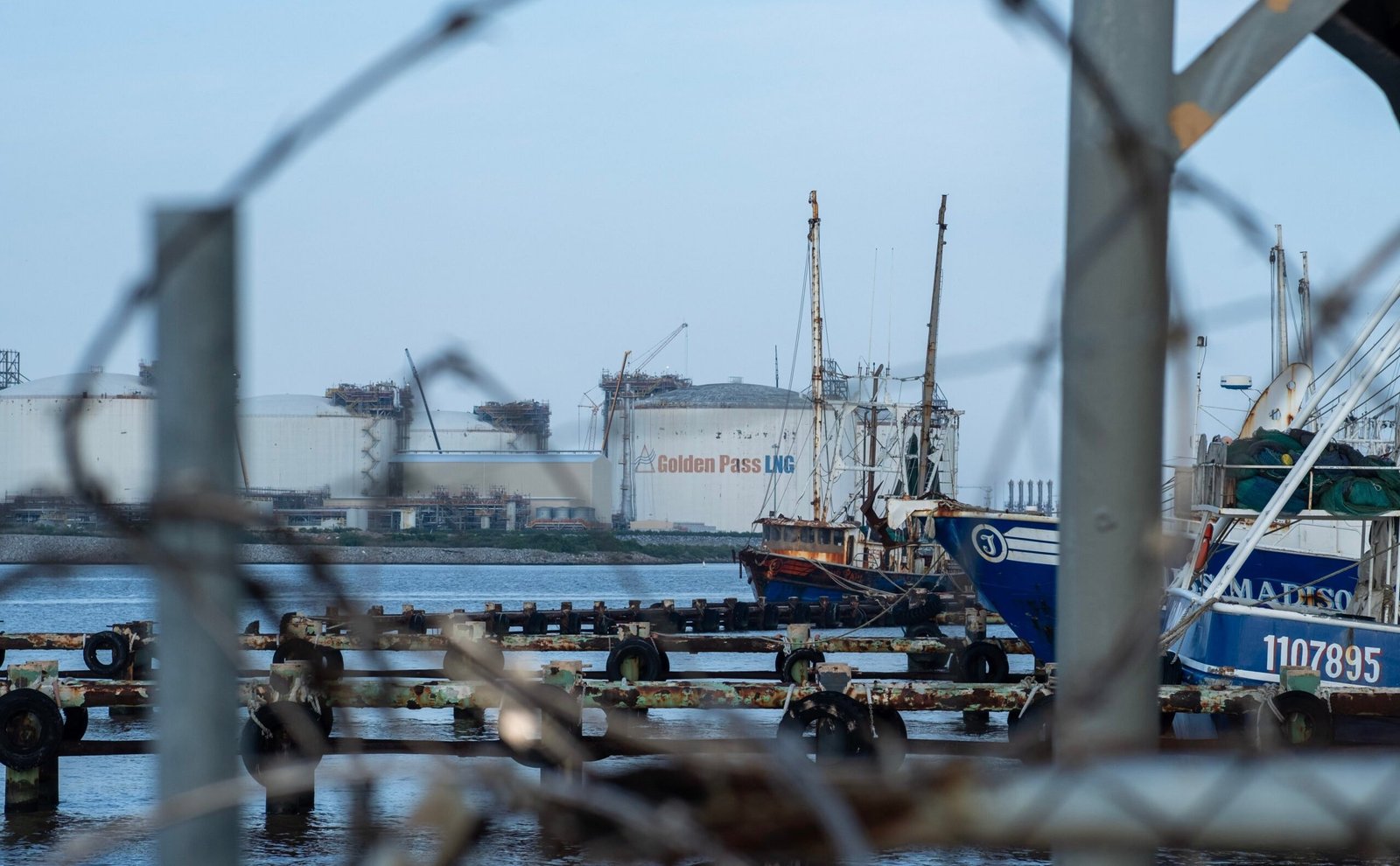
As communities like Freeport, Texas, and Cameron Parish, Louisiana, adjust to the encroachment of LNG plants, their experiences showcase a dichotomy between awe-inspiring promises made by industrial firms and the mixed outcomes revealed over time. Freeport LNG has provided financial support for local infrastructure, including hospitals and community events, but this philanthropy comes at a high cost—deep environmental degradation and dire risks to community wellbeing.
Residents have reported that although Freeport LNG claims to have created jobs, many workers commute from outside the area, leaving local residents feeling abandoned and impoverished. Pollutants released unchecked can worsen air quality and health outcomes in already vulnerable populations, particularly affecting those with limited access to healthcare.
Climate Concerns
While proponents argue that LNG reduces reliance on coal-fired power plants and thereby mitigates climate change, critics argue that the significant methane emissions from natural gas operations could be just as detrimental. Look closer at the social fabric of both Freeport and Cameron Parish, and the picture becomes glum; families grapple with eroding quality of life while industry representatives paint lofty economic prospects.
A Tug-of-War for Laguna Madre Residents
Ongoing Developments and Community Resistance
As construction continues for Rio Grande LNG, locals are caught in a tug-of-war between economic opportunity and ecological preservation. Residents of Port Isabel, including members of Vecinos para el Bienestar de la Comunidad Costera, remain proactive, even filing lawsuits demanding a more thorough review of the project’s environmental impacts. NextDecade contends that the project’s emissions will pose no significant risk, a statement that locals receive with skepticism, expressing concerns about both transparency and comprehensive safety planning.
Current Risks
Truck traffic associated with the LNG project has heightened local accident rates, and recent maritime incidents have raised alarms about potential catastrophic outcomes. Residents worry that the lack of information surrounding emergency response plans exemplifies a dangerous oversight that industry stakeholders have ignored.
Conclusion: Balancing Economic Prospects and Environmental Integrity
The arrival of the LNG industry in the Gulf Coast, particularly via the Rio Grande LNG project, presents a compelling yet convoluted narrative. As local authorities celebrate potential job creation, residents grapple with the looming threats to their livelihoods and environmental safety. The future trajectory remains uncertain, with a pressing need for genuine dialogue and equitable considerations to ensure both economic prosperity and ecological stewardship.
In the light of lessons learned from communities like Freeport and Cameron Parish, the trajectory of Laguna Madre depends heavily on the active engagement of residents and policymakers willing to hold the LNG industry accountable to its promises.
Keywords: LNG, Rio Grande LNG, Laguna Madre, Freeport, Cameron Parish, environmental risks, Texas, job creation, ecological impact, gas emissions.
