


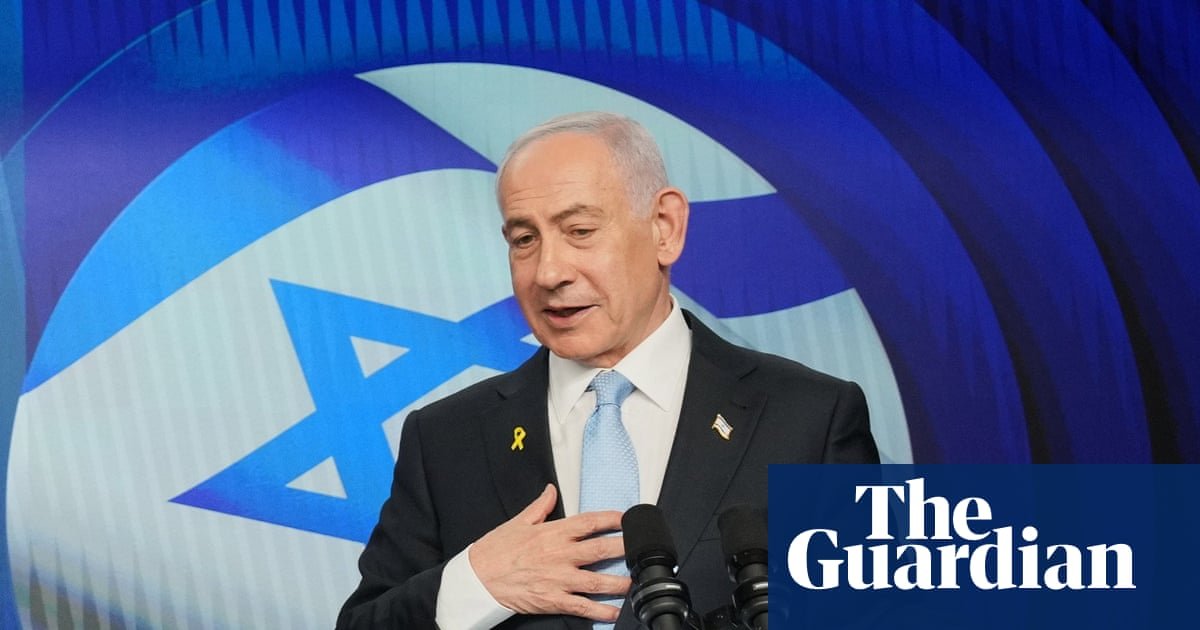
Netanyahu Addresses UN-Endorsed Gaza Ceasefire: Focus on Hamas Disarmament
Israeli Prime Minister Benjamin Netanyahu recently announced that the preliminary phase of the UN-endorsed Gaza ceasefire plan is nearing completion. He underscored that the subsequent phase must include the disarmament of Hamas, a critical point of contention in the ongoing conflict. During a press conference alongside German Chancellor Friedrich Merz, Netanyahu expressed a commitment to discuss these next steps with former U.S. President Donald Trump later this month in Washington.
Framework of the Ceasefire Agreement
The ceasefire agreement marks a significant development in the longstanding conflict. Netanyahu stated, “We’re about to finish the first stage. But we have to make sure that we achieve the same results in the second stage.” This statement hints at a more robust strategy to ensure long-term peace in the region.
Phase One: Hostage Release and Conditions
As part of the first phase, Hamas released the last 20 living Israeli hostages in exchange for approximately 2,000 Palestinian detainees. It also returned nearly all of the bodies of 28 hostages who lost their lives during the recent conflict. Meanwhile, Israeli forces have retreated to a ceasefire line, maintaining control over 58% of the Gaza Strip.
However, the violence has not entirely ceased; since the ceasefire was declared on October 10, more than 360 Palestinians have reportedly been killed, including around 70 children. In contrast, three Israeli soldiers have lost their lives due to Hamas attacks during this period.
Steps Forward: Demilitarization and International Oversight
The next phase is crucial for establishing enduring peace in the region. According to Trump’s proposals and the UN Security Council Resolution 2803—largely endorsed by the international community—Hamas is required to disarm, Israeli troops are expected to withdraw further, and a new International Stabilization Force (ISF) will be established.
This force will operate under the supervision of a “board of peace” headed by Trump and will oversee a technocratic Palestinian committee responsible for the governance of Gaza. Yet, the sequencing of these steps remains ambiguous in the proposals. Netanyahu emphasized the urgency of Hamas’s disarmament, stating, “I think it’s important to make sure that Hamas complies not only with the ceasefire but also with their commitment to disarm.”
Alternative Perspectives on International Stabilization
In his recent remarks, Netanyahu raised the prospect of potential “alternatives” to the ISF, although he did not elaborate on these options. He hinted at a more controversial stance regarding the possibility of annexing the West Bank, describing it as a matter of discussion. Notably, he reiterated Israel’s strong opposition to the creation of a Palestinian state, which remains a priority for many European and Arab nations, as well as a significant majority of UN member states.
Legal Challenges: ICC Arrest Warrants and Repercussions
Netanyahu’s visit to Germany, which would have marked an important diplomatic step, is hindered by ongoing issues related to arrest warrants issued by the International Criminal Court (ICC) for Netanyahu and former Defence Minister Yoav Gallant. The warrants were established based on allegations of war crimes and crimes against humanity in Gaza. Despite this, Chancellor Merz stated that the discussion of a visit was not currently on the table.
Netanyahu has dismissed the ICC warrants as “trumped-up charges,” claiming they stem from a “corrupt prosecutor.” He has voiced that the ICC’s credibility is at stake due to what he describes as baseless allegations of starvation and genocide against Israel. Meanwhile, another judicial body, the International Court of Justice, is currently evaluating claims that Israel has committed genocide in Gaza.
Looking Ahead: The Road to Peace
Merz’s position as the first major European leader to meet with Netanyahu in Israel since the ICC warrants came into play reflects the complex nature of international diplomacy surrounding the conflict. Both leaders recognize the need for subsequent phases of peace initiatives, which could potentially reshape the future of Gaza and the broader Middle East.
The continuation of hostilities poses significant risks, yet the potential for a diplomatic resolution remains as discussions about disarmament and international oversight take center stage. The outcomes of these conversations in Washington could have far-reaching implications, not only for Israel and Palestine but for global geopolitical dynamics as well.
As the situation evolves, the focus will likely remain on the pressing need for comprehensive strategies that genuinely prioritize peace and security for both Israelis and Palestinians alike.
