


Food Insecurity in the Rio Grande Valley: A Rising Crisis
In the heart of the Rio Grande Valley, food insecurity remains a pressing concern for countless residents. With staggering numbers revealing that over 146,000 individuals face food scarcity, the situation calls for immediate attention and action. Institutions and grassroots organizations are stepping up, but many challenges persist.
The Personal Struggle: Evangelina Yzaguirre’s Story
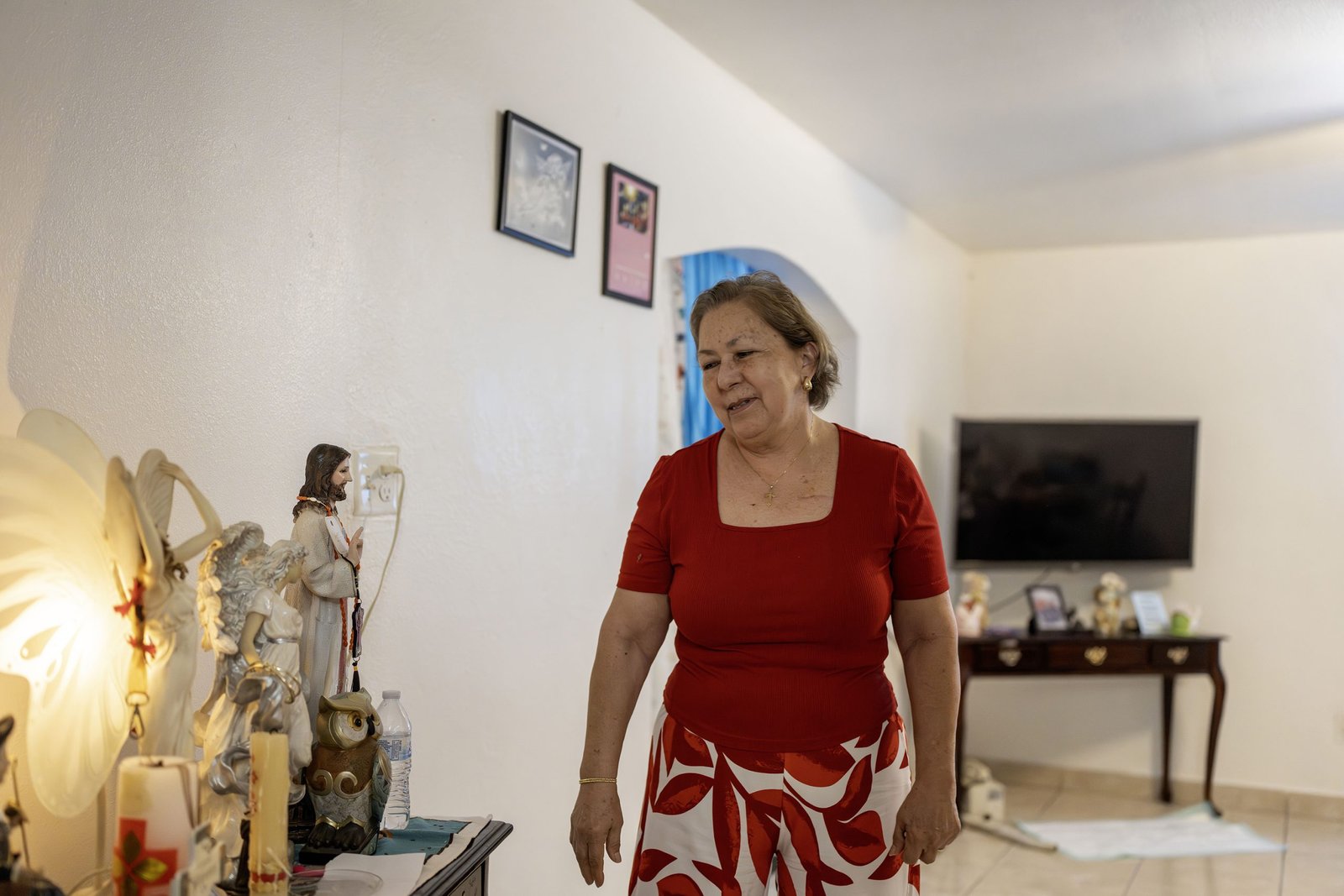
At the age of 68, Evangelina Yzaguirre has been a dedicated clerk in a bilingual department of a local school district for almost 14 years. Sadly, in the wake of recent budget cuts, her annual salary was reduced from $29,000 to $23,000. Living on such a modest income, especially after her four children have grown, Yzaguirre finds herself facing significant challenges in covering her healthcare costs—a situation exacerbated by her lymphoma diagnosis.
“I am struggling,” she shares, reflecting the reality for many in the Valley. To cope, Yzaguirre has sought assistance from a local food pantry, part of a DHR Health initiative aimed at alleviating some of the burdens borne by those in her community. Here, she receives essentials such as beans, rice, and canned tuna, providing her with some much-needed relief.
Community Support and Local Initiatives
The food pantry at DHR Health illustrates a broader network of community support—including churches, schools, and nonprofits—working tirelessly to combat hunger. Amidst this grassroots effort, it becomes apparent that many residents still struggle to access healthy food. The U.S. Department of Agriculture classifies over half of the neighborhoods in the Rio Grande Valley as food deserts, highlighting the urgent need for improved access to nutritious options.
Lauren Boeta-Lopez, a mental health clinician at DHR Health, elaborates on the troubling dynamics at play. Some individuals resort to checking themselves into hospitals merely to access nutritious meals, a scenario that underscores the severe food accessibility crisis. “I would have patients say, ‘I came here because I knew I would get at least three hot meals,’” she recounts.
In November, Boeta-Lopez spearheaded the opening of the food pantry, which—by January—had already reached approximately 1,000 people. Plans are underway to expand the pantry to include refrigerated items, further enhancing the variety of food available to those in need.
Legislative Action and Ongoing Challenges
Food insecurity in Texas, with a prevalence rate of 16.9%, represents the second-highest in the nation. Texas lawmakers are beginning to recognize the urgent need for reforms. State Representative Christina Morales has proposed legislation aimed at investigating the root causes of food deserts and their effects on various populations. “Everyone deserves to have healthy food,” Morales asserts, drawing attention to her own experiences growing up in a neighborhood that saw a decline in grocery store availability.
Amber O’Connor, a food policy analyst with Every Texan, emphasizes that food deserts are symptomatic of a larger issue. “It’s grocery store segregation,” she notes, stressing the financial hesitance of stores to serve lower-income neighborhoods.
As Morales advocates for better equity in food access, various bills are being introduced in the Texas legislature to tackle the root problems. However, the battle remains complex, particularly as some lawmakers suggest imposing restrictions on the Supplemental Nutrition Assistance Program (SNAP), which assists over 3.3 million Texans.
Health Implications of Food Insecurity
The ramifications of living in food deserts go beyond mere hunger—it has serious implications for community health. Morales highlights the reliance on unhealthy foods in her district, often leading to issues like obesity among children. During a community school supply drive, she noticed many children displaying signs of excess weight, prompting her team to distribute healthy snacks in addition to school supplies.
Another significant legislative effort is underway, led by state Representative Tom Oliverson, which aims to allow healthcare organizations to prescribe food-based health programs rather than traditional medication for certain conditions. These recipes include nutrition counseling and tailored meal provisions, providing a more holistic approach to health.
A Call to Action
As the situation evolves, continuous advocacy and community action remain vital. Organizations and lawmakers alike are pushing for greater access to affordable healthy food options and confronting the stigma associated with food insecurity. The focus should be on supporting individuals like Yzaguirre, who echo a sentiment of resilience amid struggle: “It’s a good help,” she remarks about the food pantry that has become a lifeline.
In Hidalgo County, where 27% of residents live in poverty—the highest rate in Texas—the urgency for comprehensive solutions grows. The stories of individuals and families facing food scarcity demand attention and intervention from all sectors of society.
Those interested in learning more about food security initiatives can explore resources through organizations like the Food Bank of the Rio Grande Valley and legislative updates from Texas lawmakers, who are increasingly prioritizing this critical issue.
Conclusion
Food insecurity is more than just a statistic; it’s a humanitarian crisis that affects the health and wellbeing of communities in the Rio Grande Valley. Together, through communal efforts and legislation, there lies hope for a future where no Texan faces hunger and everyone has access to nutritious food.
For more information on the issue of food insecurity and how you can help, visit the Food Bank of the Rio Grande Valley and explore ways to engage with local initiatives.
