


Health Care Access Amidst Immigration Anxiety in Texas
The Struggles of Immigrant Families
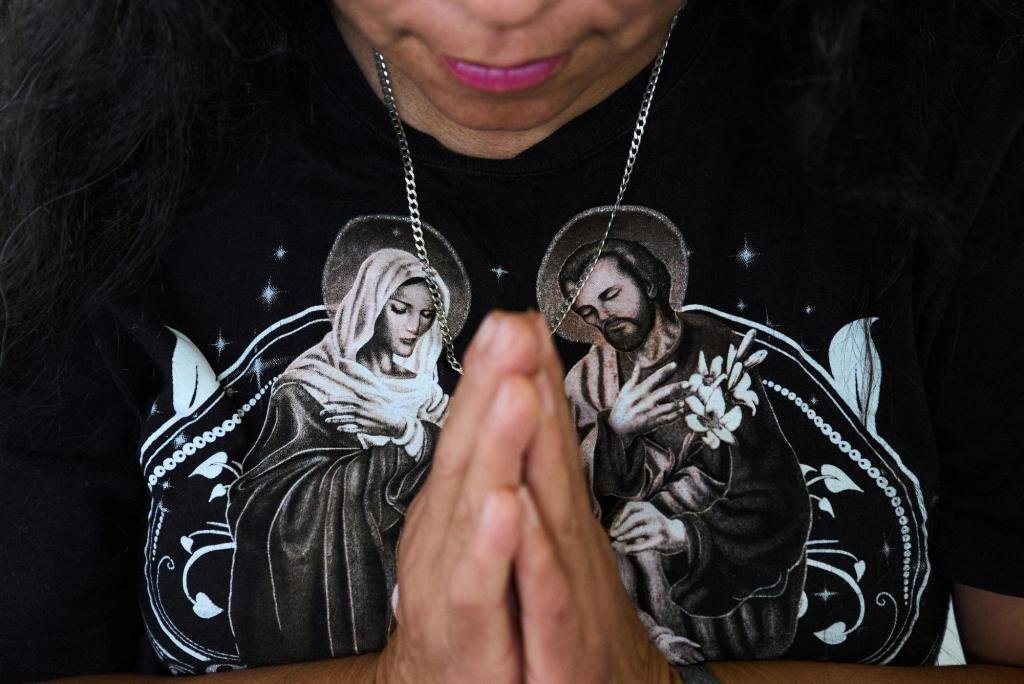
In the heart of the Rio Grande Valley, the fear of deportation looms large, affecting the health decisions of many immigrant families. Juanita, a 41-year-old mother who crossed into the U.S. from Mexico over twenty years ago, embodies this fear. As a prediabetic individual caring for her 17-year-old daughter, who has Down syndrome, Juanita finds herself praying before stepping out of her home. When her husband alerted her to immigration agents patrolling a local pharmacy, she refrained from picking up medications crucial for her health. The anxiety surrounding immigration enforcement has made even essential medical care feel like a risk for many residents.
A Community in Fear
The Rio Grande Valley is home to approximately 1.4 million residents, many of whom are immigrants living in a working-class area that has historically embraced growth and diversity. However, with the Trump administration’s escalating deportation efforts, the perception of safety is rapidly deteriorating. Federal agents are now authorized to carry out raids at local businesses, hospitals, and even community events, creating a pervasive environment of fear.
"This is a very dangerous situation for people. The population is suffering accordingly," states Dr. Stanley Fisch, a pediatrician serving in the region. The crackdown on undocumented immigrants has not only impacted their daily lives but has also caused many to avoid seeking medical care altogether.
Implications of Deportation and Health Fear
Reports indicate that as enforcement actions ramp up, many immigrants are unwilling to go outside even for necessary medical appointments. The community is facing alarming health statistics: nearly half the population is classified as obese, with significant rates of diabetes and various cancers.
Efforts to access healthcare services are compounded by an alarming trend: individuals without health insurance are struggling to get essential care. According to Texas Health Data, the region has a high percentage of uninsured residents, with estimates suggesting that a third lack health coverage altogether. This situation is exacerbated by fears that health data could be shared with immigration officials, discouraging families from seeking necessary treatments.
The Growing Gap in Health Care Access
Organizations like Holy Family Services, a community clinic in Weslaco, Texas, are critical to addressing these needs. However, since the climate has shifted, fewer families are willing to enroll in programs like Medicaid for fear of exposing their immigration status. Elizabeth Reta, a billing coordinator at the clinic, notes, "Some parents are too scared to sign their children up for health insurance because they do not want to share too much information with the government."
The actions by immigration officials have far-reaching effects on healthcare access. An investigation revealed that ICE has gained access to personal health data, raising concerns about privacy among immigrant families. Moreover, Texas officials have even mandated that emergency rooms ask patients about their legal status, a directive that has sent shockwaves through the community.
A Personal Toll: Lives on Hold
The emotional and physical toll of these restrictions is evident among local families. Maria Isabel de Perez, an 82-year-old resident, describes a heart-wrenching experience with her son, who hesitated to seek medical attention for severe abdominal pain. "He waited and waited because he felt the pain but was too scared to go to the hospital," she explains. Ultimately, a delayed visit led to a medical emergency that could have been avoided.
Similarly, mothers like Maria, who fear the repercussions of deportation, find themselves confined to their homes. They skip work and medical appointments, prioritizing safety over health. This environment of anxiety is not just a fleeting issue; it is leading to more serious health complications in the long run.
The Ripple Effect on Children
The impact of these circumstances weighs heavily on younger generations. Reports indicate declining pediatric visits among children of immigrant families, highlighting a growing trepidation around healthcare access. Researchers note that "it’s a really high-anxiety environment where they’re afraid to talk to the pediatrician, go to school, or bring their kids to child care,” says Stephanie Ettinger de Cuba from Boston University.
As families shift to more secluded lifestyles, the community at large feels the strain. Access to essential health services is dwindling, and those who do seek help often find themselves intersecting with immigration enforcement, creating a cycle of fear that hampers their ability to care for their families.
A Call to Action
The situation in the Rio Grande Valley stands as a pressing reminder of the intersection of immigration policy and public health. The ongoing fear experienced by immigrants not only jeopardizes their personal health but also burdens healthcare systems that are already struggling to serve a vulnerable population.
Conclusion
The ongoing challenges faced by immigrant families in Texas highlight the urgent need for a reevaluation of policies that impact healthcare access and community safety. As fear continues to dictate daily choices, the potential for worsened health outcomes grows. Efforts to support these communities must prioritize the alleviation of fear surrounding healthcare access to protect both individual and public health outcomes.
For resources on healthcare access and immigrant rights, visit HealthCare.gov and ImmigrationAdvocates.org.
