


UK Government Bond Yields Surge Amid Income Tax Policy Changes
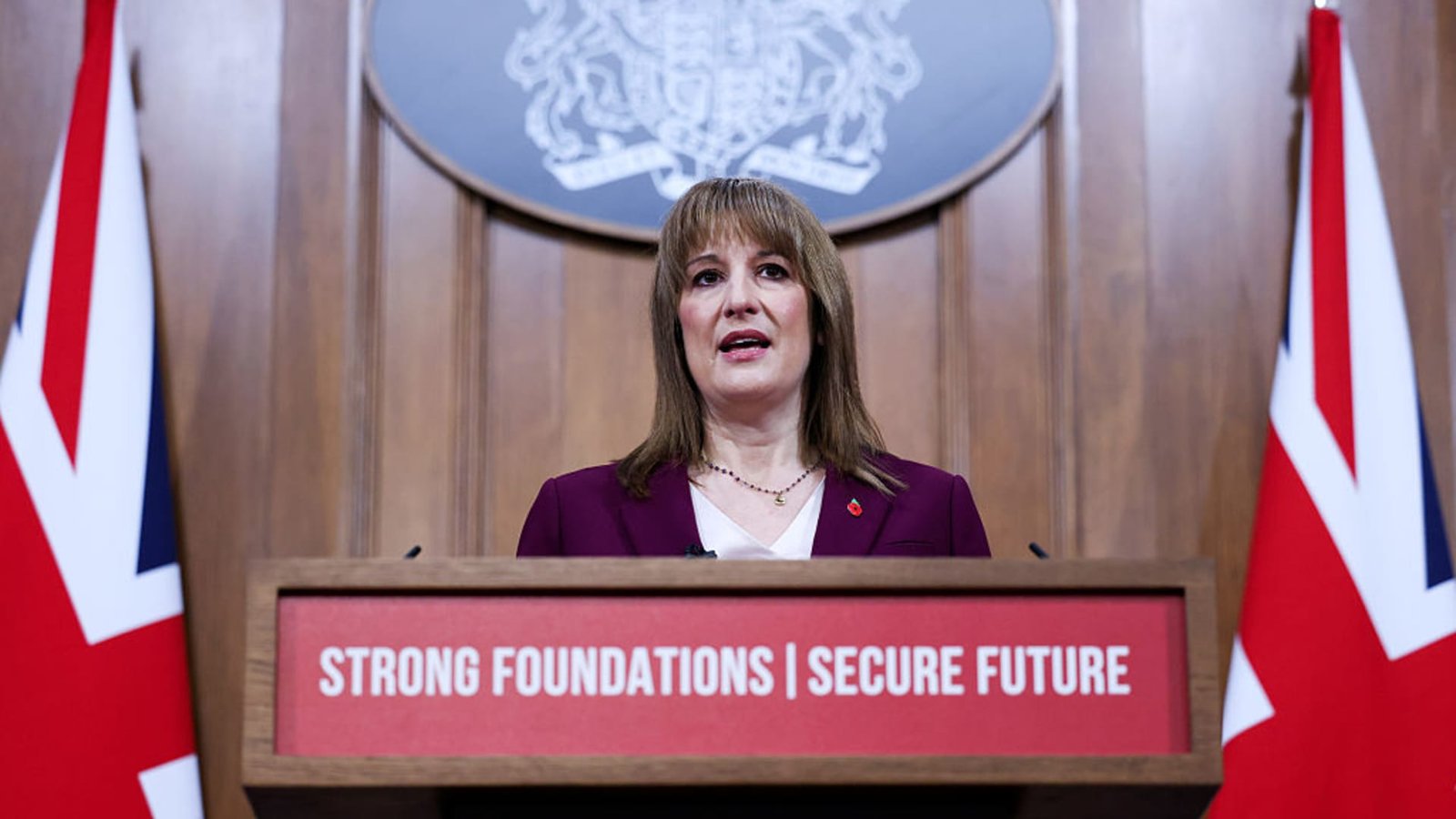
In a significant market reaction, British government bond yields experienced a notable increase on Friday following reports indicating that Finance Minister Rachel Reeves has decided against raising income tax rates in the upcoming Autumn Budget. This decision has raised eyebrows among investors and analysts alike, as the dynamics of fiscal policy in the UK continue to shift.
Government Bond Market Reaction
The yield on the benchmark 10-year gilt initially surged by approximately 12 basis points during early trading, eventually stabilizing around 4.498%. This increase reflects the market’s immediate response to the potential reversal in the government’s tax stance. In bond markets, yields and prices invariably move in opposite directions, indicating heightened investor speculation regarding future fiscal policy.
When contacted by CNBC on Friday morning, the Treasury did not provide immediate comments regarding the situation, leaving analysts to interpret the implications on their own.
Stock Market Declines
The reaction was not limited to the bond market; UK equities also faced downward pressure. The FTSE 100 index dropped over 1% early in the morning session. Major banking stocks, including Lloyds, Natwest, and Barclays, were among the hardest hit, each losing more than 2.8% of their value.
Political Context and Implications
Rachel Reeves had been positioning herself to potentially implement a controversial rise in income tax, which could have represented a significant shift for the Labour party and their political narrative. This proposed increase in the national income tax was aimed at addressing a substantial £30 billion ($39.5 billion) budget deficit. However, the proposal split Labour lawmakers and contributed to broader uncertainty within the party, already grappling with low approval ratings for Prime Minister Keir Starmer.
The initial plan included a 2p increase in national income tax offset by a corresponding 2p decrease in national insurance contributions. The eventual pivot away from this strategy has led to speculation about a patchwork approach to closing the budget gap, raising expectations for smaller tax increases across various sectors.
Fiscal Strategy Under Scrutiny
Investment experts have flagged this new strategy as a potential "fiscal reckoning." Rory McPherson, Wren Sterling’s investment chief, commented on CNBC’s Squawk Box Europe, indicating that a fragmented tax approach could place additional strains on the gilt market. He remarked, “If we have more of the smaller taxes being targeted as part of the programme, I think that’s going to put more pressure on the government to return to the bond markets, ultimately leading to higher yields.”
The current volatility in the market has seen long-term borrowing costs reach levels not seen since the late 1990s, positioning UK debt as the most expensive among the G7 nations. Despite this unsettling landscape, McPherson suggested that the Bank of England still has the option to implement interest rate cuts after the budget presentation if deemed necessary.
Market Outlook
Investor sentiment appears to be shifting, with diminished bets on potential rate cuts, as indicated by a decrease of six basis points compared to the previous Thursday. As the date for the Autumn Budget approaches on November 26, stakeholders across the financial landscape will be closely monitoring how Reeves’ fiscal strategy evolves and its subsequent impact on both bond and equity markets.
In summary, the decision to halt plans for income tax increases has sent ripples through UK financial markets, highlighting the intricate link between government policy and market performance. As investors brace for the upcoming budget, continued volatility and uncertainty are likely to shape the economic landscape in the months to come.
