


The Closure of Edinburg Daily Review: A Farewell to a Local Legacy
The recent demise of the Edinburg Daily Review, a cornerstone of local journalism for over a century, serves as a poignant reminder of the changing landscape in media and the intrinsic value of community-based reporting.
History of the Edinburg Daily Review
Founded in 1914, the Edinburg Daily Review has long been a crucial part of Hidalgo County’s fabric. Over the years, it has not only reported local news but has also tackled significant issues such as corruption, drug trafficking, and political affairs. During its heyday, the paper was known for using bold headlines to capture readers’ attention, often highlighting especially critical stories with bright red ink. This reputation for courage in journalism marked it as a publication that readers could trust for hard-hitting news.
Iconic Figures and Stories
One standout figure in the newspaper’s illustrious history is Jim Mathis, who served as its publisher and made a name for himself covering pivotal events nationwide, including the Kennedy administration and the aftermath of Hurricane Beulah alongside then-Senator Lyndon B. Johnson. These reports not only informed the public of local happenings but also contributed to shaping state and national conversations.
Gilbert Tagle, a long-time reporter and editor, fondly reminisced about the paper’s legacy in a commemorative piece marking its centenary. He expressed both pride and disappointment as the paper transitioned over the years, ultimately leading to its final printed edition in early June.
The Impact of the Closure
The news of the Edinburg Daily Review’s closure shocked many community members and former employees who recalled the paper as a vital source of local information. Joey Gomez, a former staff writer, expressed his heartfelt connection to the paper and lamented the loss of a valuable informant for the community.
"It was really a paper of record for quite a while," Gomez said, reflecting on how integral the Review was to keeping the community informed.
Declines and Challenges
Despite its historical significance, the Edinburg Daily Review struggled with the transition to a community news format and the rise of digital media. Many local publications have faced similar challenges, leading to a reduction in resources and coverage. Greg Selber, a professor at the University of Texas Rio Grande Valley, commented on the shift away from political reporting and the economic difficulties that accompanied the digital shift.
“Switching to a free subscription model and the advent of the internet also hurt the paper economically,” Selber noted.
The changing nature of how people consume news necessitated a strong digital presence, a transition many smaller newspapers could not manage to make.
Community News and the Valley Town Crier
In addition to the Edinburg Daily Review, the Valley Town Crier, another local publication, has also ceased operations. Founded in 1964, it blossomed from a small neighborhood newsletter into a significant source of community events, local gossip, and announcements. Edinburg’s communities have lost not just newspapers but essential sources of connection and local identity.
Brad Nibert, a former editor at the Valley Town Crier, shared how local papers like the Crier and the Review built a sense of community through their unique content—everything ranging from local events to social columns.
“That was probably the one thing that was always part of the Town Crier,” Nibert recalled.
The Future and Community Legacy
With both the Edinburg Daily Review and the Valley Town Crier closing their doors, the implications for local journalism in Hidalgo County are profound. The absence of these publications leaves a void that larger entities like the Monitor cannot fill, as they lack the intimate connection and insight into smaller communities.
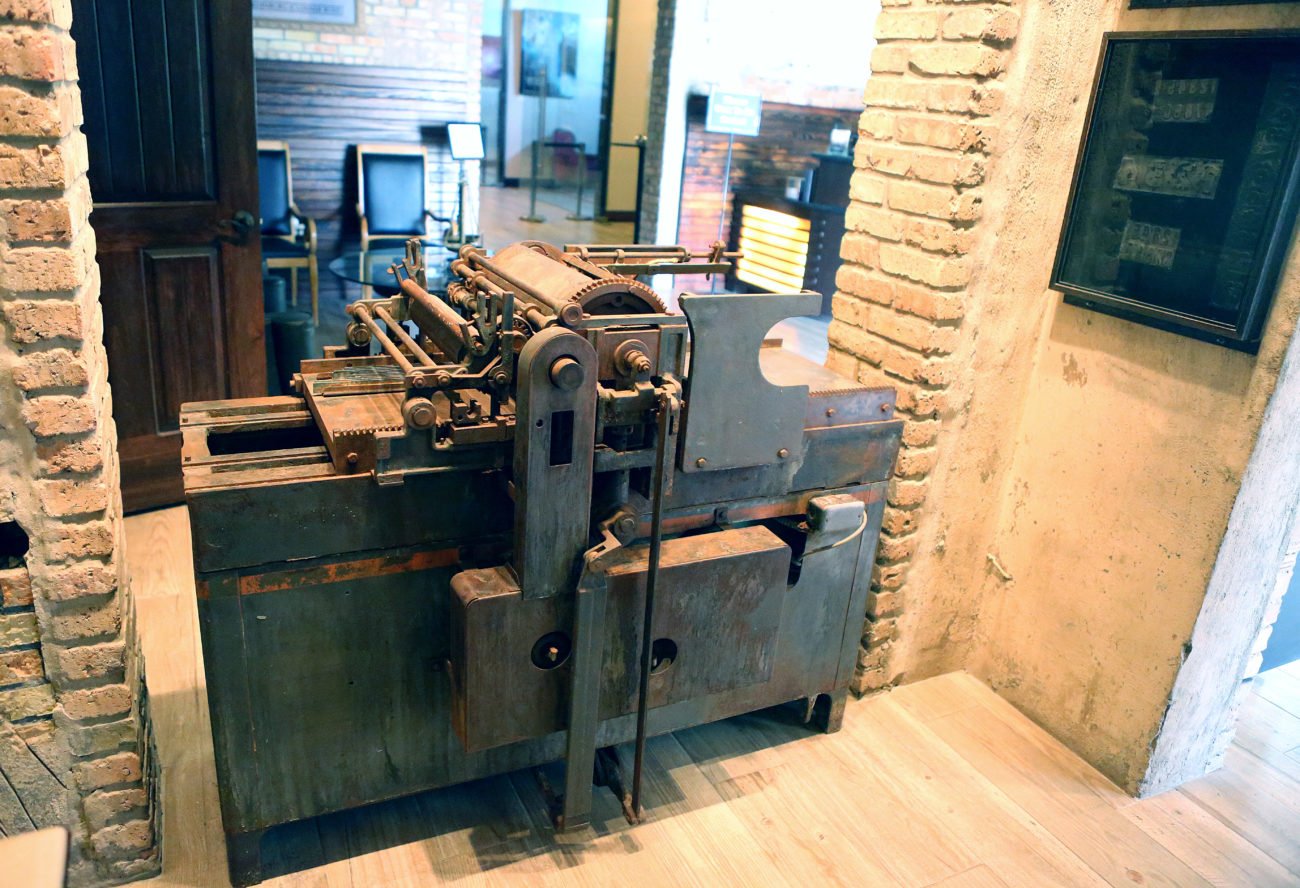
Though the physical papers may have ceased, their impact persists through local memories. A memorial to the Edinburg Daily Review, now housed within the PUIG Business Center, stands as a testament to the history of journalism in the area, preserving some of its original artifacts and reminding new generations of its legacy.
Conclusion
The closure of the Edinburg Daily Review and the Valley Town Crier marks the end of an era, illuminating the challenges faced by local journalism in today’s digital age. As information seekers adapt to changing mediums, the community must find new ways to fill the niches that these newspapers once held. Without strong local reporting, communities risk losing their voice and identity, emphasizing the need for innovative approaches to community engagement and journalism.
For those interested in the evolution of journalism, the story of the Edinburg Daily Review serves as a key chapter in understanding the significance of local news sources and their undeniable impact on society.
Explore the history of local journalism and understand its continuing evolution in a digital landscape.
