


DWI Concerns in the Rio Grande Valley: A Growing Threat to Public Safety
The Rising Tide of Drunk Driving Incidents
In the Rio Grande Valley, the issue of drunk driving isn’t just a minor concern; it has escalated into a significant public health crisis. Recent studies have shown alarming rates of driving while intoxicated (DWI) accidents and arrests throughout the region. Law enforcement agencies are actively seeking solutions to combat this troubling trend.
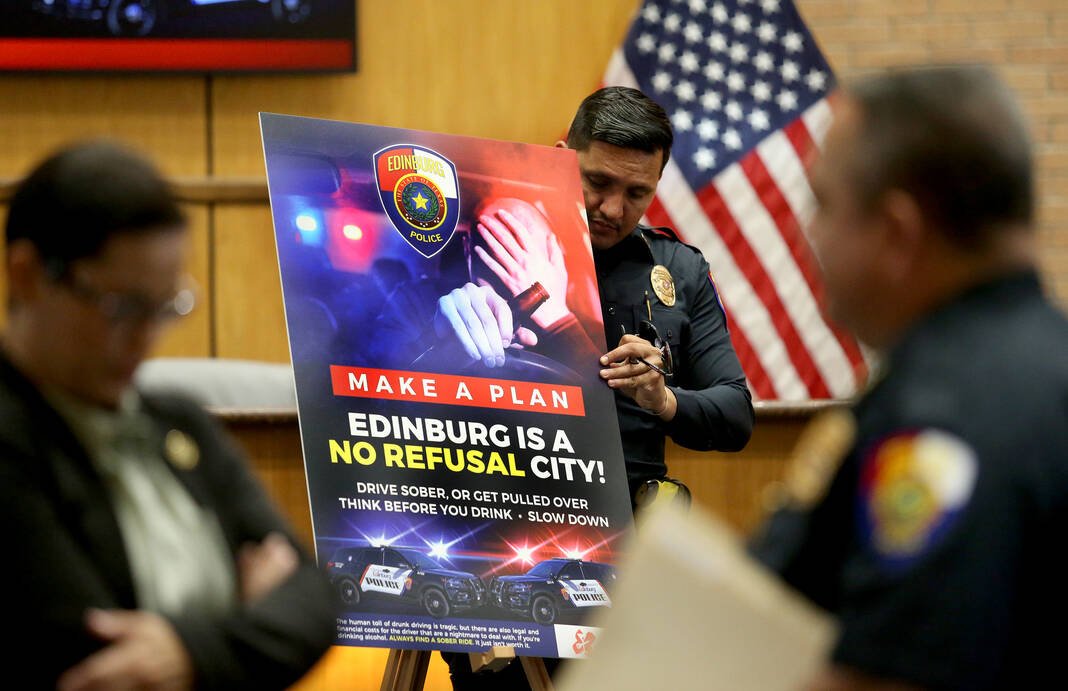
Hidalgo County officials have proposed implementing a “no refusal” policy, designed to compel individuals who refuse breathalyzer or chemical tests to submit to blood tests. Such measures are aimed at curbing the increasing rate of DWI incidents. Cameron County adopted similar regulations in 2015, leading to a decline in DWI cases and demonstrating evidence that strict enforcement measures can yield measurable results.
Historical Context of DWI in the Valley
Drunk driving isn’t a novel problem in the Rio Grande Valley. Each year, thousands of DWI arrests and hundreds of accidents transpire on local roads. In 2019, law enforcement and the Texas Department of Public Safety filed approximately 6,300 DWI charges within the Valley’s largest cities. The COVID-19 pandemic briefly reduced these numbers to around 4,800 in 2020 due to travel restrictions. However, even during this period, 547 alcohol-related accidents were reported, including 125 in McAllen alone. Now, post-pandemic, these troubling numbers are once again on the rise.
Understanding the Risk Factors
According to various studies, Hidalgo County has been ranked among the counties with the highest risk of encountering a drunk driver, even surpassing larger urban areas like Harris, Dallas, and Bexar counties. This higher risk is often attributed to cultural factors. As mentioned by former state senator Eddie Lucio Jr., the Latino culture, known for its community celebrations such as weddings and quinceañeras, inherently involves alcohol consumption. While these events are joyful, they also contribute to increasing DWI rates.
However, attributing these statistics solely to cultural norms oversimplifies the issue. It’s crucial to recognize that no tradition justifies driving under the influence, a behavior that endangers not only the driver but also passengers and innocent road users.
The Role of Law Enforcement
The responsibility of mitigating DWI-related incidents extends beyond cultural expectations. Law enforcement agencies often intervene only after erratic driving is reported or an accident occurs. While off-duty officers at public events may help curb drunk driving by dissuading impaired individuals, monitoring alcohol consumption within familial gatherings often falls short. The onus lies on individuals to make wise choices and families to ensure loved ones do not drive under the influence.
The Need for Personal Responsibility
To foster a safer community, the emphasis must shift towards personal accountability. Recognizing that even minor intoxication can impair judgment and reaction time is essential. Opting for alternative transportation—such as taxis, rideshares, or designated drivers—can dramatically reduce the risk of tragic accidents caused by drunk driving.
The Contrast of Safety in the Valley
Residents of the Valley often celebrate its low violent crime rates, suggesting it is one of the safest regions in the United States. Yet this perception becomes distorted on the roadways, where the threat of drunk driving looms large. Addressing the DWI epidemic requires a comprehensive approach involving community engagement, law enforcement cooperation, and personal responsibility.
Conclusion: A Call for Change
As the number of DWI incidents continues to rise in the Rio Grande Valley, it’s urgent to prioritize education, awareness, and strict enforcement measures. By fostering a culture of responsibility and safety, the community can work together to curb the alarming trend of drunk driving.
For more information on DWI prevention and local resources, consider visiting Mothers Against Drunk Driving or the Texas Department of Transportation. Together, we can strive to make our roads a safer place for everyone.
