


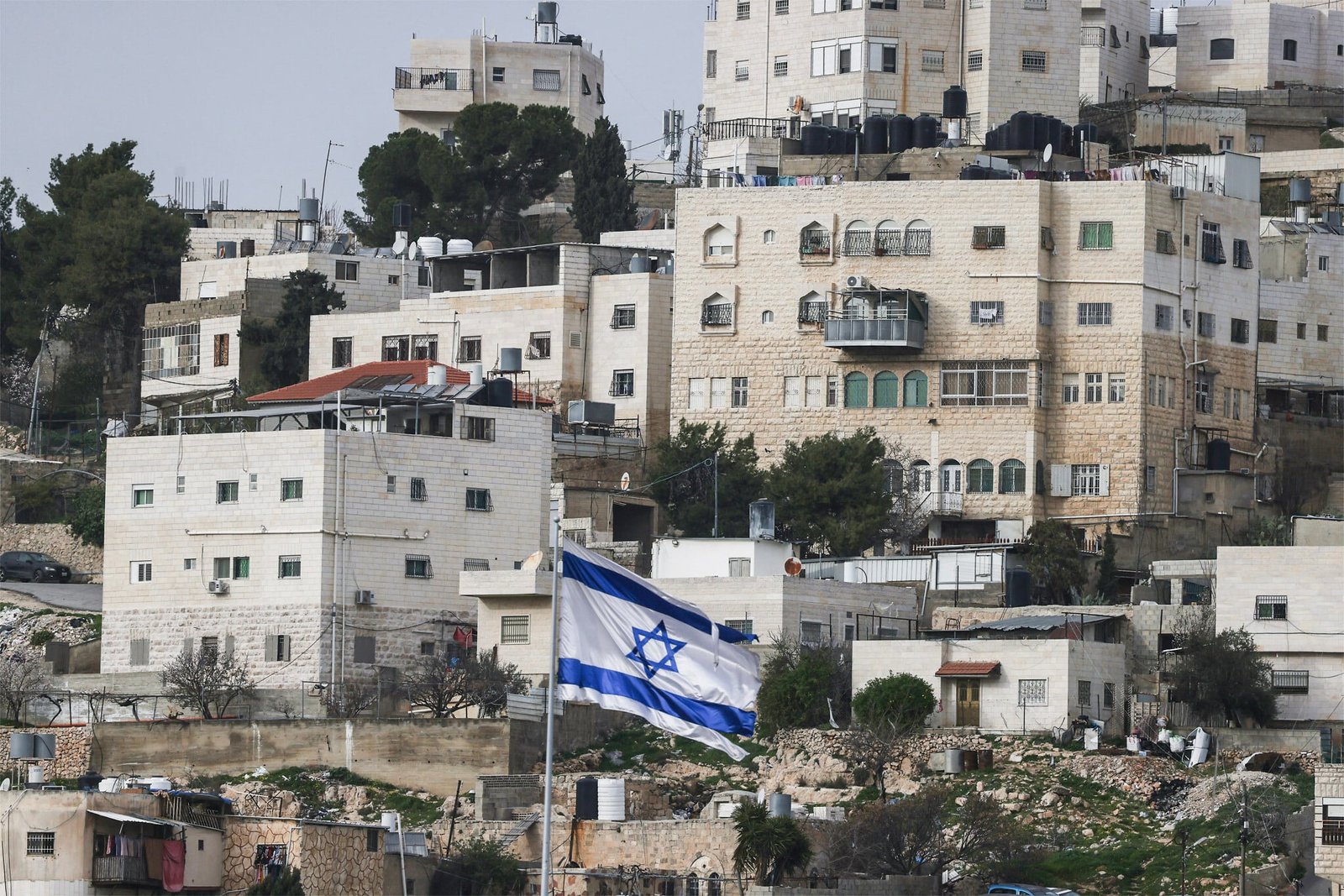
US Reiterates Opposition to Israeli West Bank Annexation Plans
The White House has once again emphasized its disapproval of Israel’s potential annexation of the West Bank, highlighting the essential nature of stability in the region. This statement comes in the wake of the Israeli security cabinet’s recent approval of measures aimed at extending Israeli control over territories that Palestinians envision as part of their future state.
Opposition to West Bank Annexation
In an official statement released on Monday, a White House representative stated, "President Trump has clearly articulated that he does not support Israel annexing the West Bank." The statement underscores the administration’s viewpoint that a stable West Bank is paramount for Israel’s security and aligns with broader goals of achieving peace in the region.
Despite expressing these concerns, the White House’s statement refrained from directly condemning the specific measures that the Israeli government approved. These measures are perceived as contravening the Oslo Accords by augmenting Israeli administrative authority in areas traditionally overseen by the Palestinian Authority.
Key Measures Approved by Israel
Finance Minister Bezalel Smotrich and Defense Minister Israel Katz announced the approved policies that could exacerbate tensions in the region. They include provisions allowing Jewish Israelis to purchase land directly in the West Bank and transferring authority over building permits for Jewish settlements in Hebron—one of the largest Palestinian cities—from the Palestinian Authority to Israeli control.
Moreover, these reforms strengthen Israeli oversight of two significant religious sites in the southern West Bank: Rachel’s Tomb near Bethlehem and the Tomb of the Patriarchs in Hebron.
Historical Context and Recent Developments
This latest move occurs amidst a backdrop of escalating discussions around the West Bank, where there have been longstanding concerns about the implications of Israeli settlement expansions. Over the past year, the Trump administration has maintained a position that appears to pivot between supporting Israeli sovereignty and advocating for a two-state solution.
In prior statements, Trump hinted at previously considering endorsing Israel’s annexation plans. However, pressure from Arab allies raised significant alarm over potential repercussions for regional stability, particularly concerning the viability of establishing a two-state solution.
International Response
Following the announcement of these measures by the Israeli security cabinet, a wave of international condemnation ensued. Countries from the Arab and Muslim world, the European Union, and the United Nations criticized the actions more directly, underscoring the tension points in the Israeli-Palestinian conflict.
The U.S. reaction to the cabinet decision underscores a careful diplomatic approach. The administration has previously responded to contentious Israeli policies with calls for stability in the West Bank without detailing the nature of its diplomatic outreach with the Israeli government.
Future Outlook
As the Trump administration continues to navigate its Middle Eastern policies, all eyes are on the upcoming meeting between President Trump and Israeli Prime Minister Benjamin Netanyahu, set for Wednesday. While the main focus of their discussions will likely center around Iran, the ongoing situation in Gaza and the implications of West Bank policies are anticipated to remain key talking points.
In summary, the administration’s opposition to Israeli annexation plans reflects ongoing tensions in the region and a commitment to diplomatic engagement aimed at fostering stability. As such developments unfold, they pose complex challenges for both U.S. foreign policy and the broader quest for peace in the historically contentious landscape of the Israeli-Palestinian conflict.
For those interested in deeper analysis and ongoing updates, reputable sources like The Times of Israel and BNN Bloomberg provide extensive coverage of the intricate developments in this highly sensitive geopolitical issue.
