


Japan Braces for a Potential Megaquake: What You Need to Know
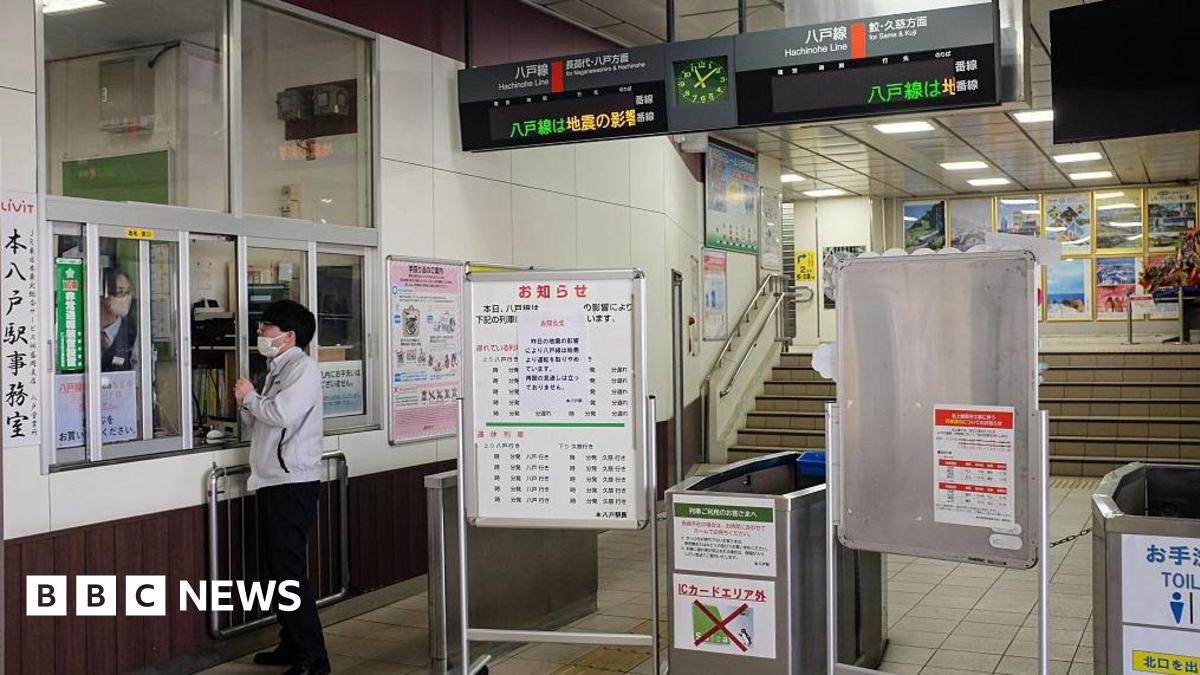
Japan’s seismic volatility has once again surged into the headlines following a magnitude 7.5 earthquake that struck northeastern Japan recently. Authorities are on high alert, issuing warnings about the potential for a significant seismic event—commonly referred to as the “big one.”
Understanding Japan’s Earthquake Risks
The “Big One” Explained
The term “big one” refers to powerful, megathrust earthquakes that Japan experiences approximately once every century. These seismic events are typically intense and can lead to catastrophic consequences, both for human life and economic stability.
Historically, the last major megathrust quakes occurred in 1944 and 1946, suggesting that the region may be due for another significant tremor. These earthquakes often occur in pairs, raising concerns about the timing and extent of future seismic activity.
Current Predictions from Experts
In September, Japan’s earthquake investigation panel released alarming predictions, stating that there is a 60–90% chance of a megaquake occurring in the Nankai Trough—an area characterized by high seismic activity stretching along Japan’s Pacific coast—within the next 30 years.
Potential Consequences of a Megaquake
The potential fallout from such an event is staggering. Experts have warned that a megaquake in this area could potentially trigger tsunamis exceeding 20m (66ft) in height. Such catastrophic waves could lead to approximately 300,000 fatalities and inflict economic damages amounting to trillions of dollars.
For more detailed statistics and historical context, refer to sources like the U.S. Geological Survey which provides extensive data on seismic events.
Preparedness Measures
In light of these predictions, Japanese authorities are actively encouraging residents to prepare for possible future earthquakes. This includes having emergency kits, establishing communication plans, and educating communities about safety procedures.
Community Awareness and Safety
Schools and local governments are ramping up awareness campaigns related to earthquake safety. Communities are urged to conduct regular drills, ensuring that in the event of an earthquake or tsunami, residents are equipped with the knowledge and resources necessary to protect themselves.
Conclusion
As Japan faces the reality of potential seismic threats, the emphasis on preparedness and awareness becomes ever more critical. Understanding the risks and knowing how to respond can save lives. For residents and visitors alike, it’s vital to stay informed about earthquake protocols and be prepared for any eventuality.
Keeping an eye on updates from authorities and organizations such as the Japan Meteorological Agency can provide critical information on current threats and safety measures.
For further information, you can explore more on earthquake preparedness, building codes, and safety recommendations at resources like Ready.gov and the National Earthquake Information Center.
Japan stands resilient, but vigilance and preparedness are key as communities brace for what the future may hold.
