


Iran’s Stance on Recent Escalations and Regional Security
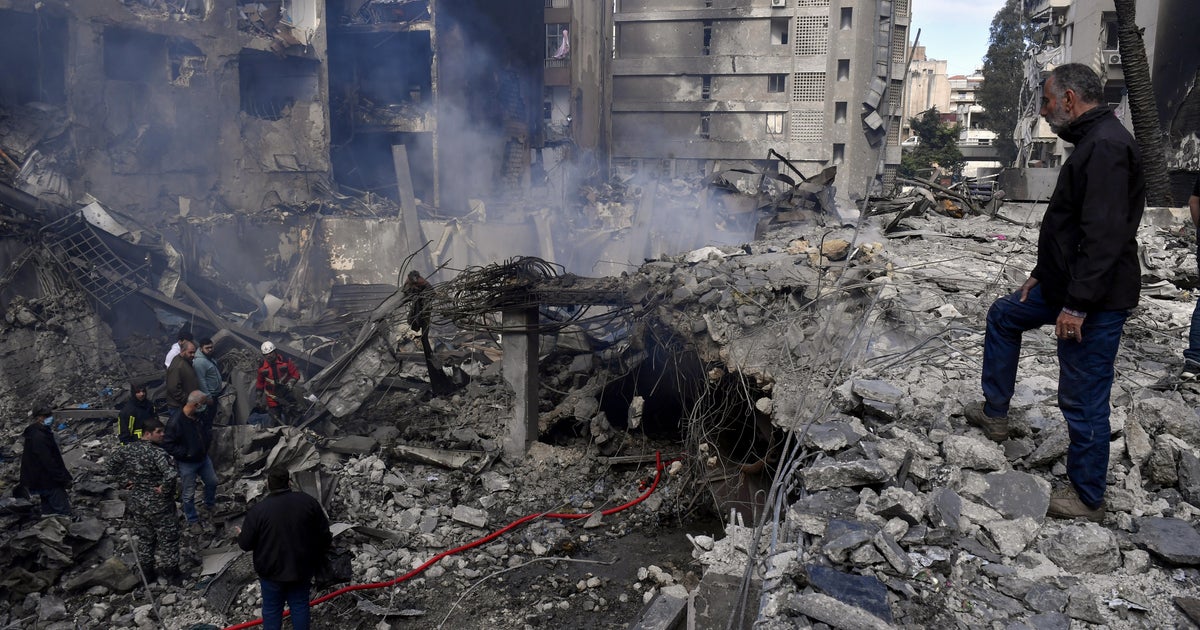
Iran’s Deputy Foreign Minister, Saeed Khatibzadeh, recently addressed the ongoing tensions in the Middle East, particularly focusing on Israeli military actions in Lebanon. He emphasized the seriousness of these actions, framing them as "a grave violation" of the established ceasefire agreement. This position underscores the complexities surrounding U.S. foreign policy in the region.
Ceasefire Violation and U.S. Actions
Khatibzadeh conveyed that the United States faces a pivotal choice regarding its involvement in the Middle East: it must choose between supporting a ceasefire or engaging in military action. “You cannot have it both at the same time,” he stated, referring to the contradictory nature of U.S. diplomacy. He criticized the notion that the U.S. could advocate for a ceasefire while simultaneously allowing Israeli attacks, which contradicted the terms laid out in previous agreements.
Response to Hezbollah’s Actions
When questioned about Iran’s influence over Hezbollah, the militant group based in Lebanon, Khatibzadeh remarked that Hezbollah operates as a "pure Lebanese freedom movement." While he acknowledged that Iranian Revolutionary Guard officers had been involved in training and equipping Hezbollah fighters, he insisted they were not acting on behalf of Iran, underscoring the autonomous nature of the group.
Despite the turmoil caused by Israel’s airstrikes, Khatibzadeh reassured that Iran remains focused on achieving a comprehensive agreement with international parties, particularly concerning nuclear negotiations.
Security in the Strait of Hormuz
In discussions regarding the Strait of Hormuz, Khatibzadeh asserted Iran’s intention to uphold security and ensure safe passage through these critical waterways. He stated that Iran’s security measures would be employed once what he termed "U.S. aggression" ceased. Khatibzadeh mentioned that Iran would collaborate with Oman and the international community to establish a protocol for safe passage in the Strait of Hormuz.
"There is a mutual responsibility when it comes to safety in these waters," he emphasized. Iran’s commitment to energy security is significant for both the nation and the broader regional dynamics in the Persian Gulf. Khatibzadeh signaled readiness to comply with international norms and laws, asserting that any new protocols would need to fortify peace in the area.
Doubts about U.S. Intentions
Khatibzadeh expressed skepticism regarding the possibility of a final peace agreement with the U.S., suggesting that Iran perceives Washington as potentially insincere in its diplomatic efforts. He posited that the U.S. might be exhausting diplomatic avenues only to revert to military solutions, thus complicating the prospects for lasting peace in the region.
Conclusion
The situation in the Middle East remains tenuous, with significant implications for international relations and regional stability. Iran’s officials have made clear their stance on various issues, from ceasefire violations to the role of Hezbollah, while also reiterating their commitment to ensuring maritime security. As tensions escalate, the international community must engage thoughtfully to navigate these complex dynamics and foster a sustainable peace.
For more information on international relations and conflict resolution, you can visit UN Peacekeeping or International Crisis Group.
