


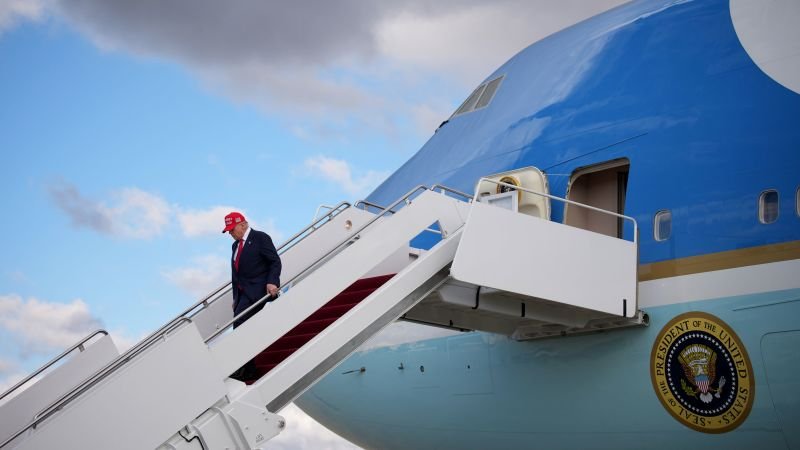
Trump Calls for Filibuster Elimination Amid Ongoing Government Shutdown
As the government shutdown continues, President Donald Trump has taken a decisive stance, urging congressional Republicans to consider eliminating the Senate filibuster to resolve the deadlock. This call for significant legislative change has sparked fresh debates within the Republican Party regarding the future of Senate rules, especially as lawmakers grapple with the implications of an extended government shutdown.
The Push for Change
In a recent post on Truth Social, Trump proclaimed that it’s time for Republicans to "play their ‘TRUMP CARD’" by opting for the so-called Nuclear Option — the elimination of the filibuster. This unprecedented move would enable the GOP to pass legislation to end the ongoing shutdown without needing the usual 60 votes to overcome filibuster opposition.
“Get rid of the Filibuster, and get rid of it, NOW!” Trump stated emphatically, signaling a drastic shift in strategy following his return from international engagements.
Impact on Legislative Dynamics
This announcement has significant implications for ongoing negotiations on Capitol Hill. GOP leaders have historically resisted calls to abolish the filibuster, citing concerns it could backfire during future Democratic administrations. The argument against eliminating the 60-vote threshold centers on the belief that the filibuster serves as a critical safeguard for minority party interests and encourages bipartisan cooperation.
Senate Majority Leader John Thune has long defended the existing rules, describing the filibuster as a "bulwark against a lot of really bad things happening with the country." Until Trump’s recent comments, Thune had not felt any pressure from the White House regarding filibuster reform.
The Impasse Grows
Despite intentions from both parties to reach a compromise, the shutdown continues to anchor discussions. With the Senate returning to session a mere days before breaking the record for the longest government shutdown, urgency mounts. This shutdown has already begun to affect critical food aid programs for millions of Americans, with benefits at risk of cessation over the weekend. The impact is further felt in industries like aviation, prompting the White House to host discussions with airline representatives and union leaders about operational strains due to the deadlock.
“If we did what we should be doing, it would IMMEDIATELY end this ridiculous, country-destroying ‘SHUT DOWN,’” Trump declared.
Future of the Filibuster Debate
Trump’s latest appeal to eliminate the filibuster represents a pivotal moment in Republican strategy, questioning the longevity of traditional Senate practices. His insistence on using existing majority power to expedite government functions indicates a shift in tone, potentially pressuring GOP members to reassess their commitment to maintaining the filibuster.
With a government shutdown now entering its fifth week, the stakes are high for lawmakers. As tensions rise and public pressure mounts, how the Republican Party responds to Trump’s challenge could redefine Senate norms and influence legislative processes for years to come.
The ongoing discussions around the filibuster reflect a broader struggle over governance in the United States. Learn more about the implications of this legislative tool and how its potential repeal could impact future political battles.
This moment serves as a critical juncture in not just the current shutdown saga, but also in the evolution of congressional dynamics as political motivations and procedural strategies collide under intense scrutiny. The coming days will be pivotal in shaping not only the immediate future of the government shutdown but potentially the broader legislative landscape in America.
