


President Trump Vetoes Arkansas Valley Conduit Act: Implications for Southeastern Colorado
Introduction
In a significant political move, President Donald Trump recently vetoed the Finish the Arkansas Valley Conduit Act, a decision that has left many in southeastern Colorado in disbelief. Despite bipartisan support and the potential for providing clean, reliable water to 39 communities, this act now stands one signature short of becoming reality.
The Arkansas Valley Conduit: A Long-Awaited Solution
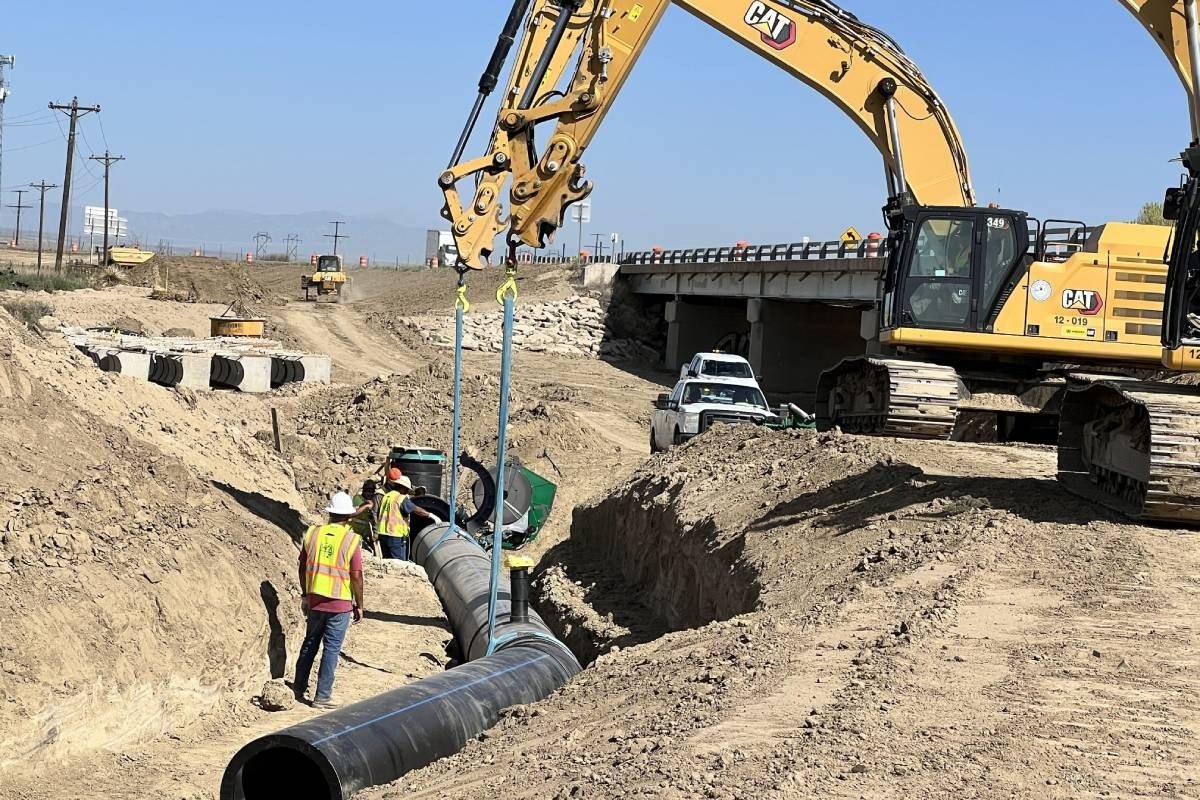
The Arkansas Valley Conduit has been a project of interest for local communities since the 1960s. Its aim? To deliver clean drinking water from the Pueblo Reservoir to numerous counties, including Bent, Kiowa, Crowley, Otero, Prowers, and Pueblo. This new infrastructure is especially crucial as groundwater in the area can often be tainted with harmful substances, including radioactivity.
The project broke ground in 2023, with federal funding being essential for its completion due to the substantial costs involved. Originally, legislation mandated local and state funding for 100% of the project costs; however, federal intervention began in 2009 under the Obama administration, which opened doors for necessary financial support.
President Trump’s Veto Explained
On the veto, President Trump asserted his administration’s commitment to economic prudence. In his statement, he declared, “Enough is enough. My administration is committed to preventing American taxpayers from funding expensive and unreliable policies.” Trump’s administration viewed the conduit as a drain on taxpayer resources, despite the Congressional Budget Office estimating its costs to be less than $500,000.
Bipartisan Support and Reactions
The veto has sparked backlash from many, including key local leaders. Rep. Lauren Boebert, who sponsored the bill, expressed her disappointment, stating, “If this administration wants to make its legacy blocking projects that deliver water to rural Americans; that’s on them.” Similarly, Rep. Jeff Hurd, a co-sponsor of the House version of the bill, emphasized that the veto threatens the viability of clean drinking water standards in southeastern Colorado.
Local water advocates, such as Southeastern Colorado Water Conservancy District Senior Policy and Issues Manager Chris Woodka, argue that the project is essential for public health, as it meets federally mandated water quality standards for approximately 50,000 regional residents.
The Path Ahead: Congressional Override?
Despite strong support—passing unanimously in both the House and Senate—the veto places a significant hurdle in the way of the project’s progress. Overriding the veto would require Republican leaders to brave the potential fallout from challenging the party’s leader.
Prominent Democrats in Colorado, including Senators Michael Bennet and John Hickenlooper, have labeled the veto as a “revenge tour” against local interests. Hickenlooper called for Congress to act swiftly to overturn Trump’s decision.
The Economic and Social Impact
The Arkansas Valley Conduit is more than just a pipeline; it embodies the hopes of local communities for sustainable water access. It promises to create jobs and sustain local economies dependent on agriculture and industry. The potential benefits underline that this project is not merely infrastructure; it’s a lifeline for 39 communities needing access to clean water.
From agricultural development to the preservation of public health, the implications of this project extend far beyond immediate needs. Delays in funding could jeopardize over $200 million already invested, risking not just taxpayer dollars but also the future of water safety in southeastern Colorado.
Conclusion
As the discourse around the Arkansas Valley Conduit continues, it remains crucial for local leaders and constituents to advocate for water safety and reliable infrastructure. The necessity for clean drinking water in rural American areas cannot be overstated, and the current political climate poses challenges that must be navigated for the benefit of the public.
