


Escalation of Conflict: U.S. and Israeli Strikes on Iran Shift Dynamics in the Middle East
As tensions continue to rise in the Middle East, President Trump announced that the United States initiated military strikes against Iran over the weekend, asserting that the action was taken in response to imminent threats from Iran. This declaration marks a significant escalation in the ongoing conflict, drawing in multiple regional actors and raising concerns about a broader military engagement.
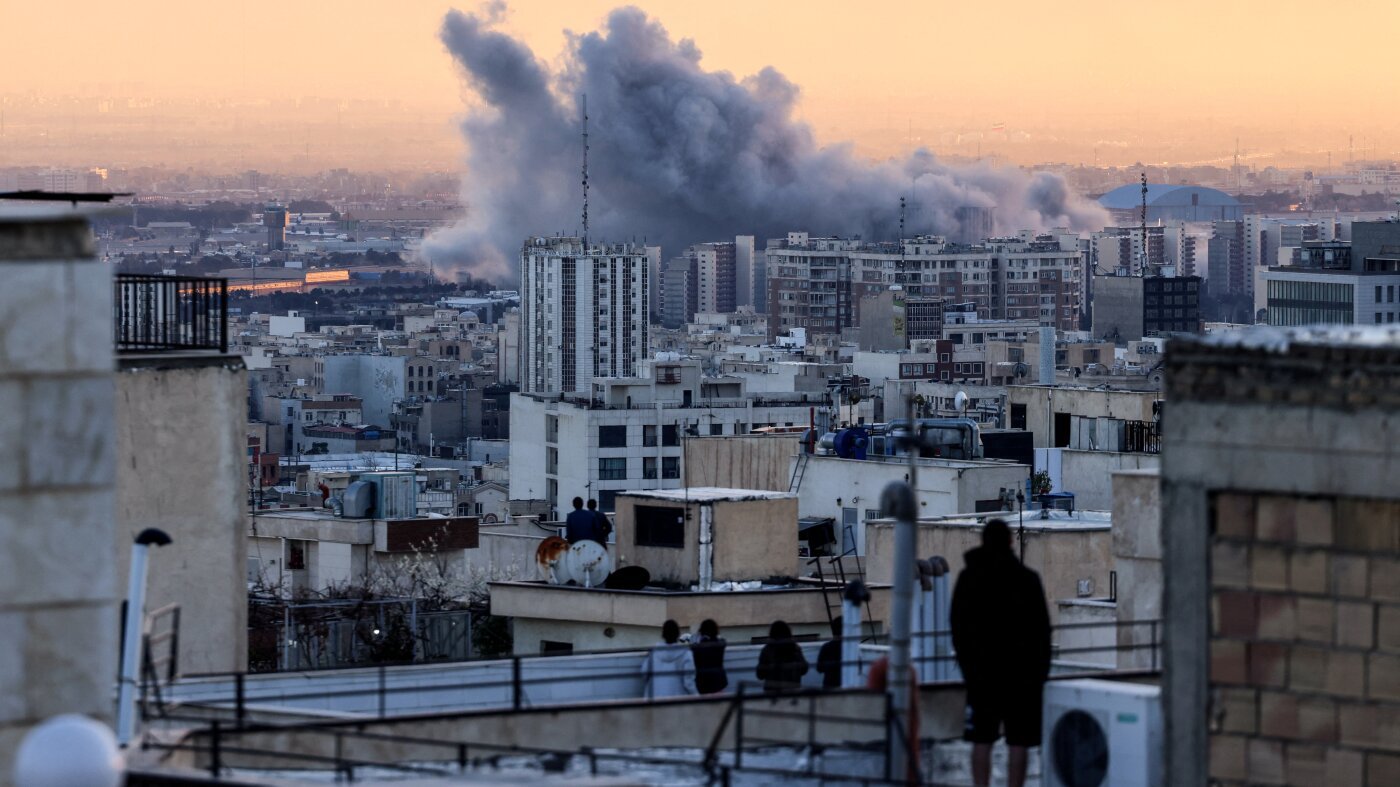
A person standing on the roof of a building looks at a plume of smoke rising after a strike on the Iranian capital, Tehran, on Tuesday.
Credit: Atta Kenare/AFP via Getty Images
War Expands Across the Region
Since the strikes began, Iranian drones have targeted the U.S. Embassy in Saudi Arabia, intensifying military operations throughout the region. Simultaneously, Israel has deployed ground forces into Lebanon, underscoring the immediate ramifications of the conflict that now affects broader Middle Eastern geopolitical dynamics.
To date, the conflict has been particularly devastating. Reports indicate that at least 787 casualties have been reported in Iran alone, primarily due to U.S. and Israeli airstrikes. The Pentagon has confirmed the deaths of six U.S. service members and mentioned that more casualties are anticipated as operations continue.
Rising Casualties and International Response
Amidst the ongoing strikes, ten Israeli citizens have also succumbed to missile attacks from Iran, triggering alarm bells regarding the sustainability of stability in the region. Reports from the Iranian Red Crescent Society further highlight the severe human toll as strikes impact multiple urban areas.
U.S. Officials Urge Evacuations
In light of the escalating hostilities, U.S. Embassy officials have advised American citizens to evacuate immediately from various nations in the region, facing escalating hostility. The U.S. Embassy in Riyadh specifically cautioned against entering its compound following drone strikes that they described as a "flagrant Iranian attack."
Additionally, the situation has prompted a reevaluation of safety protocols across diplomatic missions, with drone incidents reported near U.S. facilities across the UAE and Jordan.
Shift in Military Strategy
President Trump has repeatedly emphasized that the military actions were necessary due to Iran’s possible aggression, stating, "It was my opinion that they were going to attack first." However, he has failed to provide verifiable intelligence to substantiate these claims.
As the conflict unfolds, Operation Epic Fury has been established to dismantle Iran’s offensive capabilities, including its missile production facilities and naval assets. Defense officials anticipate that achieving a decisive military objective could lead to a swift resolution within weeks.
Israel Targets Hezbollah in Lebanon
In response to the strikes on their homeland and the murder of Ayatollah Ali Khamenei, Israeli forces have intensified their efforts against Hezbollah, launching tactical strikes aimed at command centers and weapon storages in southern Beirut. The situation has forced thousands of civilians to flee their homes, exacerbating the humanitarian crisis in the region.
Humanitarian Crisis Intensifies
Reports indicate that the Lebanese Health Ministry has documented at least 50 fatalities as a direct result of the ongoing Israeli bombardment. The war has now sent waves of displacement across Lebanon as citizens grapple with the chaos of unpredictable violence.
Iran’s Retaliatory Measures
Iran has responded aggressively to the strikes, closing the Strait of Hormuz, a crucial passageway for global oil shipments. Iranian officials have warned foreign vessels not to attempt passage through the strait, indicating a high likelihood of further confrontations in the coming weeks.
Economic Impact on Global Markets
The ongoing conflict is not only affecting military and humanitarian conditions but is also significantly impacting global energy markets. As airstrikes continue, prices for oil and natural gas have surged, raising alarms about future supply disruptions. Japan’s Foreign Minister has urged for the re-opening of the strait, emphasizing its pivotal role in maintaining global energy security.
Conclusion: A Long and Uncertain Path Ahead
As military actions worsen, President Trump has hinted at potential diplomatic resolutions, although the specific trajectory and potential cessation of hostilities remain uncertain. The evolution of this conflict will require keen observation, as many nations analyze geopolitical ramifications borne from the tumultuous interactions in the Middle East.
With Americans and foreign nationals being advised to leave the region promptly, the repercussions of this conflict will unfold on numerous fronts, impacting humanitarian conditions, military strategies, and international diplomatic relations.
For continuous updates on the situation, stay informed through credible news sources and governmental advisories.
This article captures the intricate details surrounding the current conflict in the Middle East, emphasizing critical updates, military actions, and the evolving humanitarian situation. Make sure to consult external links for deeper insights into each segment discussed.
