


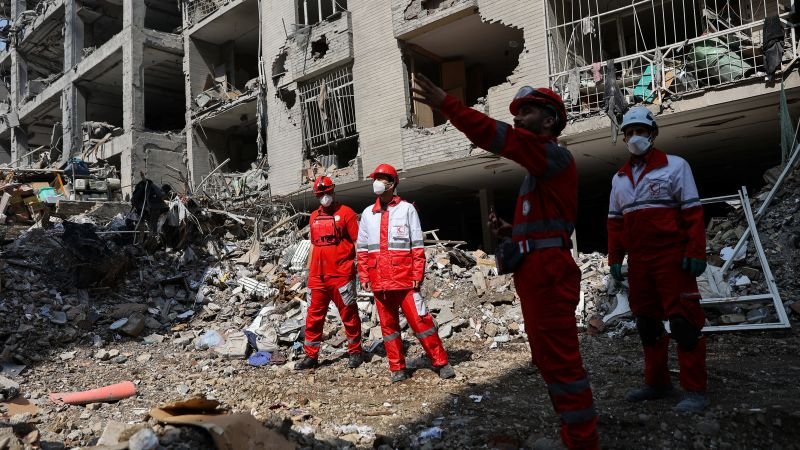
Tensions Rise Over Iran: Inside the Controversy Surrounding Trump’s Military Decisions
Former Director of the US National Counterterrorism Center, Joe Kent, recently raised significant concerns regarding the dynamics within the Trump administration that led to military actions against Iran. His insights reflect deep divisions concerning US foreign policy, especially in relation to Israel and the broader Middle East.
The Echo Chamber Effect
During his appearance on the Megyn Kelly Show, Kent illuminated how pro-war advocates, particularly those aligned with Israel and U.S. senators like Lindsey Graham, created an "echo chamber" around President Trump. This environment, he argues, isolated the president from dissenting voices and alternative viewpoints that could have tempered the decision-making process regarding military interventions.
Isolation of Leadership
“I witnessed the bubble forming around President Trump,” stated Kent, who recently resigned due to his opposition to the ongoing military strategy. According to Kent, the isolation diminished the president’s ability to receive a comprehensive perspective on the implications of striking Iran—thus narrowing the scope of information that ultimately influenced his decisions.
Historical Context: A Shift in Military Strategy
Kent emphasized that the lead-up to a potential strike on Iran starkly differed from previous military operations, particularly Trump’s prior decision to bomb Iranian nuclear sites. In that earlier instance, extensive debates within the administration characterized the decision-making process, highlighting a robust engagement before resorting to military options.
In stark contrast, Kent suggests that Israeli Prime Minister Benjamin Netanyahu and his advisors efficiently pressured Trump to act swiftly. This push, he claims, occurred before the administration could adequately consider the potential consequences of such military actions.
Misleading Assurances
Kent articulated that pro-war advocates used persuasive arguments to convince Trump that a military strike would yield swift and uncomplicated results. “They led him to believe that if he acted, it would effectively resolve the situation in no time,” Kent remarked, reflecting his concerns about the potential ramifications of such a misguided belief.
White House Response: Defending the Military Action
In light of Kent’s resignation and subsequent statements, the White House responded vehemently. Spokesman Davis Ingle characterized Kent’s resignation letter as “riddled with lies,” insisting that Iran indeed poses a substantial threat to the United States.
Ingle specifically addressed Kent’s claims regarding Iran as a significant state sponsor of terrorism and the assertion that Israel coerced Trump into initiating military operations. Such statements resonate strongly within ongoing debates over U.S. foreign policy.
Kent’s Continued Advocacy
Following his resignation, Kent has engaged with various conservative media outlets, including an extensive interview with Tucker Carlson, emphasizing his skepticism toward the military strategy that the Trump administration adopted against Iran. These discussions indicate his resolve to voice dissent against prevailing narratives surrounding U.S. military engagements.
Conclusion
The complexities surrounding U.S.-Iran relations and the role of influence among pro-war advocates remain critical topics of national discussion. As this situation unfolds, the implications of leadership isolation and the dynamics of military decision-making continue to weigh heavily on public discourse. The necessity for comprehensive debate and inclusive policymaking processes has never been clearer to ensure that all aspects of national security are thoroughly considered before engaging in military action.
Staying informed about such critical issues is essential. For ongoing updates on U.S. foreign policy and Middle Eastern affairs, follow reputable news sources and engage in discussions that shape our understanding of these pressing matters.
