


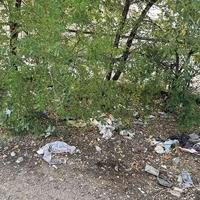
Tackling Litter: The Case for Banning Single-Use Plastic Bags
The push to ban single-use plastic bags transcends mere environmental considerations; it is a vital step to address the escalating litter crisis in our communities. The increasing prevalence of plastic waste is a serious issue that affects both environmental integrity and community aesthetics.
Understanding the Litter Crisis in Our Valley
A significant portion of the litter that plagues our neighborhoods can be attributed to the unhoused population. Often using these plastic bags as makeshift shelters or to transport their belongings, the discarded bags contribute to a rapidly worsening litter situation. This reality has led to unsightly scenes across our streets and parks, heightening the trash dilemma that many communities face.
The Disconnect Among Local Officials
One troubling aspect of the debate around banning plastic bags is that some opponents, including members of the City’s Governing Body, have never engaged in community cleanup activities. This detachment means they are often oblivious to the true state of our surroundings. While local leaders may profess a commitment to community welfare, their lack of hands-on involvement reveals a disconnect from the issues at hand.
Their unreadiness to discuss initiatives such as the ban on single-use plastic bags showcases a gap in understanding regarding litter’s impact on property values and public spaces. Recent outings to areas like Santo Niño have disclosed numerous encampments, underscoring how prevalent litter—mainly plastic bags—has become in regions that often go unnoticed by decision-makers.
The Importance of Being Involved
As stewards of the community, elected officials have a responsibility to engage with residents actively. Merely operating from behind a desk is insufficient. Areas far removed from well-trodden paths often harbor unseen litter problems. For those involved in cleanup efforts or who reside in these neighborhoods, the consequences of negligence are visible and distressing.
Visible Impact of Litter on Community Health
The streets filled with trash largely stem from the struggles of the unhoused, significantly detracting from the aesthetics and environmental well-being of our neighborhoods. Opponents of a ban on single-use plastic bags often argue that it imposes an unnecessary burden or punishes those who rely on affordable bags for their needs. However, this viewpoint limits the broader discussion about combating litter and environmental degradation.
Rethinking Convenience for a Better Future
The argument against banning plastic bags often centers on convenience, but this overlooks the more pressing need for a cleaner environment. This initiative isn’t about making life harder for residents; rather, it aims to eliminate a major source of pollution that affects everyone. The focus should be on crafting a cleaner community, rather than perpetuating a cycle of litter that drags down collective property values and public spaces.
Take action now: a ban on single-use plastic bags could serve as a significant stride toward a cleaner future. While it may not be a complete solution, it is certainly a step toward revitalizing our streets and ensuring our environment remains healthy and beautiful.
The Path Forward for a Cleaner Community
Our community cannot afford to delay action any longer. Implementing a ban on single-use plastic bags signals a commitment to addressing the litter issue head-on. It reinforces accountability and establishes a foundation for a cleaner environment for everyone. Instead of letting these pressing matters fade into the background of political discourse, we must confront them with urgency.
For the sake of our community’s future, it is time to embrace change that promotes cleanliness and enhances the overall quality of life in our neighborhoods. By restricting single-use plastic bags, we can work toward an enduring solution to the litter problem—helping foster a vibrant and inviting atmosphere for all residents.
For more information on the impact of plastic pollution and how communities can combat it, check out resources from Greenpeace and National Geographic.
This article emphasizes the importance of taking proactive measures against litter while promoting a cleaner environment for future generations.
