


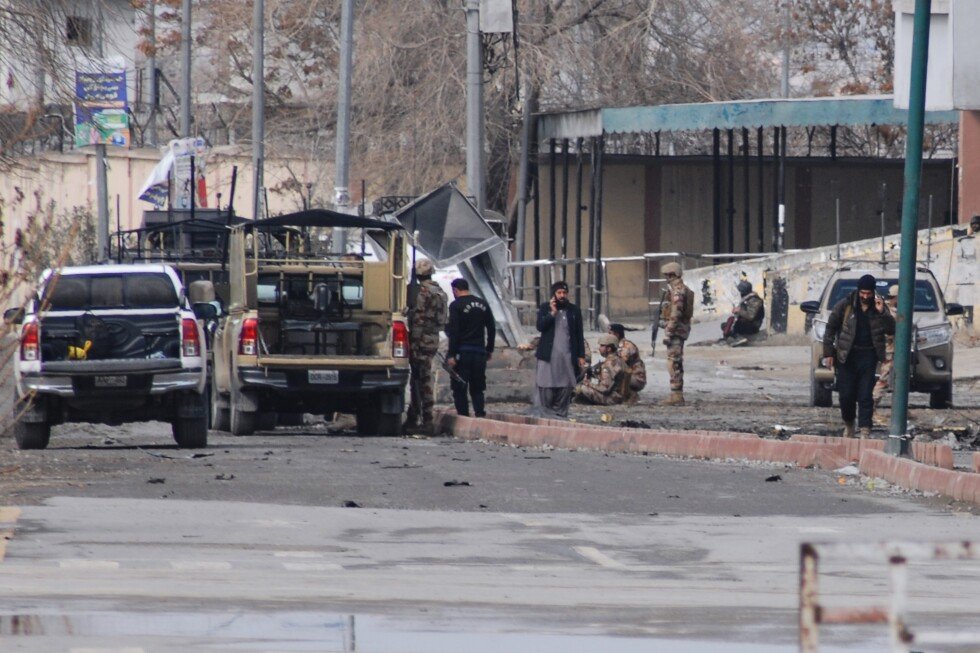
Deadly Attacks in Balochistan: A Surge in Violence
QUETTA, Pakistan — In a shocking escalation of violence, Pakistan’s military reported that coordinated suicide missions and armed assaults occurred across the volatile southwestern province of Balochistan, leading to the deaths of 33 individuals, including civilians and security personnel. The attacks, carried out by various militant factions, are described as among the deadliest in decades.
Details of the Attacks
According to military sources, the assaults resulted in the deaths of 18 civilians, 15 security forces, and a staggering 92 insurgents. This marked a significant uptick in militant activity, with authorities asserting that at least 133 militants have been neutralized in Balochistan over the past 48 hours.
The Baloch Liberation Army (BLA) claimed responsibility for the onslaught, which targeted several key locations, including police stations, a high-security prison, and paramilitary installations. The insurgents also engaged in bank robberies and set numerous vehicles ablaze. Disturbingly, they released videos showcasing female combatants participating in these violent acts, seemingly aiming to broaden their appeal and recruitment strategies.
Military Response and Accusations of Foreign Influence
In the aftermath of the attacks, Pakistan’s Interior Minister, Mohsin Naqvi, stated that the coordinators of the violence were allegedly supported by India, an accusation New Delhi has historically denied.
The military’s response was swift and lethal; they reported the killing of 92 attackers during their counter-offensive efforts. In his statements, Sarfraz Bugti, the provincial chief minister, asserted that security forces have been relentless, claiming to have eliminated 700 insurgents in the past year alone.
Simultaneous and Strategic Targeting
The violence unfolded synchronously across various districts, drawing immediate responses from law enforcement and medical facilities. In Quetta, two police officers were killed after a grenade attack targeted their vehicle. An emergency was declared in hospitals to handle the influx of casualties.
In one of the most alarming incidents, militants stormed a prison in Mastung, freeing over 30 inmates. Attempts to attack the provincial headquarters of paramilitary forces in Nushki were met with strong resistance. Other areas, including Dalbandin, Tump, and Kharan, saw thwarted attempts on local security posts, while insurgents tried to abduct travelers in Pasni and Gwadar.
A Mountain of Challenges Ahead
Balochistan has a long history of unrest, primarily driven by separatist sentiments amid claims of neglect from the central government in Islamabad. The implications of these attacks underscore the ongoing challenge faced by security forces in the region, especially as Baloch separatists and groups like the Tehrik-e-Taliban Pakistan (TTP) have ramped up their operations recently.
“This is a significant moment for Pakistan’s security landscape,” commented Abdullah Khan from the Islamabad-based Pakistan Institute for Conflict and Security Studies, noting that such high numbers of insurgents killed in a single day is unprecedented.
Conclusion: A Region in Turmoil
As the situation continues to develop, Pakistan finds itself grappling with immense internal challenges, exacerbated by accusations of outside interference. The sustained violence in Balochistan—a region marked by ongoing insurgency—hints at a deeper and more complex narrative involving identity, autonomy, and governance. The ramifications of these attacks reach far beyond mere casualties, as they threaten the fragile fabric of civil order in Pakistan.
For more context on the Baloch Liberation Army and its activities, consider consulting further sources that detail the historical tensions and the challenges faced by authorities in maintaining peace in this turbulent region.
