


Iranian Missile Strike in Haifa: A Deep Dive into the Incident and Ongoing Conflict
On a tense Sunday morning, an Iranian ballistic missile struck a residential building in Haifa, leaving four individuals injured—one of whom is in serious condition. The attack is part of escalating violence in northern Israel, which has faced continuous missile and drone strikes attributed to Iran and its Lebanese ally, Hezbollah.
The Attack and Immediate Aftermath
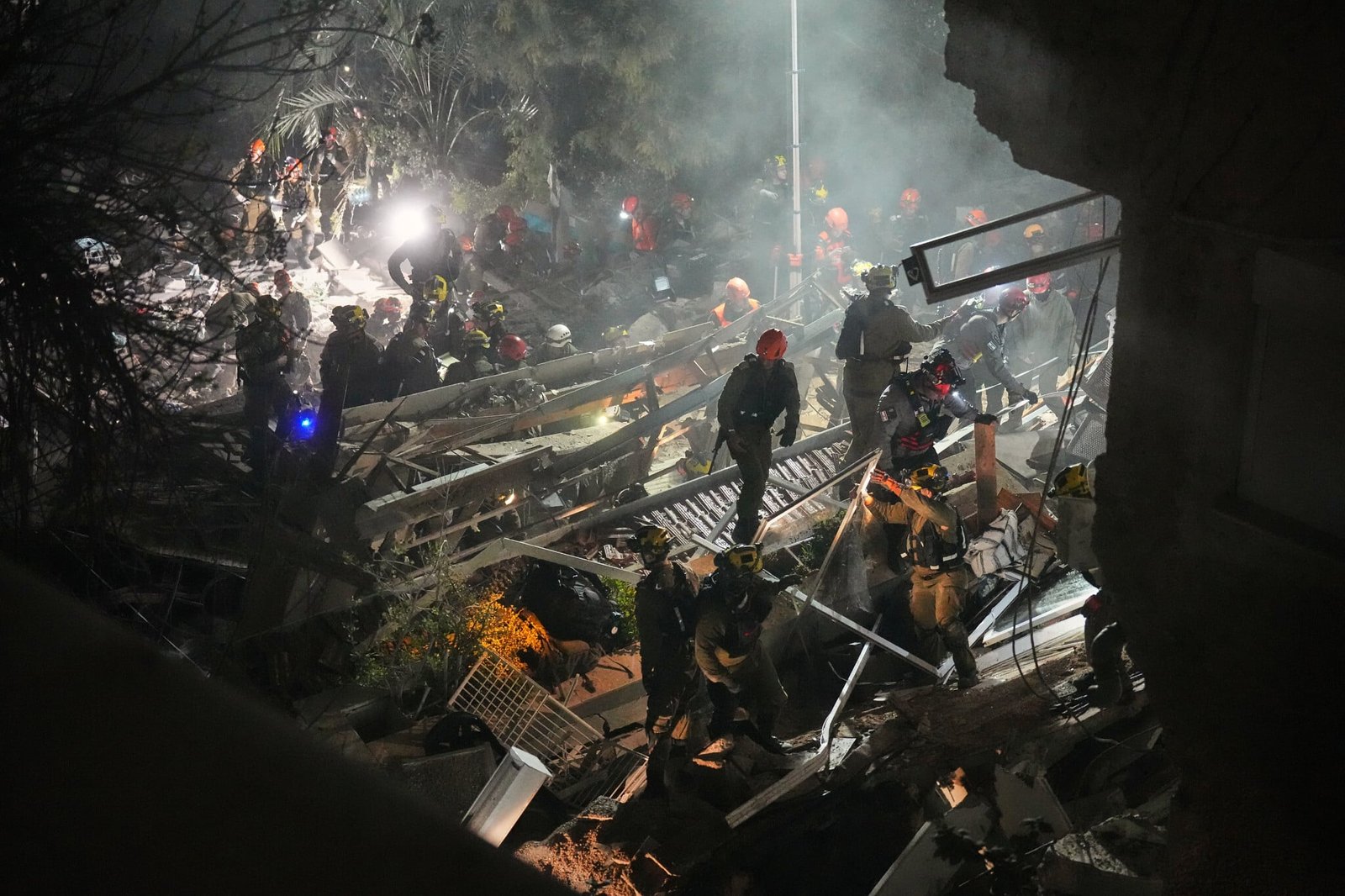
Initial reports from first responders indicated that four people were missing, likely trapped under the debris. Rescue teams, including firefighters and the IDF Home Front Command, launched an urgent search operation. Among those feared trapped were two elderly individuals and a child.
Casualties and Emergency Response
According to Magen David Adom (MDA), the emergency medical service in Israel, an 82-year-old man was reported to have sustained serious injuries, while three others suffered from lighter injuries due to the blast and flying shrapnel. Additionally, several others were treated for acute anxiety as a result of the traumatic experience.
The Fire and Rescue Service noted that the building was at a high risk of collapsing due to the fire sparked by the missile strike. Scanning operations were hampered by the complexity of the situation, particularly with potential individuals trapped beneath the rubble.
Ongoing Threat from Hezbollah and Iranian Forces
Simultaneously, Hezbollah significantly intensified its rocket and drone assaults on northern Israel. Throughout the day, sirens wailed across the region in response to incoming threats. A drone originating from Hezbollah grazed a home in the community of Shomrat, causing damage but fortunately resulting in no casualties.
Reports indicate that Hezbollah has been launching hundreds of rockets daily since it joined forces with Iran against Israel. Most launches target Israeli military positions in southern Lebanon; however, some do cross the border into Israeli territory. The Israel Defense Forces (IDF) claim to have engaged with and intercepted several incoming rockets and drones throughout the day.
Investigation into the Missile Strike
In light of the missile strike on Haifa, the Israeli Air Force has opened an investigation regarding the failure to intercept the Iranian projectile. The military confirmed that attempts were made to neutralize the threat, but the defenses were unsuccessful. Preliminary assessments suggested that the missile carried a conventional warhead rather than a cluster bomb, increasing concerns about its potential impact.
Safety Measures for Residents
Following the events in Haifa, Police Commissioner Danny Levy advised that several nearby buildings were evacuated as a precaution, in case the missile’s warhead had not detonated upon impact.
The Wider Context: Hezbollah’s Escalating Attacks
The aerial assaults by Hezbollah are part of a broader engagement since they partnered with Iran in its anti-Israel campaign. The IDF reported significant rocket fire targeting not only Israeli forces but also United Nations posts in southern Lebanon, where recent clashes have injured members of the observer force.
Israeli airstrikes have targeted numerous Hezbollah positions, with claims of around 1,000 Hezbollah operatives, including elite forces, killed since the conflict escalated. Furthermore, the IDF has reportedly struck over 3,500 Hezbollah targets, ranging from command centers to weapon storages.
Statements from Military Leadership
IDF Chief of Staff Lt. Gen. Eyal Zamir, on a visit to the northern border, reaffirmed Israel’s commitment to dismantling Hezbollah’s military capabilities. He noted that military operations in southern Lebanon aim to fortify national security and diminish the immediate threat to northern communities.
The Path Forward
Zamir emphasized that eliminating the threat posed by Hezbollah is a strategic priority, necessitating both military action and political solutions. Despite substantial military efforts and casualties on both sides, including wounded UN peacekeepers and Israeli civilians, the road to stability remains fraught with challenges.
Conclusion
The missile strike in Haifa and its aftereffects underscore the volatility of the region and the multi-faceted nature of the ongoing conflict involving Iran, Hezbollah, and Israel. Continuous monitoring and strategic responses will be crucial as the situation unfolds in what has turned out to be a complex confrontation with far-reaching implications for regional security.
For ongoing updates on the situation in Israel and Lebanon, follow reliable news sources and official government announcements.
