


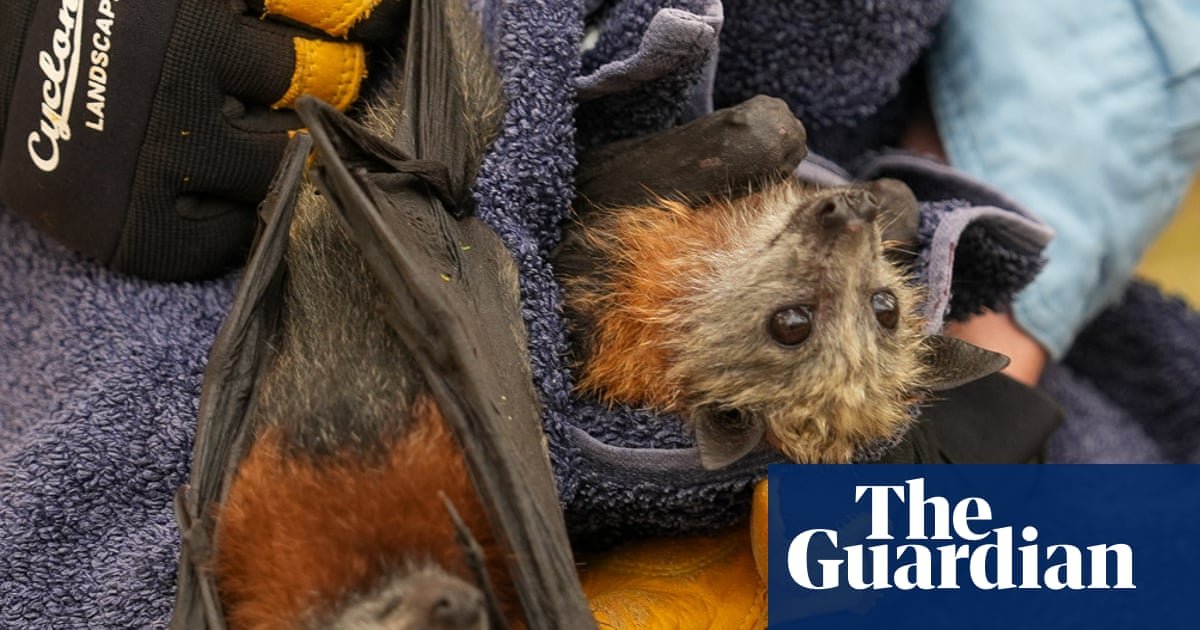
Catastrophic Heatwave Causes Mass Mortality Among Flying Foxes in Australia
Recent extreme heat in south-east Australia has led to the death of thousands of flying foxes, marking the largest mass mortality event for these essential pollinators since the catastrophic Black Summer of 2019-2020. This unfortunate occurrence has raised significant concerns about the ongoing impact of climate change on native wildlife, particularly the vulnerable grey-headed flying foxes.
Impact of Extreme Temperatures
During the recent heatwave, temperatures soared to unprecedented levels, resulting in tragic fatalities in colonies across South Australia, Victoria, and New South Wales. Wildlife experts estimate that 1,000 to 2,000 flying foxes succumbed to the heat in South Australia alone, with countless others affected in Victoria and New South Wales.
The grey-headed flying fox, a species listed as vulnerable under federal environment laws, was the most heavily impacted. Tamsyn Hogarth, director of the Fly by Night bat clinic in Melbourne, reported tragic scenes where volunteers encountered thousands of deceased bats at multiple sites, including Brimbank Park and Yarra Bend.
Rescue Efforts and Challenges
Wildlife volunteers strived to mitigate the crisis by rescuing orphaned pups found clinging to deceased mothers. These young bats face a grim fate of heat stress, starvation, or predation if not rescued. Hogarth noted that many adult bats were unable to handle the extreme heat, particularly in exposed areas like treetops lacking foliage and shaded spots.
Despite their tireless efforts, the mortality rate was alarmingly high. Professor Justin Welbergen, an expert in flying foxes from Western Sydney University, asserted that temperatures consistently exceeding 42°C can lead to mass fatalities among these animals.
The Broader Context of Heatwaves
This recent event underscores the devastating impact of extreme weather on Australian wildlife. More than 72,000 flying foxes died in eight previous heat incidents during the Black Summer. One harrowing heatwave in 2018 resulted in the death of a staggering 23,000 endangered spectacled flying foxes in Queensland, nearly one-third of their total population.
In the latest heatwave, conditions reached 43°C in Adelaide for two consecutive days, while Melbourne and Sydney didn’t fare much better, hitting temperatures above 42°C. Rural and suburban areas reported even higher readings, escalating the crisis for local wildlife.
The Physiological Effects on Flying Foxes
Heat stress has a debilitating “double-whammy” effect on flying foxes. Not only does it put them under direct physiological stress, but it also hampers their ability to forage for food, which is vital for their survival. Eucalyptus flowers, a primary nectar source for these bats, become less accessible during extreme temperature events.
Mother bats experienced especially high levels of distress, complicating population recovery efforts. Dr. Wayne Boardman, a wildlife veterinarian, observed early signs of heat distress in flying foxes, such as wing fanning, moving lower in trees, and attempting to dip into rivers for cooling.
As temperatures climbed above 42°C, many bats succumbed to dehydration and heat stroke, making survival nearly impossible.
Call to Action for Wildlife Support
Authorities have advised the public against attempting to rescue sick or orphaned bats directly. Instead, they should contact local wildlife organizations for assistance. Wildlife Victoria’s Chief Executive, Lisa Palma, indicated an increased demand for emergency responses, deploying veterinary teams to support critically affected colonies.
Heatwaves pose a significant threat to native wildlife beyond just flying foxes. These animals serve as crucial bioindicators, indicating broader ecosystem health as climate extremes increase in frequency and intensity.
The Path Ahead
The burden on wildlife rescuers has been immense, especially without a national wildlife rescue strategy to guide efforts. The increase in orphaned pups due to extreme weather events has overwhelmed volunteers, leaving them feeling the weight of conservation responsibilities.
In conclusion, the recent heatwave’s toll on flying fox populations serves as a stark reminder of the urgent need to address climate change impacts on wildlife. Awareness and action are critical in safeguarding these essential pollinators for the future health of Australia’s ecosystems.
For more information about how to assist native wildlife during heat events, visit genuine wildlife resources here.
