


Commemorating 20 Years Since 9/11: A Reflection in the Rio Grande Valley
On the upcoming Saturday, the United States and the Rio Grande Valley will observe the 20th anniversary of the 9/11 attacks, a historical moment of profound significance. This marks the first commemoration of this tragedy in a nation not engaged in war, following decades of conflict that have deeply affected communities and claimed numerous lives from South Texas.
The Impact of September 11, 2001
The events of September 11, 2001, have lingered in the collective memory of Americans, effectively beginning a chapter that culminated with the withdrawal of U.S. troops from Afghanistan on August 30, 2021. This chapter has seen a whirlwind of emotions—fear, anger, sacrifice, and a spirit of patriotism. For many in the Rio Grande Valley, the aftermath of that fateful day was felt deeply, with countless families grappling with the loss of their loved ones who served in the military.
The Community’s Response
Like the rest of the nation, the Valley reacted with confusion and fear. Ruby Berman, a former McAllen resident, recounted the anxious wait for news about his son-in-law, who survived the collapse of the Twin Towers. Others in the region had firsthand experiences that highlighted both terror and resilience.
Horacio Lozano, a photographer from La Joya, was at the Pentagon when it was attacked. He carried the haunting memories of that day long after fleeing the chaos. Similarly, dentist Tara Rios described her journey to New York to help identify victims, forever marked by the scent of "burning rubble" that lingered long after the tragedy.
The local response was swift; within days, McAllen Miller International Airport resumed limited flights. However, heightened security measures caused a significant decline in border crossings and revenues, a trend that continues today. The FBI investigated local flight schools amid fears of potential terrorism, showcasing the immediate impact of 9/11, even in the Rio Grande Valley.
Shifting Perspectives: Fear and Anger
In the aftermath, the Valley grappled with a transformation from shock to action. Headlines became dominated by discussions of impending war, as members of the Texas National Guard began patrolling local airports and training postal workers to recognize biohazards. A McAllen party store even found profit in the tragedy, selling Osama Bin Laden piñatas with a portion of proceeds going to support New York firefighters.
As anger grew, opinions diverged. Some welcomed military retaliation, while others called for caution, emphasizing the need to avoid targeting innocent lives. These discussions reflected the complex climate of the Valley, where fears of terrorism and potential drafts loomed large.
Remembering Those We Lost
As the United States engaged in military conflicts across the globe, names of foreign locales became fixtures in local newspapers—Kunduz, Kandahar, and Kabul. The first American casualties emerged quickly, but the Valley’s losses were more pronounced in the years that followed.
In March 2003, Spc. Edward John Anguiano became one of the first servicemen from the Valley to die in Iraq. His story was followed by others, including Marine Juan G. Garza Jr., who was killed just days after the fall of Saddam Hussein’s statue. The toll continued, with at least 42 servicemen laid to rest in the Valley, representing a disproportionate share of casualties compared to the broader state and nation.
Honoring the Fallen
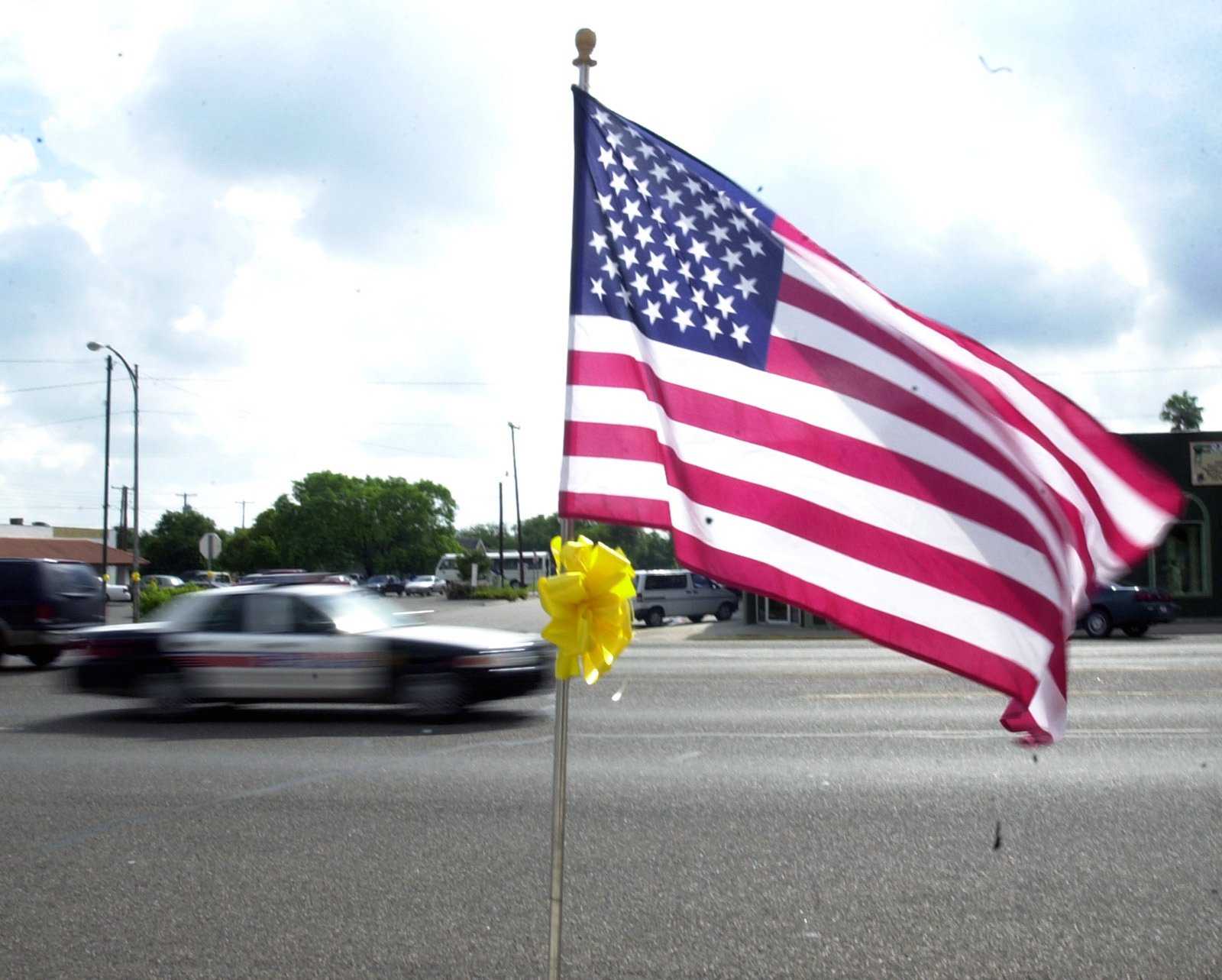
Communities rallied around the memories of their fallen heroes. From caskets draped in American flags to yellow ribbons tied around trees, tributes poured out for those who made the ultimate sacrifice. However, as time moved on, the tributes faded into the background, with many forgetting the stories behind the names etched on memorials.
The Lasting Impact in the Valley
The the anniversary of September 11 holds poignant significance even two decades later, particularly for military veterans who navigate the complex feelings surrounding their service. Jose Angel Villalon’s death in Afghanistan signifies a continued toll on a local community still processing its grief. Veterans who served in both past and present conflicts reflect on their experiences, emphasizing the importance of understanding the implications of entering into conflict.
Rogelio Aleman, a specialist in the Army, expressed how the events surrounding 9/11 impacted him personally and his understanding of the military’s role. Veterans like Victor Torres echo the sentiment, underscoring the necessity of having clear objectives in warfare.
Learning from the Past
For many veterans and residents alike, the fear of future conflict looms large, especially for the next generation. Jose Trevino, a Marine corporal who served in Iraq, articulates the greatest concern—hopes that children do not have to inherit the struggles wrought by wars with uncertain purposes.
Conclusion
As we gather to remember the 20th anniversary of the 9/11 attacks, it becomes imperative to reflect on the sacrifices made and lessons learned. Recognizing the profound impact on the Rio Grande Valley and beyond is not merely an act of remembrance; it sets the stage for future generations to learn from history. Understanding how fear and conflict shaped lives over the past two decades can help build a more informed and compassionate society, one that values peace over war.
By paying homage to the past, we pave the way towards a brighter future, ensuring that the lessons learned are not lost to time.
