


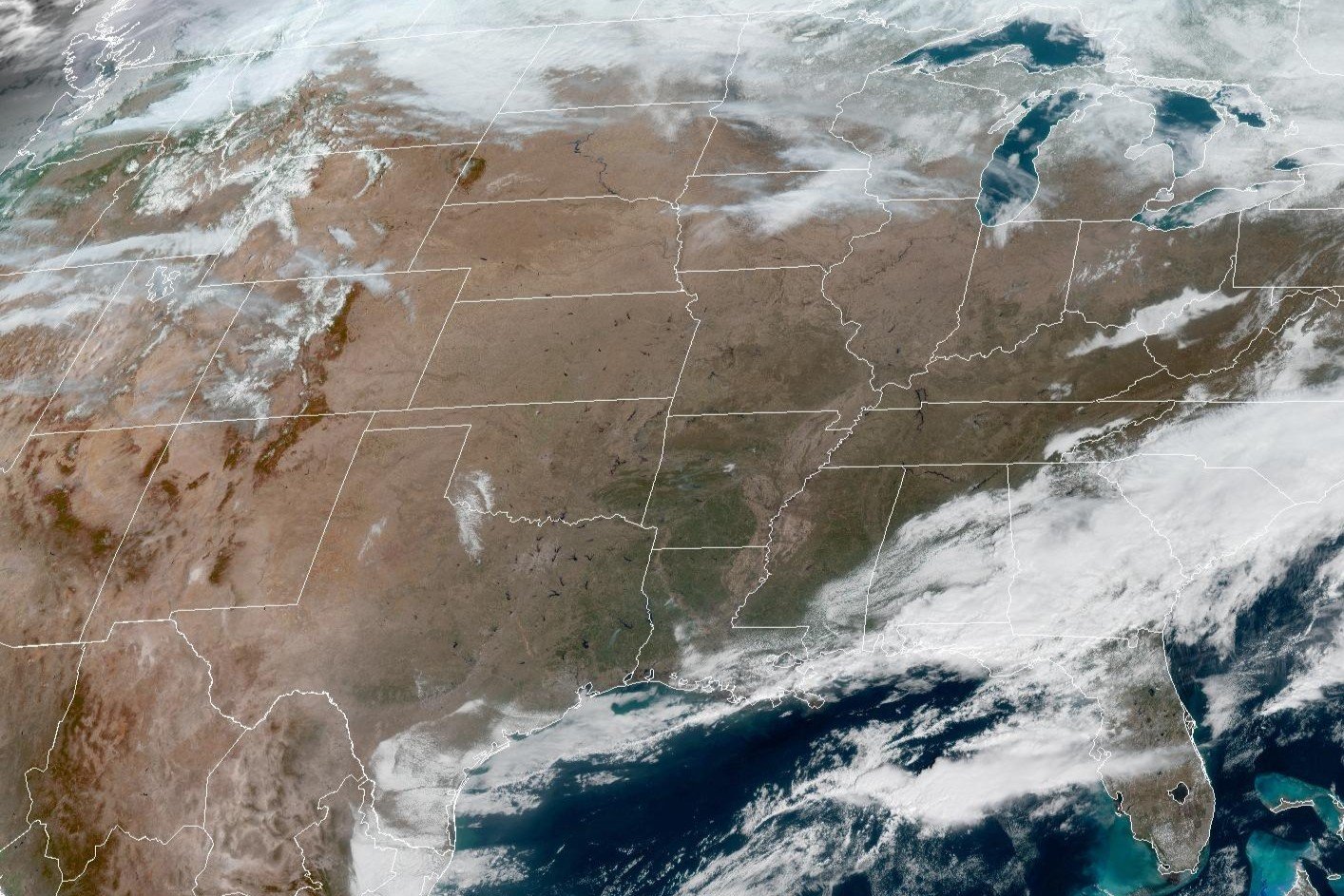
Record-Breaking Temperatures Surge in the Rio Grande Valley
The Rio Grande Valley recently experienced an extraordinary heat wave, with thermometers soaring into triple-digit territory, breaking long-standing daily records. La Puerta, a small community in the region, marked a staggering temperature of 104 degrees Fahrenheit, establishing it as the hottest temperature recorded in the United States during meteorological winter, which spans from December to February.
Historical Context of La Puerta’s Record
La Puerta’s reading matched a historical figure from Rio Grande City, which recorded a similar temperature of 104 degrees back in 1902. However, that reading was regarded as unofficial. If La Puerta’s temperature on Thursday receives verification, it will officially represent the highest temperature ever documented in the United States during meteorological winter.
New Record Set at Falcon Dam
On the following day, Friday, the National Weather Service office in Brownsville reported an even higher temperature of 106 degrees Fahrenheit at Falcon Dam. This record-breaking observation will secure its position as the hottest meteorological winter temperature ever recorded in the nation, pending further verification of the reading.
Additional Record Highs Across Texas
La Puerta and Falcon Dam were not alone in this heat surge. Several towns across Central and South Texas also set new daily records. Notably, McAllen recorded a temperature of 100 degrees, surpassing its previous record of 97 degrees set on February 26, 1962. Similarly, San Antonio experienced a high of 95 degrees, breaking the earlier record of 91 degrees from both 1954 and 1917.
Weather Patterns Behind the Heat Surge
The unusual warmth sweeping across Central and South Texas was attributed to a shift in winds from the south and southwest. This change occurred just ahead of an incoming cold front and a dry line that separated dry and humid air masses. High atmospheric pressure over northern Mexico, coupled with this southwesterly flow, ushered in hot and dry air from Mexico, setting the stage for this record-breaking heatwave.
Additionally, as this warm air descended from the higher terrains of Mexico and the Edwards Plateau, it underwent a phenomenon known as compressional heating. This occurs when descending air is squeezed and simultaneously warmed. The combination of this heating effect, dry conditions, and abundant sunshine culminated in extreme heat across South Texas.
Future Forecast and More Records on the Horizon
Looking ahead, high pressure is expected to dominate the weather throughout the weekend, with additional record heat anticipated, especially in the desert Southwest. According to the National Weather Service, over 75 record high temperatures could be at risk of breaking across regions from Southern California through Arizona and into New Mexico and Texas.
In Central Texas, residents can anticipate high temperatures reaching the 80s from Friday through the end of next week, further extending this uncharacteristically warm stretch.
Conclusion
The extraordinary heat wave gripping the Rio Grande Valley and surrounding areas not only highlights the power of meteorological phenomena but also raises awareness about the evolving climate patterns. For those interested in knowing more about significant temperature records, check out resources from the National Oceanic and Atmospheric Administration and National Weather Service.
This impactful weather event serves as a reminder to stay informed and prepared for future climatic changes.
